
Deep Dive
来自我们记者的行业洞察
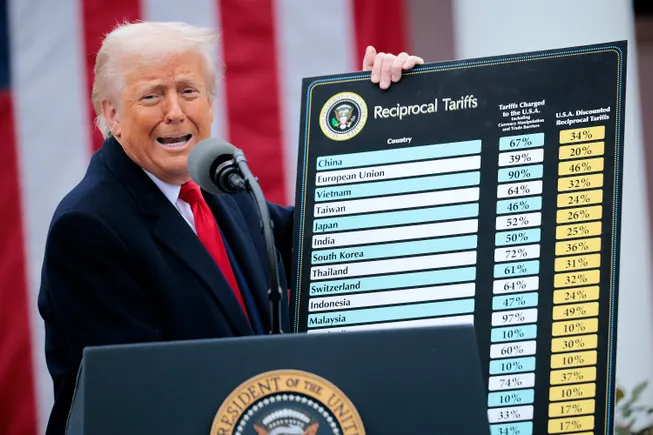
Convenience store executives take tariff impact in stride, but experts say risks should not be underestimated
President Trump's sweeping import tariffs have faced legal setbacks, but an appellate court has allowed them to continue. In the convenience store industry, CEOs of companies such as Murphy USA and Arko Corp. stated during earnings calls that they would not adjust their financial guidance, believing they are well positioned; former EG America CEO John Carey also said tariffs would not pose a challenge. However, industry experts point out that tariffs on Canadian crude oil could push up gasoline prices, while tariffs on cement and steel for construction will raise store-building costs, ultimately passing them on to consumers. Smaller retailers, due to their smaller procurement scale, may face a greater impact. Experts advise retailers to strengthen communication with suppliers and draw on supply chain management experience from the pandemic period.


Five Years After the Pandemic: Transformation and Reinvention of U.S. Manufacturing
Five years after the outbreak of the COVID-19 pandemic, U.S. manufacturing has undergone a journey from collapse to recovery, spurring fundamental changes in supply chain management, technology adoption, and workforce strategies. This article, based on multi-source data and corporate interviews, outlines the lasting impacts of the pandemic.
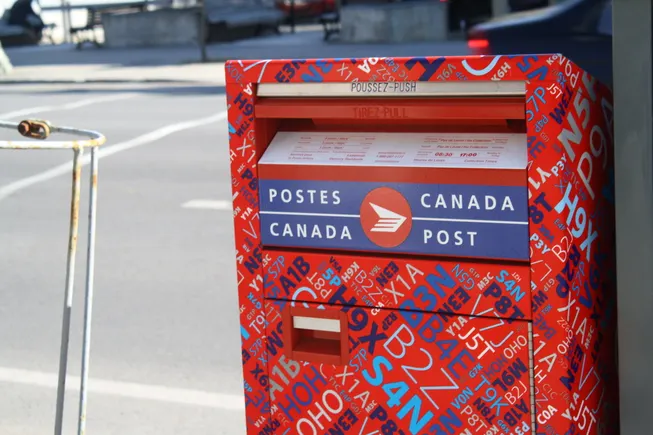
Canada Post Strike Risk Looms: How Shippers Can Minimize Disruption Impact
Negotiations for a new contract between Canada Post and the postal workers' union have reached an impasse, and if no agreement is reached by May 22, another strike could occur. Industry experts analyze that the impact of this disruption may be smaller than last year's peak season, but shippers still need to prepare alternative carrier options in advance, assess cost changes, and strengthen communication with customers.

Can Trump's tariffs reverse decades of decline in American manufacturing?
President Trump has repeatedly emphasized that tariffs will stimulate investment and job growth in American manufacturing, but economists and industry experts remain cautious. Although giants like Hyundai Motor and TSMC have announced massive investments, small and medium-sized enterprises are holding back due to policy uncertainty. Manufacturing's share of GDP fell from 16% in 1997 to 11% in 2021, and employment dropped from a peak of over 19 million in 1979 to approximately 12.8 million by March 2025. Experts believe tariffs may cause short-term disruptions, but long-term effects are constrained by cost structures, policy continuity, and structural economic changes.

Privatization of the U.S. Postal Service: How Will Prices, Coverage, and Services Change?
As the Trump administration explores reforming the financial woes of the U.S. Postal Service (USPS), the privatization issue has sparked widespread discussion. Industry experts told Supply Chain Dive that full privatization could lead the USPS to pursue more rate increases, reduce service frequency, and build an operational network more similar to FedEx and UPS. This move has faced opposition from postal employees and members of Congress, who worry about impacts on rural services, higher prices, and threats to jobs.
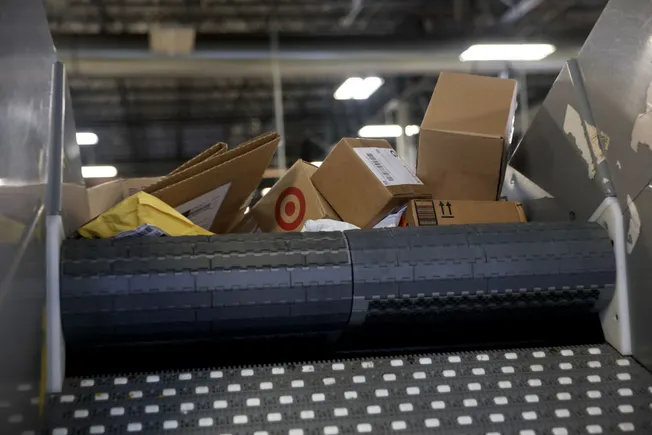
Can Postal Consolidators Seize Opportunities Amid Market 'Chaos'?
The United States Postal Service announced two major reforms in 2024, involving consolidators' use of the postal network and lightweight parcel pricing, raising industry concerns about service levels and costs. Now, leading consolidators such as DHL eCommerce, OSM Worldwide, and ACI Logistix have adapted to the new rules and are seeking growth in 2025, including testing other carriers and expanding heavier parcel operations. Market 'chaos' is seen as an opportunity, but the reliability of the postal network remains a concern.
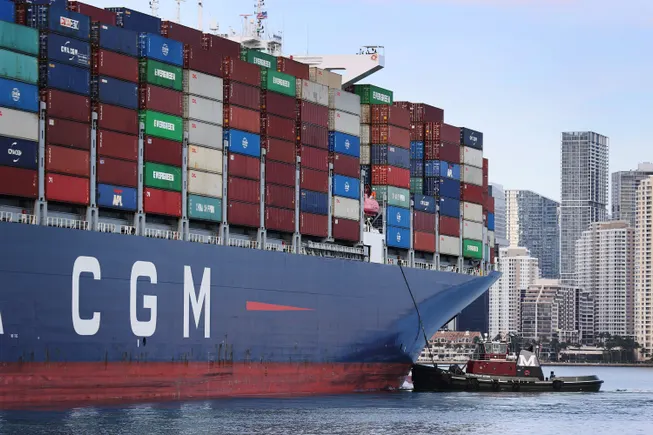
2025 Logistics Risk Outlook: Tariffs and Labor Disputes as Key Variables
2025 logistics industry risk checklist: tariff policies, labor negotiations, capacity bottlenecks, and freight rate volatility intertwined. From ILA-USMX contract approval to Canada Post strike threats, all transportation modes are under pressure. Experts advise shippers to prepare data in advance, diversify channels, and secure capacity.
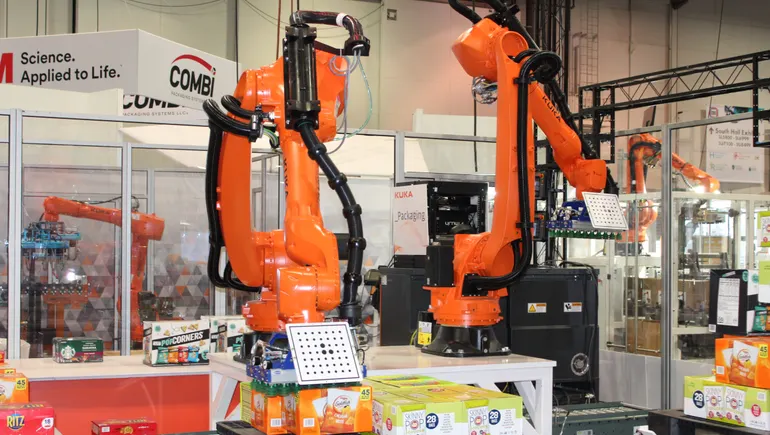
Why E-commerce Packaging Favors Square Shapes: From Robot Adaptation to Sustainability Considerations
With the increasing demands for automation and sustainability in e-commerce logistics, square rigid packaging (such as cartons) highlights advantages in transportation, warehousing, and robotic picking. Brands are shifting from flexible packaging to square designs, while needing to balance consumer perceptions of packaging changes. This article synthesizes expert opinions and industry reports to explore the driving factors, challenges, and future directions of the 'square-ization' trend.

Trump Renews Tariff Threats: How Should Businesses Prepare?
After winning the 2024 election, Trump quickly reiterated his tariff plans, proposing high tariffs on goods from Mexico, Canada, and China. Facing a potential new wave of trade barriers, manufacturers and retailers are actively responding by stocking up in advance, adjusting sourcing origins, and strengthening supply chain transparency. Experts note that these strategies each have limitations, and companies need to develop long-term plans based on their own circumstances.