
Risk
What off-price retailers are saying about tariff refunds
As U.S. Customs returns refunds for the invalidated IEEPA tariffs, discount retailers like Burlington, TJX, and Ross have received billions of dollars in refunds. Company executives detailed the refund amounts, intended uses, and impacts on pricing strategies during earnings calls. Burlington plans to reinvest approximately $55 million in refunds to enhance customer value, TJX will allocate part of the refunds to employee bonuses, while Ross maintains steady pricing and expects a slight increase in AUR in the second half of the year.
Bath & Body Works rethinks promotional inventory purchases
Bath & Body Works stated during its second-quarter earnings call that it has reduced the level of clearance inventory entering the mid-year promotional season and plans to lower the priority of promotional activities in the second half of the year, instead relying on brand marketing and product innovation to drive growth.
Cotopaxi repays workers at Taiwan mills for predatory recruitment fees
After discovering predatory recruitment practices linked to forced labor indicators at its two fabric suppliers in Taiwan in 2024, Cotopaxi has refunded recruitment fees to affected workers in proportion to the brand's production volume. The company is driving remediation from systemic and policy levels through industry collaboration, policy advocacy, and supplier audits.
Sapporo USA to close craft brewing facilities following sale
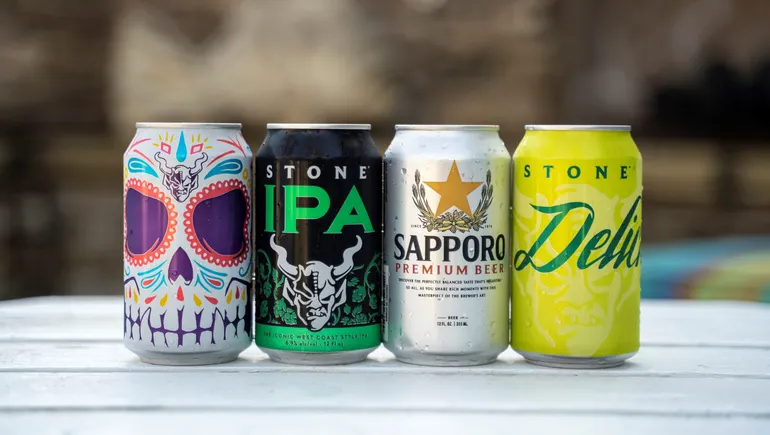
After selling the Stone Brewing brand to Firestone Walker, Sapporo USA announced the closure of three brewing facilities in Escondido, California, and expects to lay off about 220 employees. This move stems from the decline in the craft beer market and the company's strategic adjustment, with all U.S. brewing operations to be consolidated at the Richmond, Virginia plant.
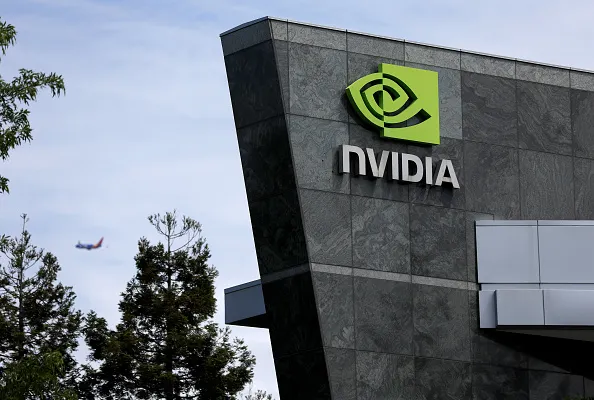
Nvidia says supply shortages are limiting AI revenue growth
Nvidia said on its August 26 earnings call that supply shortages are constraining revenue growth in its AI business, affecting areas including high-bandwidth memory, silicon wafers, and the AI data center supply chain. The company has secured enough supply to support 70% year-over-year growth in fiscal 2028, but it still falls short of demand.
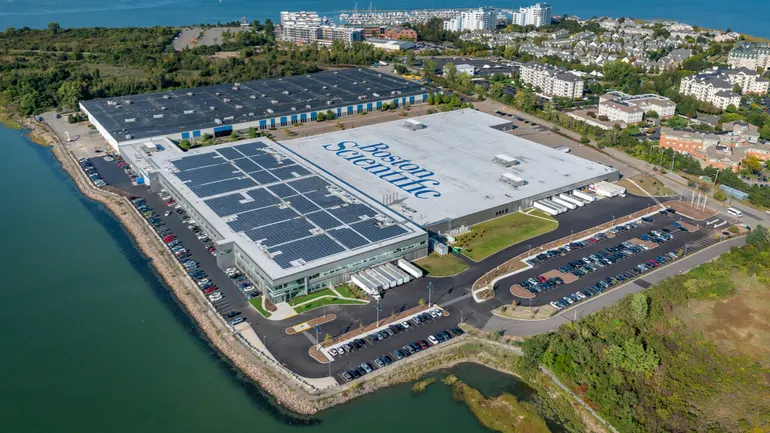
Boston Scientific’s ordering, shipping disrupted in cyberattack
Boston Scientific disclosed on Wednesday that a cyberattack has affected its ability to process and ship customer orders. The company has filed with the U.S. Securities and Exchange Commission and activated its emergency response.
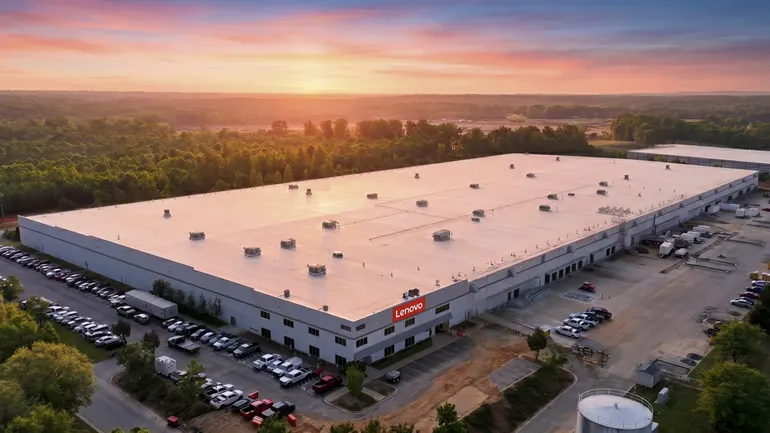
Lenovo ramps up regional manufacturing amid chip shortage, tariff risks
Over the past two years, Lenovo Group has continuously expanded its global manufacturing network, using regional production to reduce tariff and geopolitical risks and enhance supply chain resilience. Its latest initiatives include opening a factory in Riyadh, Saudi Arabia, to serve the Middle East and Africa markets, and doubling production capacity at its North Carolina plant in the US. However, the AI data center boom has driven up demand for semiconductors such as memory, causing lead times for some server components to approach one year. Lenovo faces severe order backlogs, with its AI server pipeline orders reaching $54 billion.
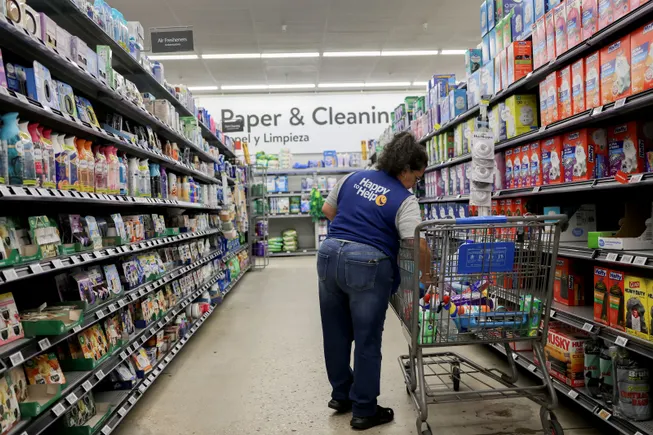
How big box retailers are using tariff refunds
Several major U.S. retailers have begun receiving refunds from IEEPA tariffs invalidated by the Supreme Court. Companies including Walmart, Target, Home Depot, and Lowe's have received significantly different refund amounts, and the uses of these funds vary—from price-cut investments and cost reductions to offsetting operational cost pressures. Chief financial officers at each company disclosed refund progress and future plans in their latest earnings calls.
BJ's Wholesale Club 计划削减约20% SKU,聚焦品类精简与库存健康
BJ's Wholesale Club 总裁兼CEO Robert Eddy 在8月21日的财报电话会议上表示,公司计划在未来几年内将SKU数量削减约20%,从平均7500个降至6000至6500个。此举旨在减少“不必要的选择”,同时通过新增产品和空白品类来提升销售与利润。
Deere expects ‘step-up’ in tariff costs in 2027
Deere & Company confirmed $110 million in tariff refunds in the third quarter of fiscal 2026, bringing cumulative refunds to $382 million, but expects no further refunds this fiscal year. The company projects tariff expenses will approach $1 billion in 2027, an increase from this year.