
Operations

Chobani to spend $1.2B to buy and invest in Pennsylvania plant
Chobani plans to invest $1.2 billion to acquire and expand a plant in Allentown, Pennsylvania, formerly owned by Keurig Dr Pepper, with a transaction amount of $125 million. The new plant will produce high-protein, low-sugar milk and support the company's new product development. This move is part of Chobani's over $4 billion investment in U.S. manufacturing network, with the company achieving an annual growth rate of 20% over the past three years.
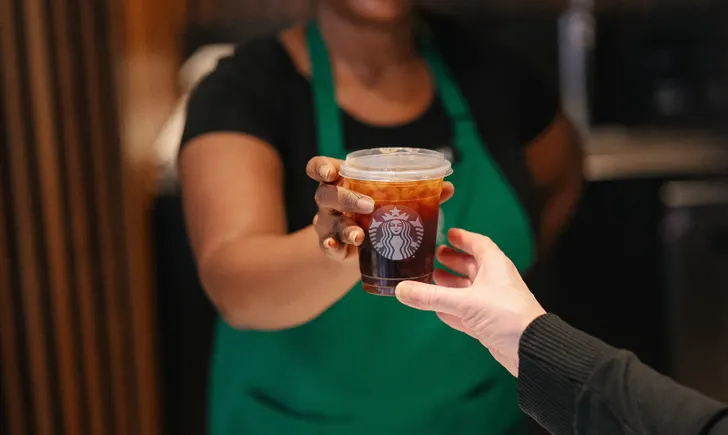
Starbucks hires Nike veteran to lead supply chain operations
Starbucks confirmed that Andrew Konah will assume the role of Senior Vice President of Supply Chain Operations on August 24. Konah previously worked at Nike for over nine years, holding positions including Vice President of Global Supply Chain and Planning Operations. Starbucks is enhancing supply chain efficiency through technology and process optimization, including testing a 24-hour replenishment model, and has experimented with AI inventory tools that did not meet expectations.
Suntory Global Spirits Appoints Manuel Cabañas as Next Chief Supply Chain Officer
On August 25, Suntory Global Spirits announced that Manuel Cabañas, currently Vice President of Global Manufacturing, will be promoted to Senior Vice President and Chief Supply Chain Officer, effective September 4. He will lead the global supply chain organization for brands including Jim Beam and Maker's Mark, reporting to President and CEO Greg Hughes. His predecessor, Alex Alvarez, will move to Constellation Brands' beer division.
Constellation Brands appoints Alex Alvarez as head of supply chain for beer division
Constellation Brands announced on August 25 that Alex Alvarez will assume the role of Senior Vice President and Chief Supply Chain Officer of the beer division starting September 14, succeeding John Kester, who plans to retire in November. Alvarez brings over 30 years of experience in operations and supply chain management, having previously held a similar position at Suntory Global Spirits.
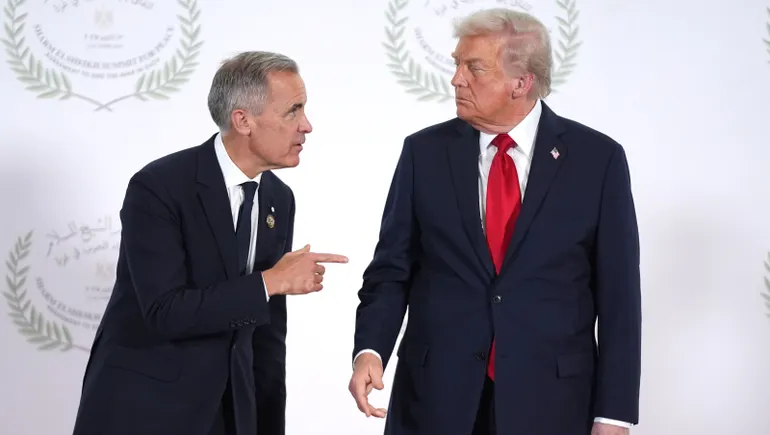
Canada to Impose Retaliatory Tariffs of Up to 50% on US Goods
Canada confirmed retaliatory tariffs of up to 50% on US imports, effective Sept. 8, targeting steel, dairy, appliances, agricultural equipment, electronics, seafood, and pulp and paper. The move mirrors US Section 338 and 232 duties and includes a $7.5 billion support package for affected businesses.
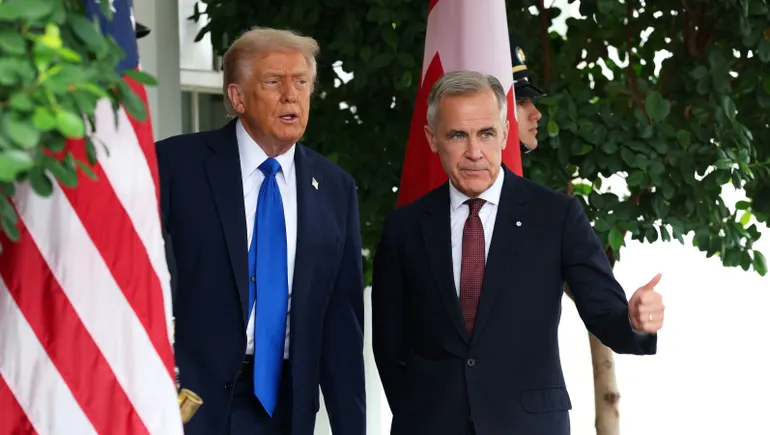
Trump Announces 50% Tariffs on Canadian Vehicles, Auto Parts, and Steel
U.S. President Donald Trump announced a new round of tariffs on Canadian imports, including a 50% levy on cars, trucks, auto parts, and steel, set to take effect Jan. 1. The announcement follows the collapse of trade negotiations last week, with Canada vowing retaliatory measures.
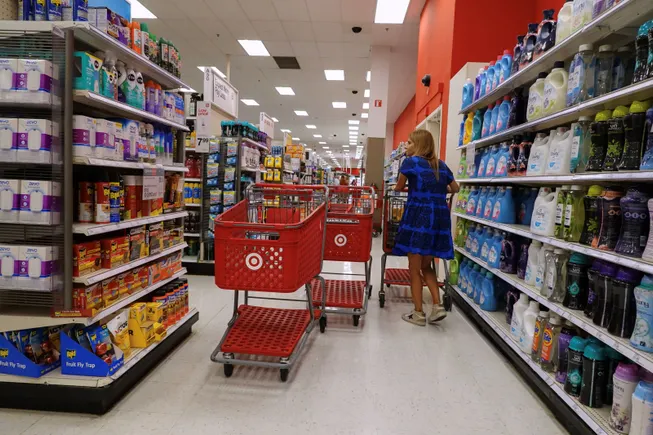
Target's inventory availability reaches its best in recent years, transformation plan progresses steadily
During its second-quarter earnings call, Target stated that inventory availability for its most frequently purchased products has reached its strongest level in recent years, thanks to collaborative improvements across supply chain, merchandising, and store teams, as well as the support of digital tools such as Proxima.
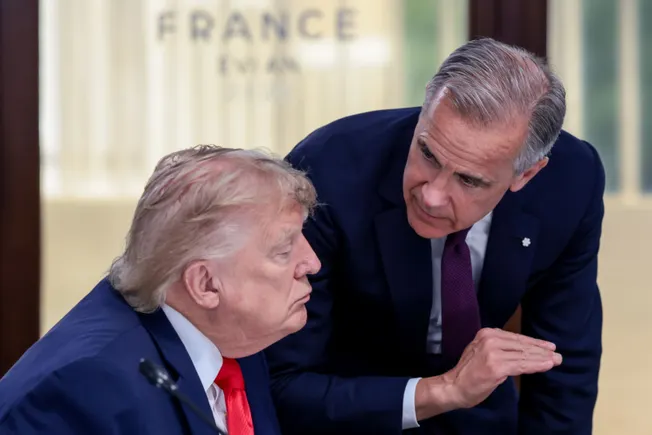
US-Canada Talks Collapse, Triggering 50% Tariffs on Canadian Imports
The U.S. and Canada failed to reach a deal on Friday, activating 50% tariffs on $20 billion of Canadian imports. Canada suspended negotiations and will impose matching tariffs from Sept. 8, escalating trade tensions between the two North American economies.

Ford to End U.S. Imports of China-Built Lincoln Models, Shift Production Stateside
Ford Motor Co. announced it will stop importing China-built Lincoln models into the U.S., including the Nautilus SUV, as part of a strategy to reduce tariff exposure and comply with the Connected Vehicles Rule. The company plans to increase U.S. production of Lincoln vehicles from 2030, potentially creating thousands of jobs.
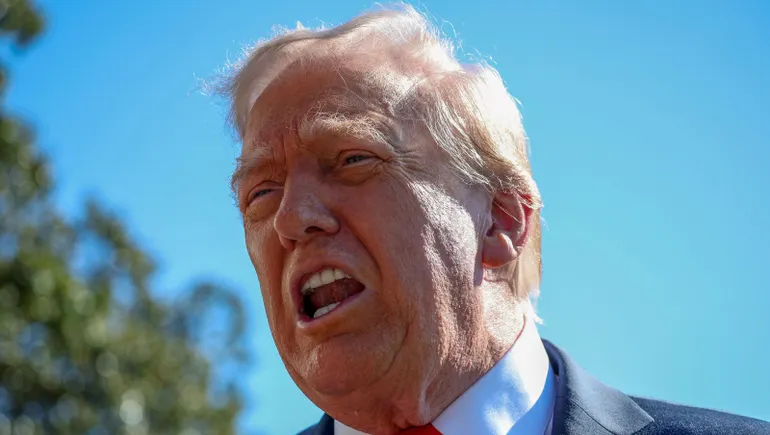
Trump's Tariff Toolkit: Legal Avenues Beyond IEEPA Face Supreme Court Test
President Donald Trump's aggressive use of the International Emergency Economic Powers Act (IEEPA) to impose country-specific tariffs faces Supreme Court scrutiny next month. Two federal courts have ruled such actions illegal, prompting appeals. This article explores alternative legal tools—Sections 232, 301, 338, 201, and 122 of various trade acts—that Trump could deploy regardless of the Court's decision, with insights from trade attorneys on their viability and procedural requirements.