
Ford to End U.S. Imports of China-Built Lincoln Models, Shift Production Stateside
Ford Motor Co. announced it will stop importing China-built Lincoln models into the U.S., including the Nautilus SUV, as part of a strategy to reduce tariff exposure and comply with the Connected Vehicles Rule. The company plans to increase U.S. production of Lincoln vehicles from 2030, potentially creating thousands of jobs.
Dive Brief:
- Ford Motor Co. has announced it will phase out imports of Lincoln brand vehicles from China to the U.S., a move aimed at reducing exposure to tariffs.
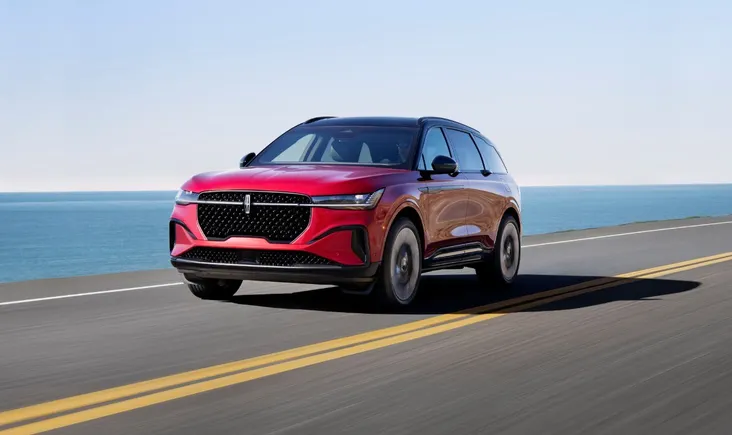
- China-built Lincoln models include the midsize Nautilus SUV, currently assembled exclusively in China by Changan Ford, a 50/50 joint venture between Ford and Changan Automobile. Vehicle imports from China currently face a tariff rate of 52.5%.
- The automaker also plans to increase U.S. production of its luxury brand vehicles starting in 2030. Ford expects this shift to generate thousands of direct and indirect U.S. jobs.
Dive Insight:
Ford is adjusting its import strategy to navigate U.S. trade regulations, including tariffs, while reinforcing its domestic manufacturing ambitions.
The automaker and Changan Automobile established the Changan-Ford joint venture in 2012. The JV produces both Ford and Lincoln brand vehicles for the Chinese market. The JV factory in Hangzhou, which opened in 2015, currently builds the Lincoln Nautilus, Aviator, and Ford Explorer and Edge L SUVs, according to Ford’s website.
The Lincoln Navigator and Aviator SUVs are built in the U.S. and currently exported to global markets, including Canada, Mexico, and the Middle East. The Navigator is assembled at Ford’s Kentucky Truck Plant in Louisville, while the Aviator is produced at the automaker’s Chicago Assembly Plant.
Ford says it assembled over 2 million vehicles in the U.S. last year, more than any other OEM.
“Lincoln is a quintessentially American brand, and Ford is America’s automaker. This wasn’t necessarily the easiest path. In fact, it’s a path most of our competitors aren’t choosing to take,” Ford CEO and President Jim Farley said in a statement. “But Ford builds in America because we believe in America, and we’re betting on that belief again.”
Another factor driving Ford’s decision to phase out Lincoln production in China is the Connected Vehicles Rule, finalized in January 2025. The rule restricts the import and sale of cars equipped with connected-vehicle technology linked to China. The Department of Commerce cites potential security threats from external connectivity between Bluetooth, cellular, or satellite technology and autonomous driving platforms.
In June, electric vehicle maker Polestar announced it was abandoning the U.S. market after the Department of Commerce’s Bureau of Industry and Security did not grant authorization to sell vehicles from model year 2027 onward due to connected vehicle technology linked to China.
Ford’s announcement comes as domestic rival General Motors this month extended its SAIC-GM China joint venture partnership with SAIC Motor to 2047. The two automakers plan to increase focus on the Buick and Cadillac brands in China and intend to launch at least 30 new energy vehicles in the local market by 2030.
Earlier this year, GM confirmed to WardsAuto that it will shift production of the Buick Envision SUV from China to its Fairfax Assembly in Kansas City, Kansas, beginning in 2028. The current model is built at the SAIC-GM Jinqiao South plant in Shanghai and exported to the U.S.
Like the Lincoln Nautilus, the Envision has been subject to heavy U.S. tariffs, prompting GM to raise prices to maintain profitability. The 2026 Buick Envision now costs around $5,000 more than the previous model due to tariff-related price hikes.
Last month, Ford also announced it will enter a joint venture with China-based Geely Auto to build cars at Ford’s assembly plant in Valencia, Spain, for the European market. Ford will launch a new member of the Ford Bronco family plus a multi-energy crossover, while Geely-branded production will include two electric SUVs, with production starting in 2028.
Correction: A previous version of this story said a model is built in the U.S., when it is not, in the second paragraph of the insight section. The sentence has been corrected with the right models.