
Canada Post Strike Risk Looms: How Shippers Can Minimize Disruption Impact
Negotiations for a new contract between Canada Post and the postal workers' union have reached an impasse, and if no agreement is reached by May 22, another strike could occur. Industry experts analyze that the impact of this disruption may be smaller than last year's peak season, but shippers still need to prepare alternative carrier options in advance, assess cost changes, and strengthen communication with customers.
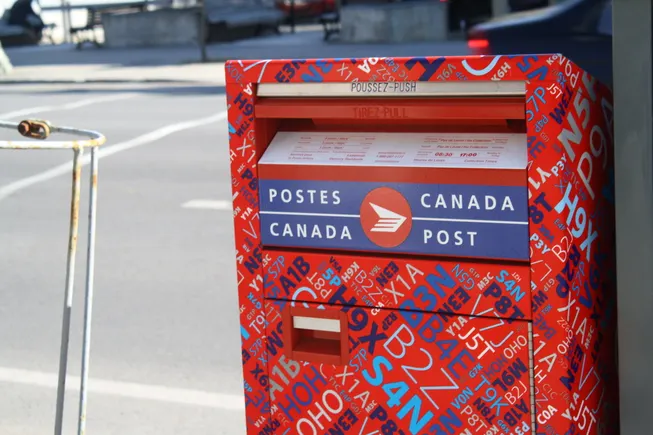
Canada's parcel delivery industry is bracing for a potential strike at Canada Post. If a strike occurs, shipping demand at other carriers could rise, and parcel delivery across the country could face delays.
The government-owned carrierwas shut down by a worker strike last year during the peak holiday season, disrupting delivery rhythms during the holiday period. The work stoppage lasted more than a month until the Canada Industrial Relations Board intervened,with operations resuming on December 17。
If the government-owned carrier and the Canadian Union of Postal Workers fail to reach a new long-term contract by next month, another disruption could occur soon.
The current agreement between the two parties is set to expire onMay 22. Canada Postsaid earlier this monththat a labor disruption could occur on or after that date, adding that it will work closely with customers to prepare for any potential impact.
"This is not news we wanted to share at this time," Canada Post said on April 3. "But we recognize how important it is to provide you with the information you need to make business decisions."
Here are three pressing questions shippers should consider as they develop plans to mitigate the impact of any disruption.
How are contract negotiations progressing?
So far this year, contract negotiations appear to have made limited progress,with both partiesreporting in early Marchthat talks had broken down. A key sticking point in the discussions is how to handle weekend delivery.
Canada Post says its goal is to establish a new part-time workforce for weekend delivery and to take steps to better align staffing levels with fluctuating volumes. The company argues these changes are necessary to help its delivery operations better compete.
"This is not news we wanted to share at this time. But we recognize how important it is to provide you with the information you need to make business decisions."

Canada Post
statement on April 3 regarding contract negotiations with the Canadian Union of Postal Workers
The Canadian Union of Postal Workers opposes such measures, saying the carrier should use full-time employees to run its operations wherever possible.
"This kind of management flexibility comes entirely at the expense of workers, who must bear the cost of unstable hours resulting from changes in consumer demand," the union said ina March analysis report on weekend staffing. "This instability puts pressure on workers."
The Industrial Inquiry Commission, established by the government to review Canada Post issues, will submit a report and recommendations to the federal Labour Minister by May 15 on how the ongoing contract dispute might be resolved. Although this is a week before a strike could occur, experts are skeptical that the two sides can reach an agreement by the deadline and avoid a strike.
"The likelihood of a strike—which could happen as early as May 22—is very high," said Alison Layfield, director of product development at ePost Global. "Many in our industry are already preparing for it."
How would a strike disrupt delivery?
According to Imtiaz Kermali, vice president of sales and marketing at eShipper, Canada Post is often the preferred choice for direct-to-consumer shippers because of its national coverage and lack of residential surcharges. The carrier is also an important resource for other delivery services, with many handing off parcels destined for rural addresses to Canada Post.
Without access to these capabilities, during last year's peak season, many Canada Post shippers scrambled to shift volumes to alternative carriers. Carriers implemented a range of restrictions to help manage the influx of parcels into their networks, from suspending services to limiting pickup and delivery volumes.
However, experts say that if a strike occurs at the end of May, it could be less disruptive than last year's stoppage. According to Maggie Barnett, CEO of LVK Logistics, a fulfillment service operating in Canada and the U.S., e-commerce sales and shipping volumes are currently weak due to tariff uncertainty, leaving ample capacity.
"Disruptions will still happen. But it won't be seven to eight days of delays; we might see certain items delayed three to four days, and pickup times from fulfillment centers could be longer," Barnett said.
Other Canadian parcel carriers told Supply Chain Dive in email statements that their networks are prepared for any disruption a strike might cause.
FedEx said it has plans in place to maintain reliable service for its customers even if demand increases. Purolator, another delivery service, said it is incorporating lessons learned from the last Canada Post strike into its contingency plans and stated it will ensure robust service for existing customers. Neither carrier provided further details on the contents of its contingency plans.

According to Kermali, even though FedEx and Purolator say they are prepared, that does not mean they will open their doors to every shipper seeking temporary solutions during a strike. He added that preparing networks for a surge in volumes requires significant resources, and if service quality is affected to accommodate more parcels, it could upset major customers.
"Carriers want to avoid that because it's not good if service for their premium customers is also affected by volumes that surge in and then flow out," said Kermali of eShipper. "So businesses need to be prepared and ensure they have a network-ready plan."
How should shippers prepare?
Experts say that if a strike occurs, shippers need to have alternatives ready, whether through direct carrier agreements or through third-party services that connect them with other delivery options.
They should also consider how using other carriers might affect their shipping costs or delivery reach. Barnett said shippers using letter mail or shipping to rural addresses could see particularly high price increases during the transition period.
Transparent customer communication about potential delivery disruptions and options for avoiding delays is another important aspect of contingency planning.
For example, Layfield of ePost Global said that if a company uses Canada Post for standard delivery and a private carrier for expedited shipping, it could recommend the expedited option to ensure customers receive orders on time. She added that businesses could ask customers using post office boxes to provide alternative addresses to avoid any strike disruptions.
"If those customers using post office boxes can provide a physical street address instead of a post office box, then their parcel delivery wouldn't necessarily face disruptions or delays," Layfield said.