
Deep Dive
来自我们记者的行业洞察
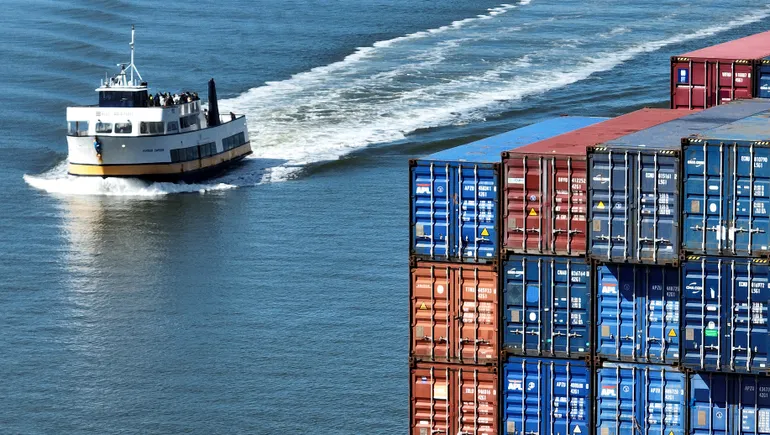
Five Paths for Fashion Brands to Reshape Supply Chain Strategy
Supply chain disruptions have become the norm in the fashion industry, and how companies address labor issues, extreme weather, and trade disputes will determine success or failure over the next decade. Experts recommend building a more resilient supply chain system by enhancing flexibility, early delivery, deploying digital twins, advancing nearshoring, and implementing a comprehensive reset.

EU New Regulations Reshape Fashion Supply Chain: American Brands Face Compliance Pressure
The EU is about to implement a series of stringent supply chain regulations, requiring companies to disclose environmental and labor data and assume corresponding responsibilities. American fashion brands with operations in the EU market will find it difficult to avoid the changes brought by these new rules.
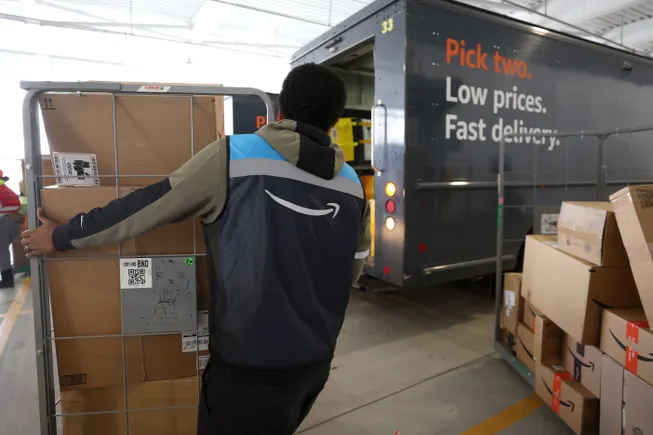
Amazon Logistics Resumes Ground Delivery Service, Potentially Reshaping the Parcel Delivery Industry
Amazon has officially restarted its Amazon Shipping service, offering ground delivery for non-Amazon channel orders to platform sellers, with delivery times of 2-5 business days. Industry experts point out that the service may attract small and medium-sized enterprises due to its transparent pricing and efficient claims handling, but limited by the difficulty of expanding corporate clients, it is unlikely to shake the dominance of FedEx and UPS in the short term.
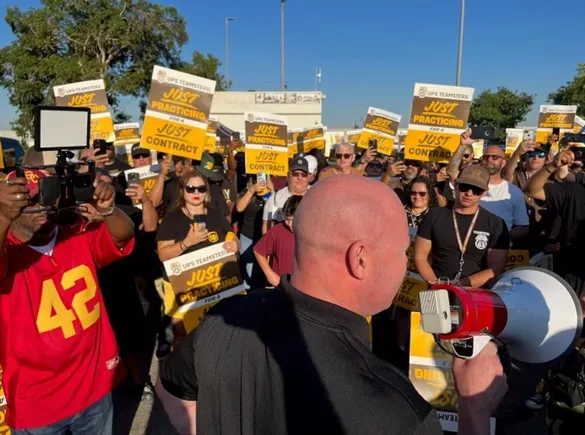
Supply Chain 'Hot Labor Summer': The Deep Reasons Behind Freight Turmoil
Recently, ongoing labor disputes in the transportation industry have brought uncertainty to the supply chain, prompting shippers to strengthen contingency plans. From disruptions at West Coast ports in the U.S. and Canada to conflicts between UPS and Yellow and the Teamsters union, labor disputes have become a recurring threat to the stable flow of goods. Workers demand higher wages and benefits to compensate for their efforts during the pandemic and to cope with inflationary pressures. This article analyzes the causes, impacts, and shippers' responses to this round of 'hot labor summer'.

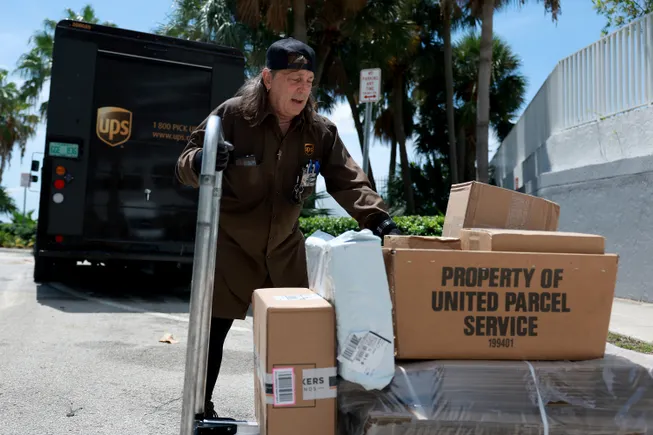
Why Some UPS Shippers Are Still Not Diverting Volume Amid Potential Strike Shadow
The contract between UPS and the Teamsters union expires at the end of this month, and if no agreement is reached, the union plans to strike on August 1. However, some shippers have not diverted volume as a result. Experts point out that company size, carrier mix, contract terms, and confidence in negotiation outcomes collectively influence this decision. Meanwhile, other companies have activated contingency plans, mitigating potential impact through diversified carrier arrangements.

UPS Strike Risk Rises: How Should Shippers Prepare?
Labor negotiations between UPS and the Teamsters union have reached an impasse, raising the likelihood of a strike. Experts point out that shippers should quickly establish backup carrier plans to spread risk, in preparation for a possible strike after the contract expires on July 31.
Delivery speed continues to improve, but limited room for further optimization
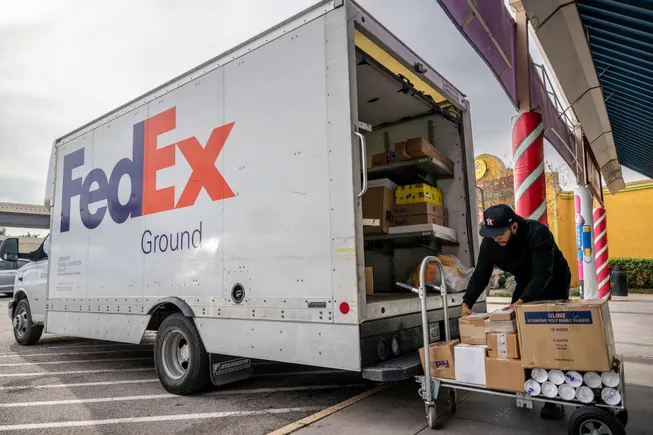
Delivery speed continues to improve, but further acceleration faces challenges. project44 data shows that the average delivery time in April 2023 dropped to 4 days, significantly shorter than the 5.6 days in the same period in 2022. However, cost pressures, difficulty in demand forecasting, and higher consumer expectations for accuracy may make it difficult for delivery speed to continue improving significantly.

AI Opens New Frontiers in Supply Chain Planning
The pandemic and inflation disrupted traditional forecasting models, causing major global companies to accumulate massive inventory backlogs as consumer behavior deviated from expectations. Consulting firm FTI Consulting, software vendor BlueYonder, and several industry experts point out that companies are moving from spreadsheets to AI and machine learning to process vast amounts of internal and external data and reduce human bias. However, data quality and scenario fit remain core challenges, with some companies still believing historical trends are the most reliable basis for forecasting.
After the Inventory Tide Recedes: Retailers' Next Move
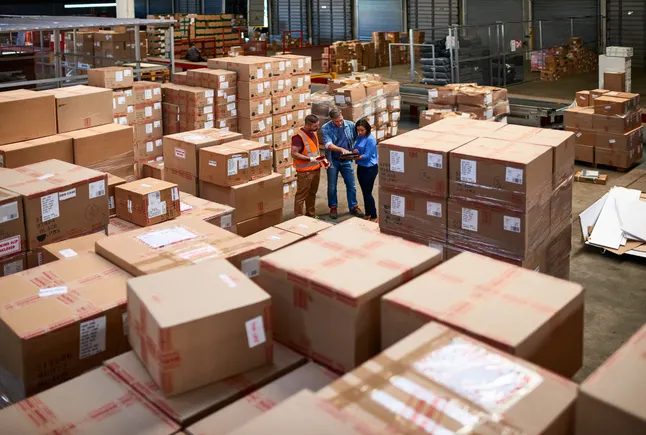
After experiencing supply shortages in 2020-2021, the retail industry fell into an inventory glut in 2022. Although the inventory peak has passed, levels remain elevated. Improved supply chains accelerated the arrival of goods but exacerbated on-book inventory pressure. Retailers are shifting toward leaner inventory strategies, prioritizing cost and margin protection.