
UPS Strike Risk Rises: How Should Shippers Prepare?
Labor negotiations between UPS and the Teamsters union have reached an impasse, raising the likelihood of a strike. Experts point out that shippers should quickly establish backup carrier plans to spread risk, in preparation for a possible strike after the contract expires on July 31.
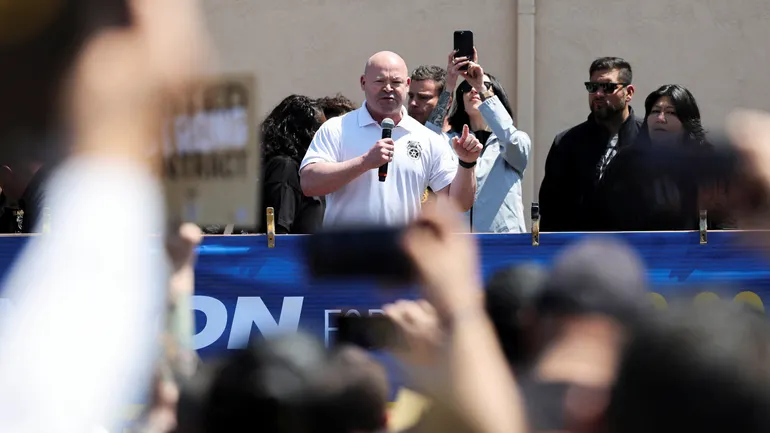
"Imminent." "Inevitable." "This is just the beginning."
The International Brotherhood of Teamsters is increasing pressure on UPS as the two sides try to reach a tentative agreement before the current five-year national contract expires on July 31. Economic terms such as pay and benefits remain obstacles in negotiations, and the union says it will strike on August 1 if no deal is reached by then.
"Chin straps are fastened," the Teamsters said last Friday onsocial media, "and rank-and-file members are ready to strike."
In recent interviews with Supply Chain Dive, logistics and labor experts said that although the union is demandingaccelerated negotiations, a strike is not a foregone conclusion, but the likelihood is rising. Progress will depend on whether both sides are willing to adjust their economic proposals.
"It's like a game of chicken — who blinks first?" said Trevor Outman, founder of Shipware, referring to the negotiations. "UPS wants a revenue-neutral or cost-neutral deal. In other words, they don't want to pay a penny more than they do now. Obviously, that's not going to work for the Teamsters."
If the impasse continues and leads to a strike, the U.S. supply chain will face severe disruptions. The current contract covers approximately330,000 UPS employees, including delivery drivers and package handlers, who help the company deliver millions of packages daily.
Experts point out that the most vulnerable UPS shippers are those without alternative carriers to divert packages. If shippers lack sufficient volume and financial strength to prompt other carriers to free up network space at the last minute, the situation becomes more difficult.
"If I were a logistics professional currently managing UPS operations, I would do everything possible in the coming weeks to secure backup plans and ensure there's a way to get packages to customers," Outman said.
Timing favors the union
In labor contract negotiations, timing is crucial, and in this round, the timing favors the Teamsters.
Alan Amling, distinguished fellow at the University of Tennessee's Global Supply Chain Institute and former vice president of corporate strategy at UPS, said UPS benefited from surging demand and contract-locked wages during the COVID-19 pandemic, while competitors faced rising labor cost pressures.
"That works against you in negotiations because profits weren't shared with frontline employees," Amling said. "That's the union's position, and it's hard to argue against. It's just the facts."
Now, the bill has come due. The union is demanding significant wage increases in the new contract and called UPS's latest proposal "unacceptable”。
"After marathon negotiations, UPS refused to submit a final, best, and final offer to the union and informed the union that the company had nothing more to offer," the union said Wednesday.

Todd Vachon, assistant professor at Rutgers University's School of Management and Labor Relations, said the union'scontinued pushfor a "final offer" weeks before the contract expires is an attempt to break the impasse. If that offer is rejected by union members before the contract expires, the bargaining committee would have the opportunity to apply more pressure and seek better terms before a strike.
"It's a way of showing that they need more, otherwise members will vote down the agreement in a month and strike," Vachon said.
If the two sides remain deadlocked, external parties have limited influence over the contract negotiations.
Although Congress passed andPresident Joe Biden signedlegislation last year forcing railroad workers to accept labor agreements to avoid strikes or lockouts, UPS's situation is different. Because the company's employees are governed by the National Labor Relations Act rather than the Railway Labor Act, lawmakers have no authority to force striking UPS workers back to work, said Art Wheaton, director of labor studies at Cornell University's ILR School.
"Biden and the Biden administration have fewer tools to force the Teamsters to accept any contract terms," Wheaton said.
A diversified carrier mix will benefit shippers
Despite the pending contract negotiations, package volumes do not yet appear to have shifted significantly.
Competitor FedEx in Maydid not gain substantial benefits from the negotiations, although its executive vice president and chief customer officer Brie Carere said on a recent earnings call that it was having "in-depth conversations with traditional UPS customers."
But experts say that as the deadline approaches without a deal, UPS shippers will increase activity in diverting packages to other carriers. The question is how much UPS business other carriers can absorb — according to Pitney Bowes data, UPS accounted for 24% of U.S. parcel market volume last year.
As delivery demand has fallen from pandemic peaks, carriers typically have idle capacity. However, Michael Foy, director of business development at Inmar Intelligence, said FedEx and other carriers will limit the amount of diverted business they are willing to accept. For shippers that already have business with UPS competitors, capacity shifts will be easier.
"You can't suddenly start signing contracts in the next three weeks — it's nearly impossible," Foy said. "But if you're a retailer with 70% of your business at UPS, 10% at regional carriers, and 10% at the postal service, then you have more leverage."
In recent years, shippers have made progress in diversifying their carrier mix, partly to mitigate the risks of single-carrier disruptions and capacity constraints. According to a project44 report in May, the average number of last-mile carriers per company account in April was 5.52, up from 4.98 in the same period last year.
"If you rely on UPS for 99% of your deliveries and it's a week before the strike, your options are very limited," Foy said.
Editor's note: This article first appeared in our weekly logistics newsletter.Subscribe here。