
Deep Dive
来自我们记者的行业洞察
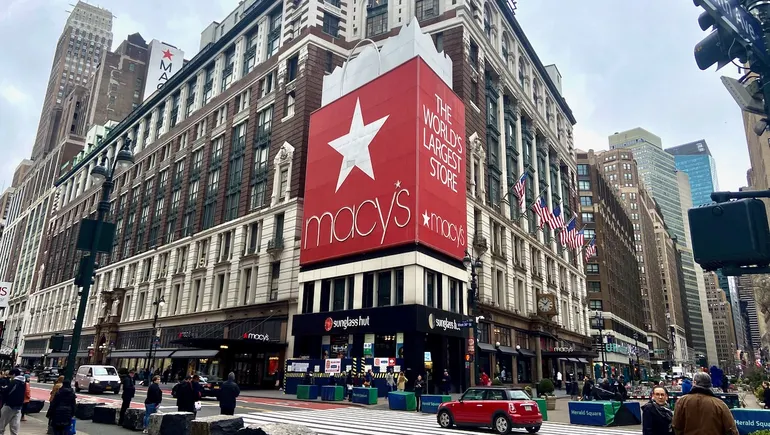

The McDonald's E. coli Incident: Supply Chain Risk Management and Crisis Response for Restaurant Chains and Suppliers
In late October 2024, McDonald's was forced to remove Quarter Pounder burgers from approximately 3,000 stores due to an E. coli outbreak, which sickened at least 90 people and resulted in one death. Regulators identified the source as onion slices from Taylor Farms. Drawing on insights from multiple industry experts, this article analyzes the mechanisms behind McDonald's rapid supply chain response, compliance and insurance strategies that suppliers and restaurants can adopt, and the strengths and weaknesses of the brand's crisis communication, providing a reference case for supply chain risk management in the food service industry.
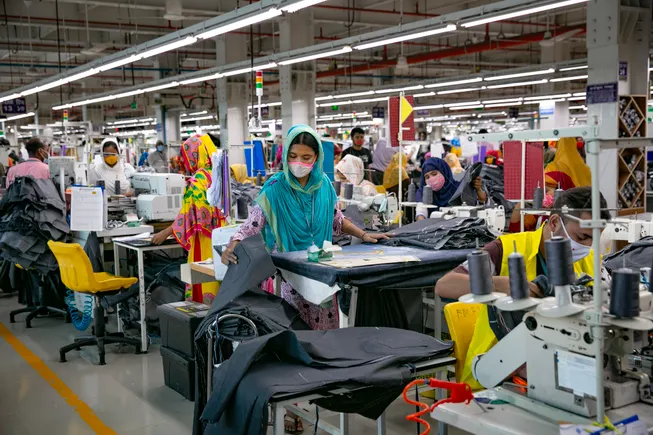
Why Apparel Companies Are Embracing Supplier Scorecards
Transparency has become a central issue in the fashion industry. Facing accusations of overproduction, human rights violations, and unethical sourcing, as well as consumer and regulatory demand for sustainable products, apparel companies are leveraging supplier scorecards to obtain standardized data for assessing suppliers' performance in quality, social responsibility, and environmental impact. Based on interviews with industry executives and scholars, this article analyzes the advantages, implementation essentials, and limitations of scorecards.
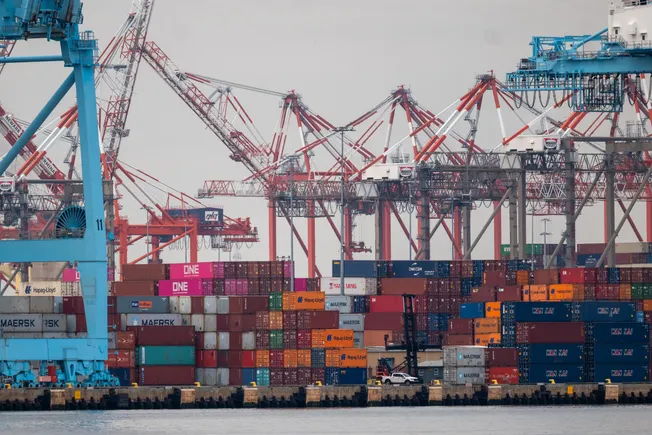
Guide to Coping with Port Strikes on the U.S. East and Gulf Coasts: How Shippers Can Prepare
The contract between the International Longshoremen's Association (ILA) and the United States Maritime Alliance (USMX) expires on September 30. If a strike occurs on October 1, operations at multiple East and Gulf Coast ports will be severely impacted. This article synthesizes expert insights from C.H. Robinson, Kuehne+Nagel, Geodis, CEVA Logistics, and others, providing key information on alternative ports, air freight feasibility, affected cargo categories, and action timelines to help shippers develop contingency plans during the final window.
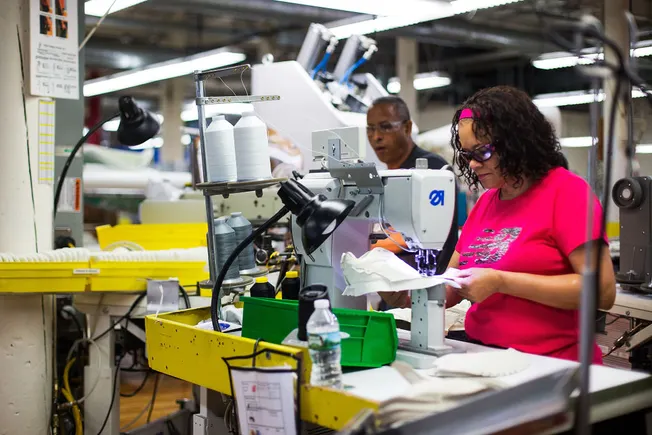
The De Minimis Rule: A Boost or a Barrier for U.S. Manufacturing?
The de minimis rule allows imported goods valued under $800 to enter duty-free. While this policy benefits Chinese e-commerce platforms like Temu and Shein, as well as the logistics industry, its impact on U.S. manufacturing varies by sector. Complex manufacturers such as auto parts are largely unaffected, but low-cost manufacturers like the textile industry view the rule as a serious competitive threat. As multiple reform bills are proposed, the positions of supporters and opponents are becoming clearer. Based on Federal Reserve data, industry organization statements, and legislative progress, this article analyzes the rule's actual impact on U.S. manufacturing.
Temu and Shein parcels flood delivery networks, can the surge continue?
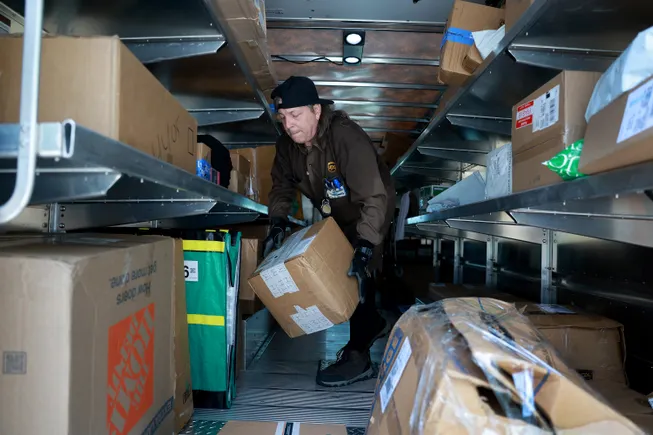
The rise of Temu and Shein has injected strong momentum into the U.S. parcel delivery market, with the two platforms providing carriers with approximately 900,000 parcels per day in July alone. However, as legislators scrutinize and customs enforcement tightens, the outlook for the duty-free policy is uncertain, and carriers and platforms must address the challenge of balancing costs and profits.
How Will Supply Chains Change If the De Minimis Exemption Ends?
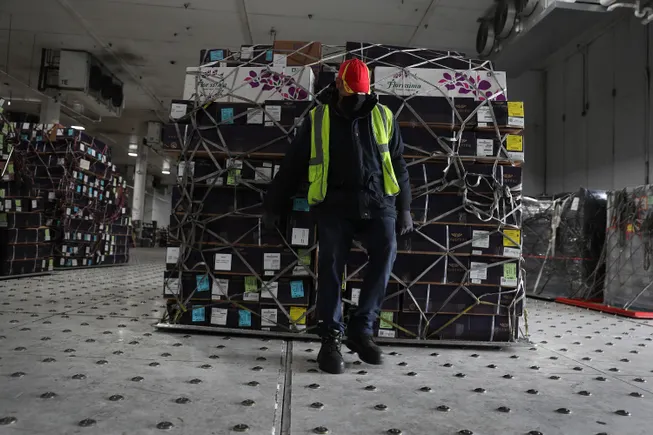
Since its establishment in 1938, the U.S. de minimis rule has undergone multiple adjustments, becoming a key pillar of cross-border e-commerce after being raised to $800 in 2016. However, amid growing concerns over Chinese influence and the smuggling of prohibited goods, the U.S. Congress and enforcement agencies are considering reforms. This article analyzes the rule's current status, stakeholder positions, and potential impacts, noting that supply chain adjustments will depend on consumer behavior and the form of policy implementation.
Potential Strike by Canadian Railway Workers Impacts Supply Chains: Industry Contingency Preparedness and Response Strategies
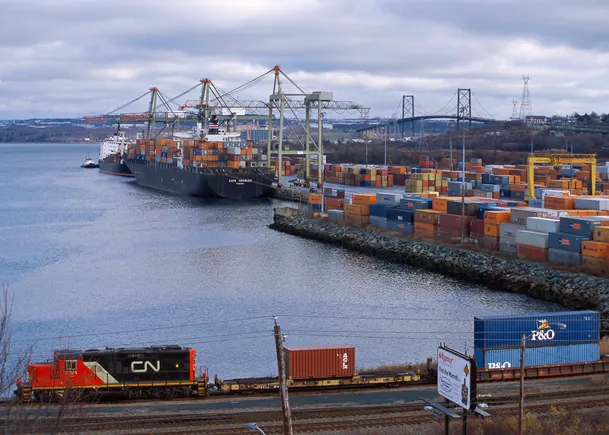
Negotiations between the Teamsters Canada Rail Conference and two major railway companies (Canadian National Railway and Canadian Pacific Kansas City) have reached an impasse, with nearly 10,000 workers potentially able to legally strike as early as after August 9. Should a strike occur, goods worth CAD 1 billion daily would face transport disruptions, impacting ports, trucking, and cross-border supply chains. Logistics firms such as C.H. Robinson, Maersk, and ITS Logistics have developed contingency plans, recommending that shippers prioritize critical cargo and consider switching to trucking or adjusting port entry points.
Red Sea Crisis Drives Up Shipping Prices: Analysis of Causes and Response Strategies
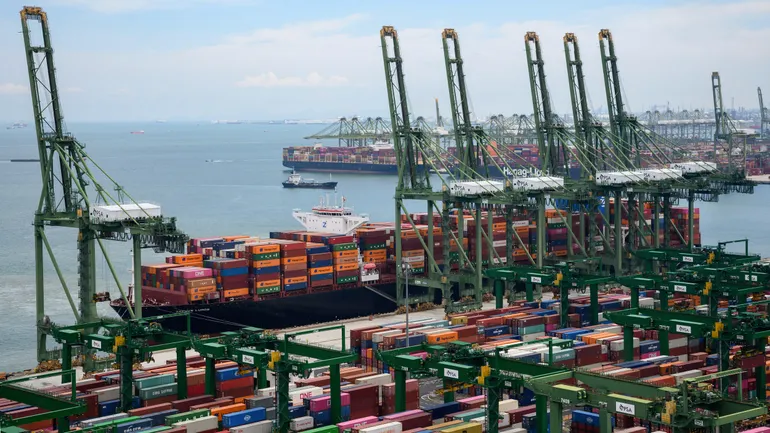
The Red Sea crisis has persisted for months, with vessel diversions leading to capacity constraints and significant increases in freight rates on Asia-to-US routes. This article explores the driving factors behind the rate increases and provides recommendations for cargo owners.
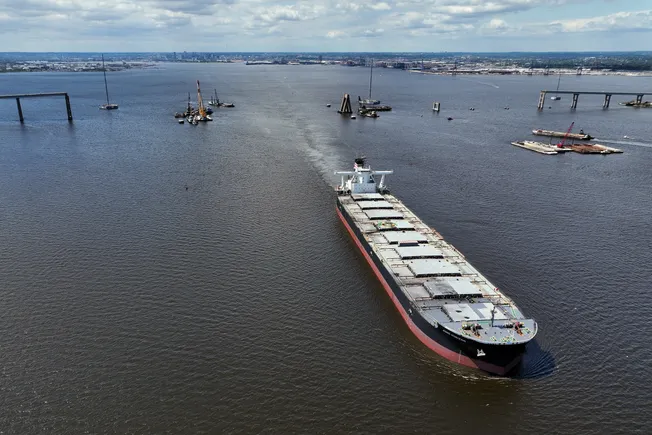
Baltimore Port Reopens After Bridge Collapse, How Much Can Cargo Volume Recover?
Eleven weeks after the collapse of the Francis Scott Key Bridge, the Port of Baltimore fully reopened on Wednesday. Although port executive director Jonathan Daniels expects vessel numbers to return to previous levels only by 2025, bookings are rising, and labor, trucking, and supply chain executives say most clients plan to return. The port has also added cargo data-sharing projects and vehicle storage capacity to enhance resilience.