
Temu and Shein parcels flood delivery networks, can the surge continue?
The rise of Temu and Shein has injected strong momentum into the U.S. parcel delivery market, with the two platforms providing carriers with approximately 900,000 parcels per day in July alone. However, as legislators scrutinize and customs enforcement tightens, the outlook for the duty-free policy is uncertain, and carriers and platforms must address the challenge of balancing costs and profits.
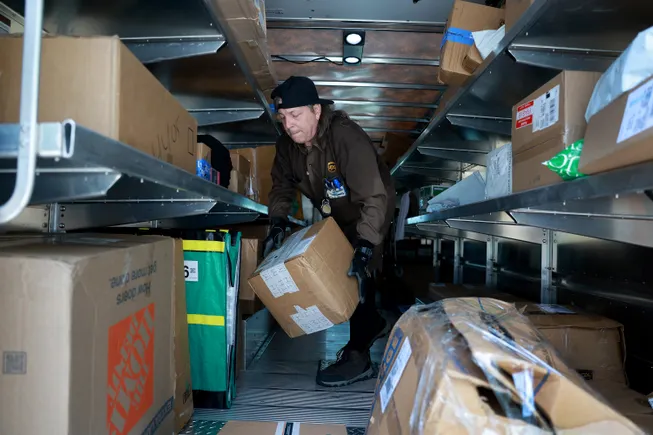
The rapid rise of e-commerce platforms Temu and Shein has injected strong momentum into the U.S. parcel delivery market. According to data provided by ShipMatrix to Supply Chain Dive, in July alone, these two platforms each provided carriers with approximately 900,000 daily domestic parcel volumes.
Goods from both companies enter the U.S. through streamlined supply chain processes that rely on the 'de minimis' duty-free policy. This policy helps keep product prices low, attracting more consumers, which in turn brings more delivery volume to carriers.
However, close scrutiny from lawmakers and enforcement actions by U.S. Customs and Border Protection are threatening the future of this duty-free policy, at least in its current form. Experts interviewed by Supply Chain Dive say that given the close ties between some industry players and these two companies, parcel carriers are pinning their hopes on Temu and Shein adapting to policy changes.
"I think if this volume is disrupted, small carriers and regional carriers will be significantly impacted," said Nate Skiver, founder of parcel consulting firm LPF Spend Management.
'Explosive' growth draws UPS attention
Currently, this boom is helping carriers regain volume growth momentum after the pandemic home-delivery surge faded.
After more than two years of volume declines, UPS finally emerged from weak demand in the second quarter of 2024. During that quarter, UPS's average daily U.S. volume grew 0.7% year-over-year, helped by rising demand for its low-cost SurePost service.
UPS CEO Carol Tomé said on a July earnings call that e-commerce companies using different shipping models than traditional UPS users drove the rebound.
"There are two new e-commerce customers that have come into our network, and you can guess who they are," Tomé said. "These are new e-commerce shippers in the U.S., and their volume growth has been quite explosive."
Temu and Shein were not named on the call, but both companies use UPS services, and experts interviewed by Supply Chain Dive say these two companies are the main force driving the surge in UPS's lightweight parcel volume.
"Only these two retailers have enough volume to really impact their performance," said Alan Amling, a practice assistant professor at the University of Tennessee and former vice president of corporate strategy at UPS.
Temu and Shein not only bring demand to UPS. According to Temu's website, Temu also uses FedEx, the U.S. Postal Service, and numerous small carriers for domestic delivery in the U.S. Shein's website does not specify which carriers it uses, but notes that returns can be made via UPS or postal services.
"The only force underpinning growth in the last-mile market comes from cross-border e-commerce," said Andrew Townsend, senior vice president of corporate development and strategy at SpeedX, which provides delivery services for Temu and Shein.
Temu and Shein dominate low-cost delivery
Carrier executives and industry observers told Supply Chain Dive that in exchange for large volumes of business, Temu and Shein demand favorable shipping rates.
"Such large daily volumes should allow them to negotiate very favorable rates, and combined with the overall weakness in the U.S. parcel market, this further pushes prices down," said Skiver of LPF Spend Management.
Low shipping costs enable Temu and Shein to maintain highly competitive product prices while still covering the cost of air freight to the U.S., a key part of their supply chain model.
Both companies' cost-centric strategies leave little room for speed, at least in their standard shipping methods. Temu's standard shipping is free to consumers, but delivery can take 6 to 22 days. Shein's standard shipping is free for orders over $29, otherwise it costs $3.99, with estimated delivery times of 10 to 13 days.
"If the average order value is below $40, the profit margin inside the parcel doesn't support any premium delivery experience," said Derek Lossing, former head of logistics at Amazon and now founder and principal consultant at Cirrus Global Advisors.
The low rates carriers offer for Shein and Temu could squeeze their own margins if not managed properly. UPS's average daily U.S. ground delivery volume grew 2.3% year-over-year in the second quarter, but revenue per piece in that segment fell 3.3%.
The UPS CEO said the growth in low-value volume was not intentional, but rather that new e-commerce customers brought in far more volume than expected.
"We need to respond to and manage this situation," Tomé said. "Don't over-interpret it; it's just that new customers have entered our network and their volume has surged."
Under profit pressure, UPS is preparing to impose a per-pound surcharge on all U.S. imports from 13 countries and regions starting September 15. Among them, goods from China, Hong Kong, and Macau will face the highest charges, which could help UPS mitigate the low-revenue impact from Shein and Temu deliveries.
UPS is not the only delivery service trying to adapt to the boom in low-cost parcels. Pitney Bowes Global Ecommerce, which previously provided delivery services for Shein, struggled to improve revenue per piece in the quarters before announcing its shutdown in August.
"These volumes, such as those from platforms like Temu and Alibaba, tend to be lighter in weight, which certainly affects revenue per piece," said Jason Dies, former interim CEO of Pitney Bowes, on a May 2 earnings call.
Low-value volume can cover costs
High-margin areas served by parcel carriers include small and medium-sized merchants and healthcare shippers. But the wave of low-cost e-commerce parcels can keep trucks full and delivery routes busy, covering expenses and improving efficiency.
Experts say this balance is especially important for small carriers seeking to expand into new markets, and Temu and Shein offer a direct way to lower service costs by increasing delivery density. Anthony Pizza, vice president of business growth and innovation at SpeedX, said the baseline volume associated with Temu and Shein will help carriers attract more domestic customers.
"One of the benefits of working with Chinese importers is that it allows us to build good density in many delivery areas, which helps unit economics, just as it does for other carriers," Pizza said. "It really helps us offer more competitive services to enter the domestic market."
Despite calls from U.S. lawmakers to restrict the direct flow of low-cost goods from China, Pizza does not believe demand for Shein and Temu products will cool. Only a complete elimination of the $800 de minimis threshold could challenge this momentum, and even then, Pizza said, workarounds exist, such as shipping first to Mexico and then into the U.S.
But Temu and Shein must be careful to ensure that supply chain adjustments made in response to new U.S. regulations do not lead to higher costs for consumers. Otherwise, consumers accustomed to low prices may turn to other channels, putting carriers' volume gains at risk.
"Your $10 jeans might become $12, and if Amazon offers next-day delivery at $14, would you still be willing to wait?" said Lossing of Cirrus Global Advisors.