
Regulation
Tyson Foods Warns: High Beef Prices Unlikely to Fall Soon, Full-Year Profit Outlook Lowered
In its latest earnings report, Tyson Foods lowered its full-year profit outlook and acknowledged that high beef prices are unlikely to fall in the short term. The beef division posted an operating loss of $138 million in the third quarter, with sales volume down 15.9% and prices up 12.1%. Despite closing plants and optimizing its network, industry challenges continue to weigh on profitability.
CBP has paid $100 billion in IEEPA tariff refunds
U.S. Customs and Border Protection (CBP) has paid $100 billion in tariff refunds under the International Emergency Economic Powers Act (IEEPA), accounting for nearly 80% of accepted refund applications as of July 31.
Trump imposes 15% tariff on imports of polysilicon for chips and solar energy
President Trump announced a 15% tariff on polysilicon and its derivatives, including solar cells and certain semiconductor devices, to address national security threats. The tariff takes effect on December 4 and replaces the solar panel safeguard tariff that expired in February. Products from Japan, South Korea, Taiwan, Switzerland, Liechtenstein, and EU member states face a combined tariff rate of 15%, while UK products face 10%. A minimum import price mechanism is also established, and companies can obtain tariff exemptions through localization production plans.
U.S. Commerce Department Proposes Additional Tariffs on More Steel, Aluminum, and Copper Products
On August 6, the U.S. Commerce Department published a Federal Register notice proposing Section 232 tariffs on 14 derivative products of steel, aluminum, and copper, with most products subject to a 25% tariff, except for items like agricultural equipment. This action stems from a series of executive orders by the Trump administration, with public comments due by August 27.
25 US States Jointly Sue Trump Administration, Challenging 'Section 301' Forced Labor Tariffs
A coalition of 25 US states has filed a lawsuit with the US Court of International Trade, challenging tariffs imposed by the Trump administration under Section 301 of the Trade Act of 1974 on 60 trading partners allegedly failing to prevent entry of goods produced with forced labor. The plaintiffs argue that these tariffs, at rates of 10% or 12.5%, were implemented under the guise of 'combating forced labor in global trade,' should be ruled unlawful, and request refunds of amounts already paid by the states.
Can Trump's New Tariff Plan to Boost Generic Drug Manufacturing Return to the U.S. Work?
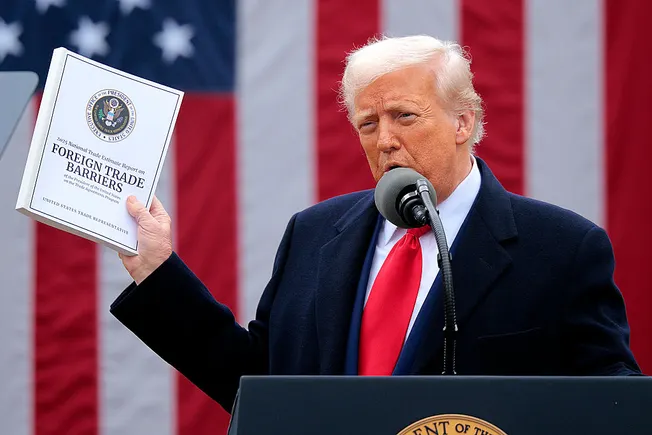
The Trump administration proposed a 100% tariff on overseas generic drugs starting in August 2028, increasing to 200% the following year, to encourage domestic production. However, Johns Hopkins University expert Dai believes that the industry ecosystem, regulatory differences, and cost disadvantages remain unchanged, and the plan may only raise drug prices without truly achieving a return of manufacturing.
Two US companies sue federal government over Section 301 tariffs, seeking revocation and refunds
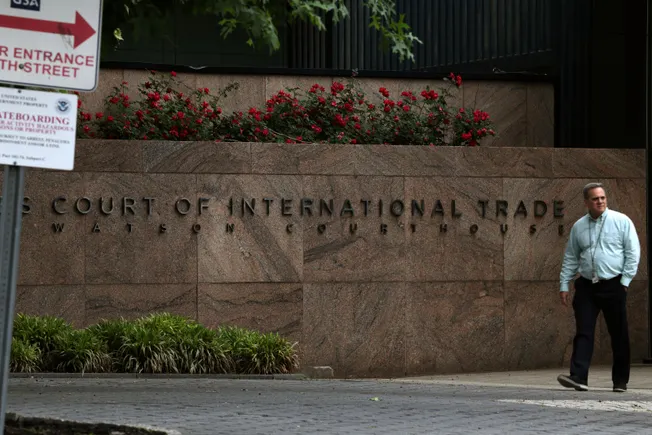
Spice importer Burlap and Barrel and watch retailer Collective Horology have filed lawsuits with the U.S. Court of International Trade, challenging new tariffs imposed by the Trump administration on more than 60 trading partners under Section 301 of the Trade Act of 1974. The plaintiffs argue that the tariffs are designed to circumvent the IEEPA tariff framework previously struck down by the court, and that the investigation process was rushed and lacked targeted country-specific analysis. They are asking the court to revoke the tariffs and order refunds.
Shippers Focus on USMCA Review: Three Key Recommendations
The joint review of the USMCA is underway, and shippers need to closely monitor negotiation progress. Experts advise: master current rules of origin, understand shifts in trade policy priorities, and optimize supply chain layouts.
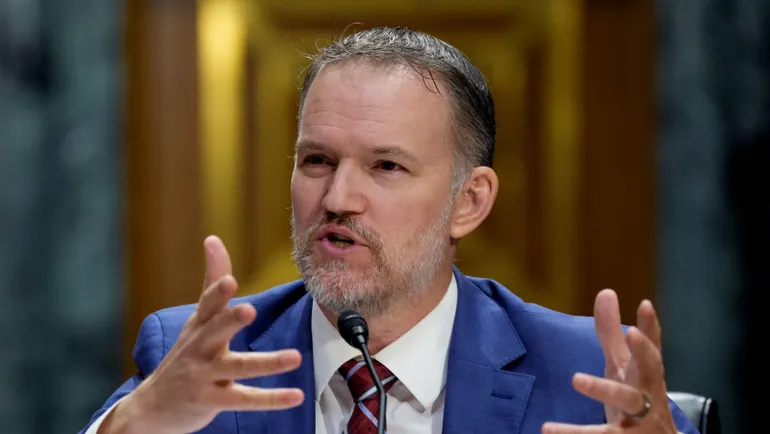
US imposes new tariffs on imports related to forced labor before temporary global tariffs expire
The US will impose new tariffs on imports from 60 trading partners starting Friday, replacing the temporary global tariffs that are about to expire. China, the EU, Mexico, and others will be affected, with rates varying by country and some goods eligible for exemptions.
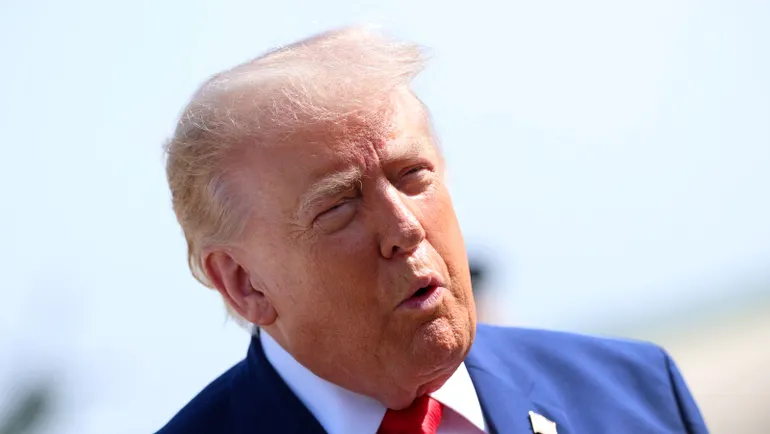
Trump plans to impose 200% tariffs on generic drugs, implemented in phases
U.S. President Trump announced on Truth Social that he plans to raise tariffs on generic drugs to 200% over the next few years to drive pharmaceutical production back to the United States. The new tariffs will be implemented in phases starting August 1, first maintaining 0% for two years, then rising to 100% for one year, and finally reaching 200%. This move has drawn attention from trade policy experts and may affect the global pharmaceutical supply chain.