
Can Trump's New Tariff Plan to Boost Generic Drug Manufacturing Return to the U.S. Work?
The Trump administration proposed a 100% tariff on overseas generic drugs starting in August 2028, increasing to 200% the following year, to encourage domestic production. However, Johns Hopkins University expert Dai believes that the industry ecosystem, regulatory differences, and cost disadvantages remain unchanged, and the plan may only raise drug prices without truly achieving a return of manufacturing.
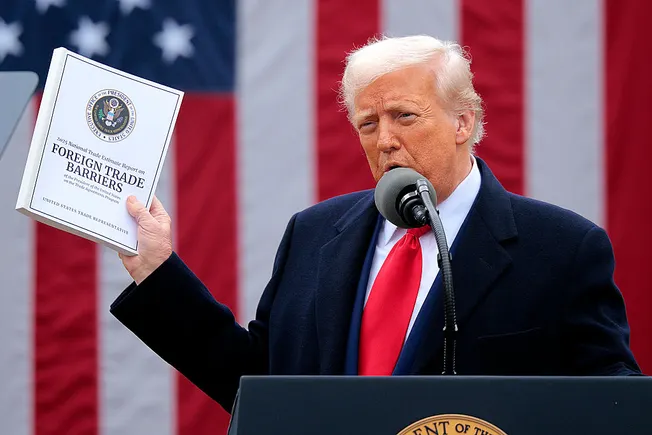
U.S. President Donald Trump has again issued tariff threats against the pharmaceutical industry, promising high tariffs on generic drug imports starting in 2028. The proposal was announced on Truth Social and has not yet been implemented through formal announcements or notices, with the goal stated as encouraging domestic drug production.
Trump's outlined plan is to impose a 100% tariff on generic drugs originating outside the United States starting August 1, 2028, and increase the rate to 200% the following year. However, most of the conditions that have long hindered the return of generic drug manufacturing to the U.S. remain unchanged. Tinglong Dai, the Bernard T. Ferrari Professor at the Johns Hopkins Carey Business School, noted that Trump's latest plan may only drive up drug prices without bringing factories back to the U.S.
Professor Dai specifically mentioned that it is unclear whether the generic drug industry can complete operational relocation in such a short time, nor whether Trump's proposed policy would be durable enough to warrant companies attempting it. He said, "The lack of reaction and response from people in my circle is surprising. Some don't seem to view it as a policy move worthy of serious response."
Reshoring goal widely supported, but real-world obstacles abound
The goal of reshoring generic drug manufacturing to the U.S. itself has broad support. According to data from the API Innovation Center, more than 90% of medications Americans take daily are generics, and over 80% of the active pharmaceutical ingredients (APIs) used to produce them come from outside the U.S. The national security and supply chain risks posed by this situation were especially prominent during the COVID-19 pandemic, when healthcare institutions faced severe drug shortages.
However, Professor Dai believes that several substantive obstacles may limit the effectiveness of tariff-driven reshoring, including labor challenges, regulatory differences, and cost issues. The tariff proposal could also raise drug costs amid growing public concern over drug affordability. A Kaiser Family Foundation survey shows that six in ten Americans are already worried about affording medications. A study co-authored by Professor Dai in Health Affairs Scholar indicates that a 100% tariff on APIs used in U.S. generics could raise prices of these drugs by up to 30%.
Labor and ecosystem gaps: India's advantages hard to replicate
Professor Dai said that domestic manufacturing requires a trained workforce, and the U.S. currently lacks a sufficient number of skilled workers to operate local plants. "Much of the imports come from India... because they have a complete technical ecosystem, including expertise, facilities, capacity, and labor," he said.
Strengthening the U.S. workforce is possible, but there is a dilemma: companies won't move to the U.S. without available labor, and people won't train for jobs that don't yet exist. Professor Dai noted that bridging this gap may require a far-reaching policy initiative.
Cost and regulatory disadvantages: structural gaps tariffs can't close
Even if labor issues are resolved, the APIs needed to produce drugs are typically manufactured overseas. Professor Dai believes this situation is unlikely to change because U.S. companies cannot compete on cost with peers in India, China, and elsewhere.
Regulatory inconsistencies further complicate the picture. U.S.-based facilities must be ready for unannounced inspections at any time, while facilities outside the U.S. typically undergo only scheduled inspections. This makes U.S. facilities spend more on regulatory compliance, creating a cost disadvantage. Professor Dai said, "I suspect a large portion of the cost difference actually comes from regulatory costs." He suggested that leveling the playing field by strengthening inspections of foreign facilities could help narrow the cost gap, but the FDA currently lacks the funding to support this.
For these and other reasons, tariffs alone may not drive manufacturing back to the U.S. Professor Dai concluded, "There is really no substitute for domestic manufacturing capacity. I think we all agree on that. The question is how to achieve it. I just don't see how this particular announcement... will really change anything."