
25 US States Jointly Sue Trump Administration, Challenging 'Section 301' Forced Labor Tariffs
A coalition of 25 US states has filed a lawsuit with the US Court of International Trade, challenging tariffs imposed by the Trump administration under Section 301 of the Trade Act of 1974 on 60 trading partners allegedly failing to prevent entry of goods produced with forced labor. The plaintiffs argue that these tariffs, at rates of 10% or 12.5%, were implemented under the guise of 'combating forced labor in global trade,' should be ruled unlawful, and request refunds of amounts already paid by the states.
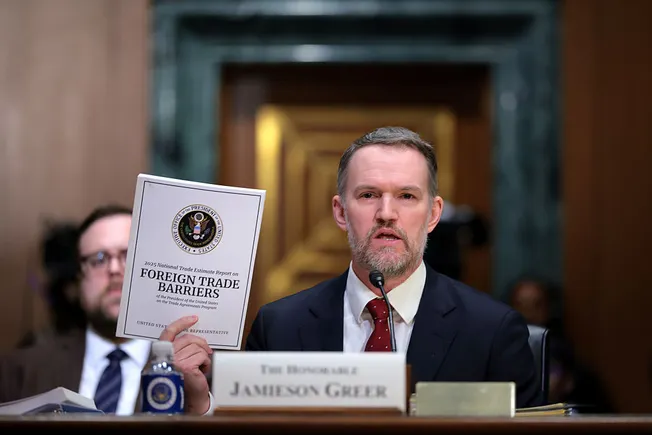
A coalition of 25 U.S. states has filed a lawsuit against the Trump administration, challenging tariffs imposed on 60 trading partners under Section 301 of the Trade Act of 1974. The U.S. had previously accused these trading partners of failing to prevent goods made with forced labor from entering the U.S. market.
The lawsuit, filed on Monday (July 28) at the U.S. Court of International Trade, challenges the government's decision to impose tariffs of 10% or 12.5% on dozens of trading partners, including the European Union, China, Canada, and Mexico. The plaintiffs argue that these tariffs, implemented under the guise of "combating forced labor in global trade," should be ruled illegal and that taxes already paid should be refunded to the states.
The lawsuit states: "The tariff action is arbitrary, capricious, and unlawful." It adds, "The government cannot use forced labor as a pretext to continue its unlawful tariff program."
The lawsuit claims that when imposing the Section 301 tariffs, the Office of the U.S. Trade Representative (USTR) did not align tariff rates with the actual extent to which each economy's goods were allegedly tainted by forced labor, nor did it respond to comments and testimony that undermined its rationale.
The lawsuit states: "In short, there is no reasonable match between the problem of forced labor in international supply chains and the sweeping global tariffs imposed by the USTR."
The legal action also notes that the USTR provided no mechanism for accused economies to be exempted from tariffs through remedial measures, and that it maintained an effective 10% tariff floor even for countries allegedly taking steps to combat forced labor.
The lawsuit names President Trump, U.S. Trade Representative Jamieson Greer, Customs and Border Protection Commissioner Rodney Scott, and their offices as defendants.
The states filed this lawsuit just over a week after two U.S. companies launched the first legal challenges against the forced labor tariffs at the Court of International Trade. Spice importer Burlap and Barrel and watch retailer Collective Horology had previously sought to overturn the new tariffs and obtain refunds of paid amounts.
Similar to the states' lawsuit, the two companies argued that the government imposed the tariffs without fully meeting the requirements of Section 301. They stated that the tariffs were a backdoor attempt to replace previously revoked tariffs.
The two companies filed their lawsuit on July 24, the same day the Section 301 tariffs took effect and the temporary tariffs imposed by Trump under Section 122 of the Trade Act of 1974 reached their 150-day limit. Trump had implemented the Section 122 tariffs after the Supreme Court struck down the sweeping tariffs imposed under the International Emergency Economic Powers Act (IEEPA).