
Trump plans to impose 200% tariffs on generic drugs, implemented in phases
U.S. President Trump announced on Truth Social that he plans to raise tariffs on generic drugs to 200% over the next few years to drive pharmaceutical production back to the United States. The new tariffs will be implemented in phases starting August 1, first maintaining 0% for two years, then rising to 100% for one year, and finally reaching 200%. This move has drawn attention from trade policy experts and may affect the global pharmaceutical supply chain.
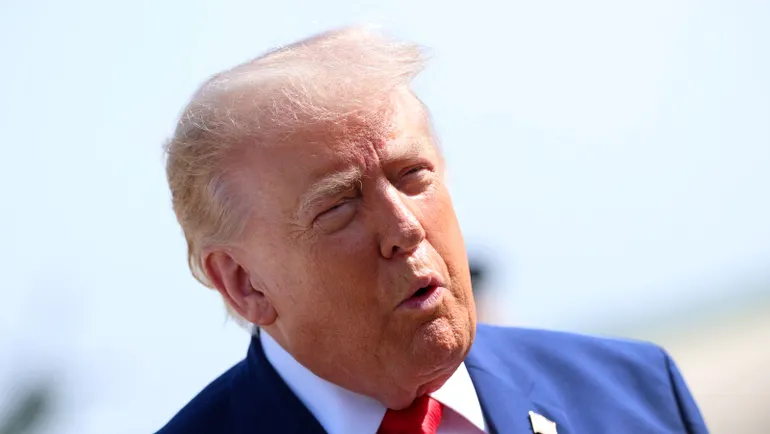
U.S. President Donald Trump said in a Truth Social post on Tuesday (date unspecified) that he plans to raise tariffs on generic drugs to 200% over the next few years. This announcement further expands the scope of the White House's recent actions on trade policy.
Trump said the timeline for the new tariffs will begin on August 1, with generic drugs continuing to face 0% tariffs for the next two years. After that, tariffs will rise to 100% over a one-year period, then increase further to 200%.
"This is intended to bring generic drug manufacturing back to the United States and to impose penalties on companies that have not decided to build factories and equipment within the specified time frame," Trump wrote in the post.
"We may be back to making trade policy by tweet. This time it's a new threat against generic drugs," said Deborah Elms, head of trade policy at the Hinrich Foundation, in a LinkedIn post. "The start date is two years out, so this may be a threat that never materializes. But because it could still happen, it's worth paying attention to today."
This announcement comes just over a week before the U.S. begins imposing 100% tariffs on patented drugs from 17 companies, including Eli Lilly, Pfizer, and Novo Nordisk. However, imports from countries that have reached trade-related agreements with the U.S. will be subject to reduced rates.
More companies will begin facing those tariffs on September 29 and will enjoy the same trade agreement exemptions. When Trump announced those tariffs in April, he said generic drugs would not be covered for at least a year, after which the exemption would be reassessed. Tuesday's announcement appears to adjust that timeline.
Trump said the new plan for generic drugs would not change the policy on patented drugs, which stems from a "Section 232" investigation. Trump did not mention whether he would use the same mechanism to impose new tariffs on generic drugs, a mechanism he has previously used to impose tariffs on goods such as automobiles, auto parts, steel, and aluminum.
This is the latest in a series of tariff announcements from the Trump administration over the past week, including 50% tariffs on many Canadian goods and 25% tariffs on a range of Brazilian imports.
More tariffs may be on the way, as the temporary 10% tariff Trump imposed in February (after previous tariffs were struck down by the Supreme Court) expires on Friday.
Additionally, the Trump administration is conducting multiple "Section 232" and "Section 301" investigations, the results of which have previously served as the basis for tariffs, such as those announced on Brazilian products last week.