
Operations
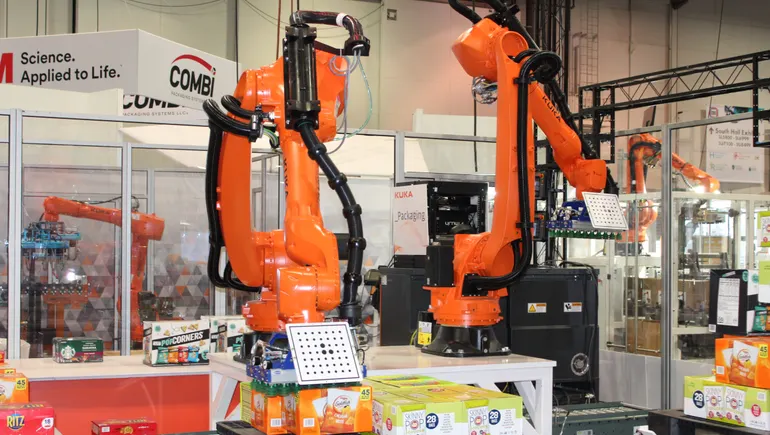
E-commerce Packaging Trends Favor Square Designs for Automation and Efficiency
Square and rectangular packaging is becoming the norm in e-commerce, driven by automation, efficiency, and sustainability. Robots handle rigid shapes better, and densification reduces shipping costs. However, consumer backlash over format changes, like Tropicana's bottle redesign, highlights the need for clear communication. Experts predict continued reliance on square formats.
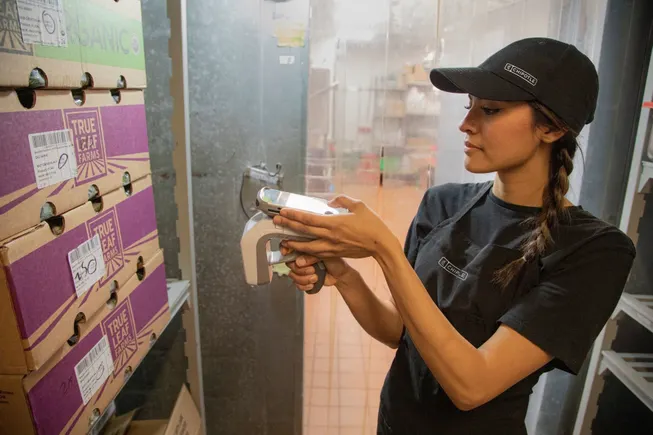
Chipotle Adopts RFID Technology to Enhance Supply Chain Visibility
Chipotle Mexican Grill is leveraging RFID technology to improve visibility across its fully outsourced supply chain. After a successful pilot in Chicago, the company is rolling out RFID to all 3,500 restaurants by year-end. The technology aids in tracking inventory, improving traceability, and supporting limited-time offers like Chicken al Pastor. Additionally, Chipotle is enhancing its ERP system with Oracle and developing a supplier visibility project.
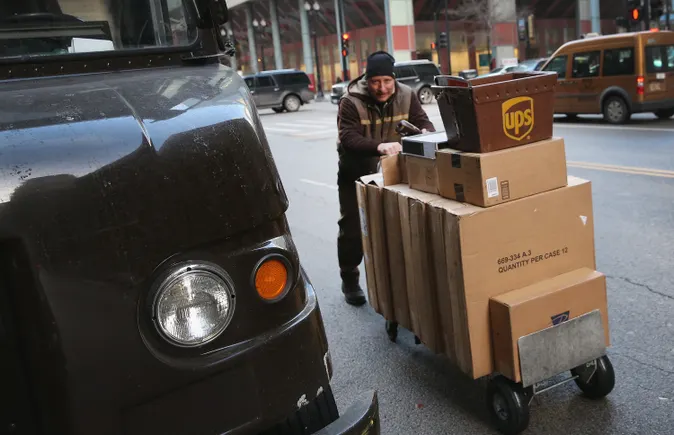
UPS持续缩减员工规模:需求疲软与战略调整的双重驱动
联合包裹(UPS)在疫情后需求回落及行业竞争加剧的背景下,持续缩减员工规模。截至2023年底,员工总数较2020年峰值减少约8%。2024年,公司计划再裁减12,000个岗位,主要集中在管理层和合同职位,预计带来10亿美元的成本节省。专家指出,UPS的裁员策略既是对市场需求的响应,也反映了其“更好而非更大”的战略导向及自动化转型的深化。
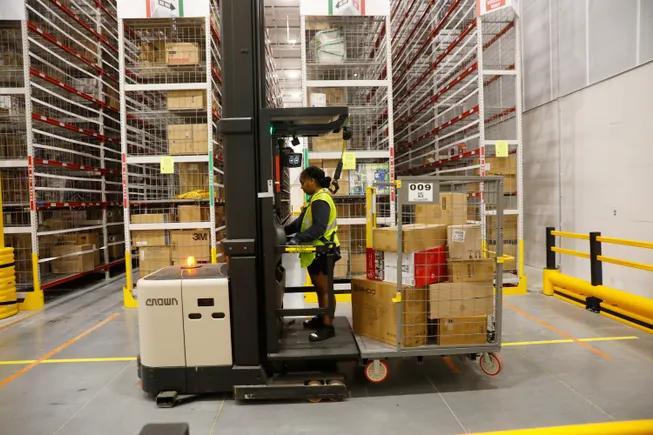
美国仓储业就业持续下滑,2024年更多裁员在即
美国仓储业招聘热潮持续降温。劳工统计局初步数据显示,2023年12月仓储与存储业从业人数降至185万,为2021年11月以来最低。2024年,多家零售品牌、电商平台及第三方物流商已披露设施关闭与裁员计划,涉及员工超2800人。企业正从扩张转向效率优化,整合网络、转向新设施或门店履约模式。

Military Veterans: A Strategic Answer to Manufacturing's Workforce Shortage
With over 627,000 manufacturing jobs unfilled as of September, industry leaders are turning to a largely untapped talent pool: military veterans. Despite possessing leadership, logistics, and technical expertise, many veterans face underemployment and resume screening obstacles. Programs like Heroes MAKE America and veteran-focused recruiters are working to align military skills with manufacturing careers, offering a path to stable employment for transitioning service members.

Inventory Metrics in Focus: How Major Retailers Performed in Q2 2023
As retailers navigated a challenging demand environment in Q2 2023, many saw inventory levels decline and margins improve. This analysis examines key operating metrics and executive insights from Walmart, Target, Kohl's, Macy's, Dollar General, Dollar Tree, Under Armour, Nike, Lululemon, Abercrombie & Fitch, American Eagle Outfitters, and Gap Inc.
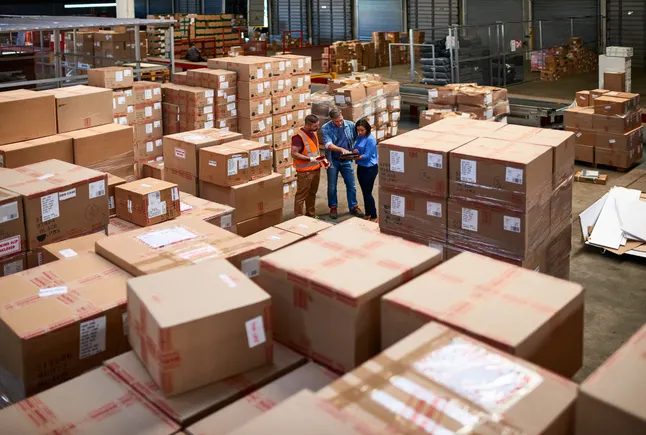
Retail Inventory Overhang: Lessons from the 2022 Tidal Wave and the Road Ahead
Following the 2020-2021 shortages, retailers spent 2022 battling inventory bloat as inflation curbed demand. While levels have peaked, stock remains elevated. Experts discuss the shift toward leaner inventories, the pain felt by wholesalers, and whether the industry has truly learned to balance scarcity against the risk of lost sales.
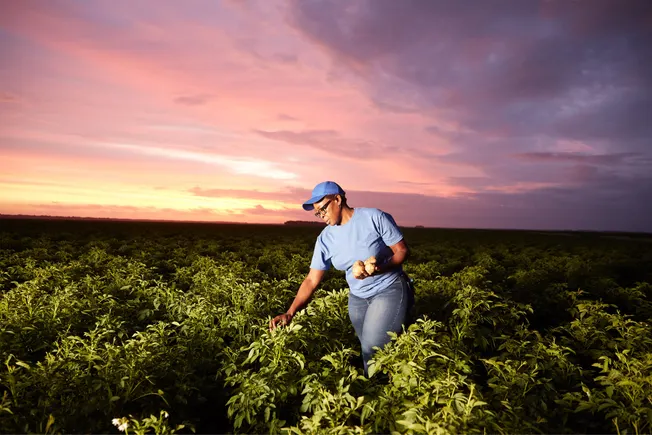
Food companies claim emission reductions this year, experts skeptical
The food and beverage industry faces pressure to reduce emissions, with several major companies claiming progress in 2023, but experts remain skeptical of the timeline. The article analyzes the effectiveness of practices such as carbon offsets and regenerative agriculture, and points out that data transparency and regulatory gaps are major obstacles.
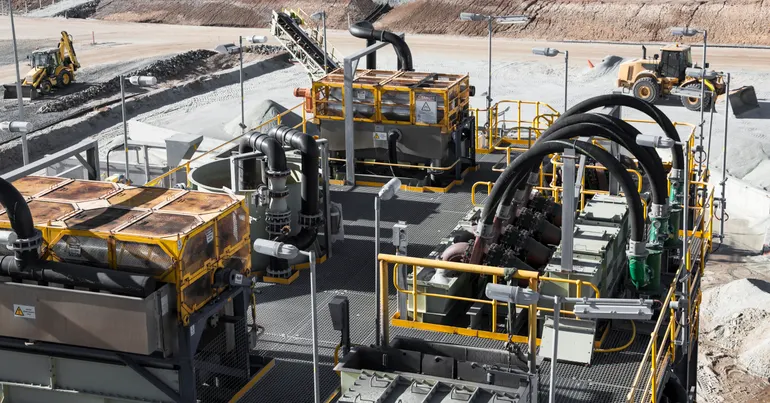
Blueprint for Transforming the U.S. Lithium Supply Chain: A Comprehensive Layout from Domestic Mining to Battery Manufacturing
The Biden administration is accelerating the localization of the U.S. lithium-ion battery supply chain, covering the entire process from mining, processing, to manufacturing. Although the U.S. accounts for only 3.6% of global lithium reserves and faces multiple technical and cost barriers, industry observers remain cautiously optimistic about sustainable capacity expansion, supported by funding from the Bipartisan Infrastructure Law and collaborative mechanisms such as Li-Bridge.