
Risk
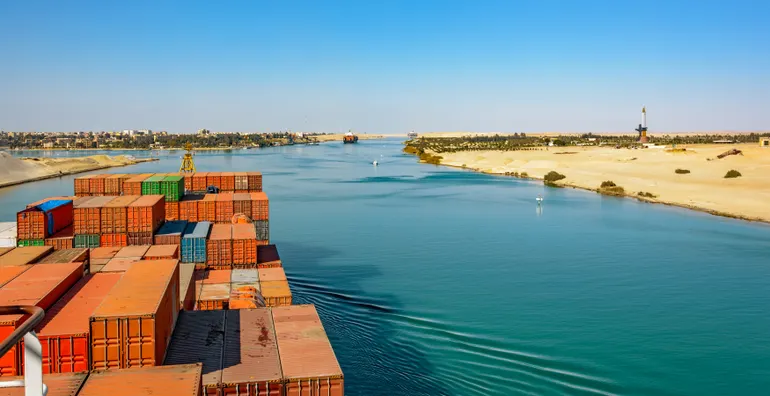
Suez Canal disruption: Five key considerations for shippers navigating Red Sea risks
Attacks on Red Sea vessels have pushed major ocean carriers to divert ships from the Suez Canal, prompting surcharges and extended transit times. Industry experts outline five critical questions shippers must address, from alternative routes and rate trends to cargo exposure and insurance risks.
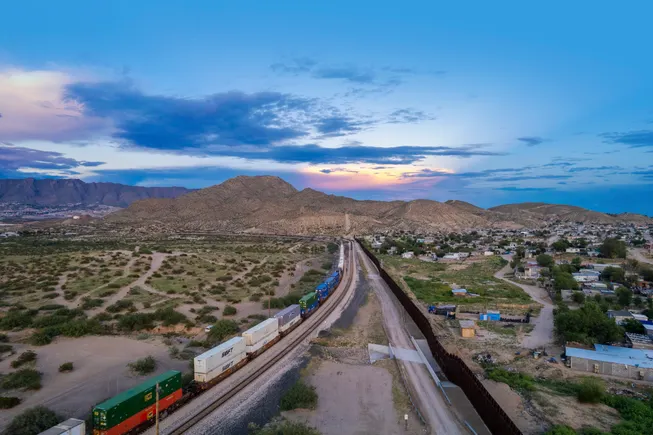
Mexico's Nearshoring Surge: A Long-Gestating Shift in Global Supply Chains
Mexico's growing role in U.S. supply chains is having a ripple effect into its economy, with some regions and industrial sectors benefiting more than others. Manufacturing in Mexico has seen the production of automobiles, electronics, medical devices, home appliances, equipment and machinery grow in recent years, experts told Supply Chain Dive. The changes, which come as companies consider nearshoring production, have also driven logistics companies to increase their investments in offices or freight routes.

Vietnam Emerges as Key Manufacturing Destination as U.S. Firms Diversify Away from China
As U.S.-China trade relations deteriorate, manufacturers are increasingly turning to Vietnam as an alternative production hub. The country has drawn significant investment from global tech giants, backed by government incentives, free trade agreements, and a competitive labor market. Vietnam aims to boost manufacturing's share of GDP to 30% by 2030, focusing on supporting industries to build a resilient domestic supply chain.



Climate-Driven Insurance Squeeze: Five Strategies for CFOs to Contain Costs
Rising commercial property insurance costs, driven by climate-related disasters, are pressuring CFOs. Experts recommend five steps: reassessing risk tolerance, deepening insurer partnerships, investing in loss prevention, exploring parametric insurance, and leveraging data analytics.
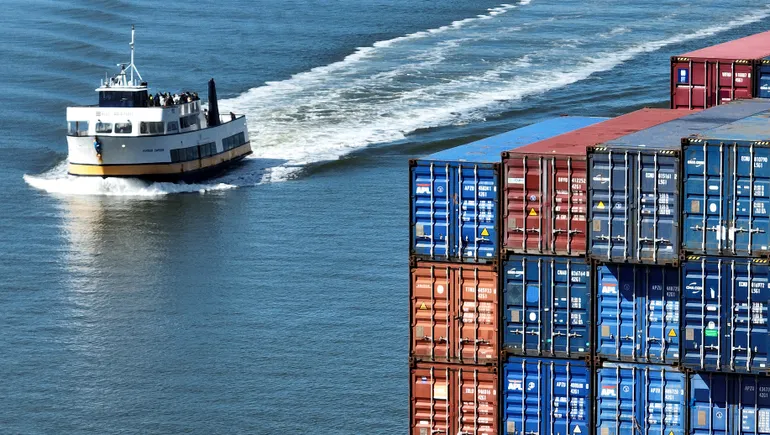
Five Strategic Resets for Fashion Brands Navigating Supply Chain Turbulence
As fashion supply chains face recurring disruptions from labor strikes, extreme weather, and trade disputes, experts recommend five strategies: enhancing flexibility, advancing delivery schedules, adopting digital twin technology, nearshoring production, and embracing a 'great reset' in supply chain management. These measures aim to reduce lead times, improve visibility, and mitigate risks in an increasingly volatile environment.

供应链劳工动荡之夏:背后原因与应对策略
2023年夏季,美国及加拿大供应链领域爆发多起劳资纠纷,涉及港口、快递、零担运输等多个环节。工人要求更高薪酬、福利和保障,工会谈判力量增强,货主被迫调整供应链策略。本文剖析劳工动荡的深层原因、对物流运营的影响,以及企业如何通过多元化承运商、技术投资等方式降低风险。

供应链脱碳:成本由谁承担?
全球约75%的温室气体排放属于范围三(Scope 3)排放,供应链脱碳迫在眉睫。然而,转型成本高昂,每年需额外资本支出3.5万亿美元。买方与供应商之间就成本分担存在分歧,部分品牌通过绿色债券和供应链金融提供支持,但许多供应商仍面临资金压力。本文分析了各方观点及潜在解决方案。

Why Some UPS Shippers Stay Put Despite Strike Threat
As the UPS-Teamsters contract deadline approaches, some shippers are holding steady, while others scramble to mitigate potential disruptions. Factors like volume-based discounts, contract penalties, and confidence in negotiations influence decisions.