
Why Some UPS Shippers Stay Put Despite Strike Threat
As the UPS-Teamsters contract deadline approaches, some shippers are holding steady, while others scramble to mitigate potential disruptions. Factors like volume-based discounts, contract penalties, and confidence in negotiations influence decisions.
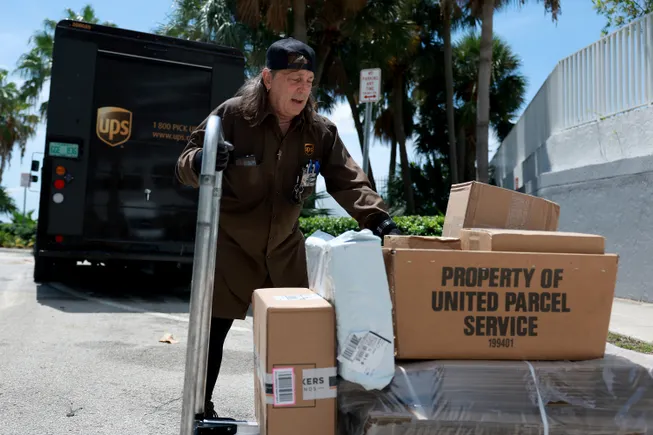
The looming threat of a UPS strike has not been enough to prompt many companies to shift package volumes to alternative carriers. The national contract between UPS and the International Brotherhood of Teamsters, representing roughly 330,000 employees, expires at the end of the month. Without a tentative deal, the union plans to strike on Aug. 1, which would disrupt UPS's network and cause supply chain ripple effects.
Yet, despite this risk and the growing popularity of carrier diversification, some shippers have maintained their current volume levels with UPS, according to parcel delivery experts. A company's size, existing carrier mix, and confidence in negotiators to reach a deal all factor into that decision, along with the specifics of their shipping contracts.
That is not to say all shippers are unmoved. With the contract expiration date approaching, some companies are scrambling to implement alternative carriers.
"What I've seen here in the last month or so is the tone has changed," Stephen Beard, VP of transportation at e-commerce fulfillment provider PFS, told Supply Chain Dive. "Now I've got all of these clients wanting to talk to us about how they can move volume away from UPS."
Here's why some UPS shippers are holding steady, even as others ramp up mitigation plans.
The Benefits of Sticking with UPS
AFS Logistics, a 3PL, has not seen significant shifts in customer volume away from UPS. Micheal McDonagh, AFS Logistics' president of parcel, cites a blend of reasons. Several shippers are confident a deal will be reached before a strike. Larger clients may worry about losing volume-based discounts, which can be noticeable even with a week or two of diversions, and the complexities of adjusting their carrier mix.
"You're talking about testing your system, testing the routes, testing the pickup times and training your staff for a change that may not happen," McDonagh said.
Additionally, strict contract language can disincentivize diversions. PFS' Beard has seen shippers locked into deals with large financial penalties if they fail to provide agreed-upon annual volume. Such arrangements became more common after capacity constraints during the COVID-19 pandemic.
"For three years it was like, 'Can I just get my stuff picked up at any price?'" Beard said. "During that time period, the carriers took advantage of that leverage. They were able to insert clauses in contracts that never got done before, and I think that is creating some of this stickiness right now."

Small- and medium-sized businesses are particularly vulnerable to strike-related disruptions, experts say, as they lack the volume or purchasing power to secure capacity from alternative carriers easily. Many remain single-sourced with a national carrier like UPS.
UPS has also worked to retain business amid cooling delivery demand, assigning executives to major customers to sway them to keep packages in its network. This tactic appears to have helped, as rival FedEx did not see material benefit from the contract negotiations in its most recently reported quarter.
These factors have left a range of companies vulnerable to a UPS strike, if it occurs. Williams-Sonoma and headphone maker Koss Corporation have flagged the unsettled negotiations as a risk in securities filings this year. Nicokick, a tobacco-free nicotine product seller using various UPS services, warned on its website that customers should order soon to avoid potential delays. "Orders shipped before July 31st will most likely be unaffected," Nicokick said.
Other Shippers Work on Contingency Plans
Other firms have already laid groundwork to mitigate strike impacts. In emails to Supply Chain Dive, major UPS customers Amazon—which has grown its own delivery fleet—and Macy's expressed confidence in minimizing disruptions.
"At Macy’s, our experienced teams have successfully navigated through supply chain disruptions in the past and are confident in their ability to flex and pivot as needed," said a spokesperson for the retailer. "In the event of a strike, we have contingency plans in place to mitigate any impact to our customers."
Experts say a key component of contingency planning is securing capacity at alternative carriers. Shippers have diversified carrier mixes since the capacity constraints of 2020 and 2021. For example, AxleHire has seen existing clients move UPS-destined volume to the urban last-mile delivery provider, COO Adam Bryant said. The company expects no additional diversions from those customers and plans to serve new clients on a first-come, first-serve basis using its network of gig drivers.
"One advantage that we do have is the fact that we are a very asset-light model," Bryant said. "By leveraging the gig economy and some of these partners, we've been able to flex up."
Leveraging a diverse mix of delivery companies is critical in PFS' plan to mitigate strike impact on clients, many of which ship lightweight products like luxury goods and makeup, Beard said. For items over four pounds, the fulfillment provider will rely on FedEx. Products below that threshold will typically be handled by U.S. Postal Service workshare partners. These partners, such as OSM, inject volume closer to delivery destinations, bypassing potential choke points at larger Postal Service sorting facilities.
"It's more flexible than the integrated carriers’ networks are going to be," Beard said.