
Mexico's Nearshoring Surge: A Long-Gestating Shift in Global Supply Chains
Mexico's growing role in U.S. supply chains is having a ripple effect into its economy, with some regions and industrial sectors benefiting more than others. Manufacturing in Mexico has seen the production of automobiles, electronics, medical devices, home appliances, equipment and machinery grow in recent years, experts told Supply Chain Dive. The changes, which come as companies consider nearshoring production, have also driven logistics companies to increase their investments in offices or freight routes.
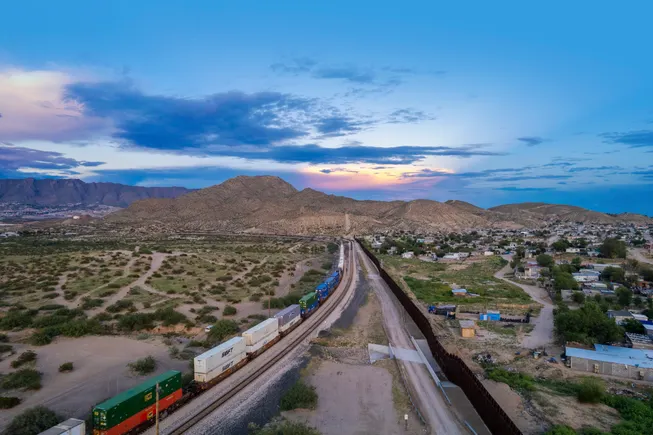
Mexico's expanding footprint in U.S. supply chains is reshaping its economy, though the benefits are unevenly distributed across regions and industrial sectors, according to experts and trade data analyzed by Supply Chain Dive.
Manufacturing output in Mexico has grown notably in recent years across automobiles, electronics, medical devices, home appliances, equipment, and machinery, experts told Supply Chain Dive. This growth, occurring as companies weigh nearshoring production, has also prompted logistics providers to boost investments in offices and freight routes.
The United States' influence is evident in trade figures. In 2022, 14% of all U.S. imports by value originated in Mexico, based on data analyzed by Supply Chain Dive. U.S. firms have long been active investors, accounting for 42% of total foreign direct investment (FDI) in Mexico since 2006.
However, these investments have historically clustered in a handful of industrial sectors and states—a pattern that persists in the latest nearshoring wave. Below is a closer look at Mexico's role in U.S. supply chains, drawing on expert interviews and data analysis.
Automotive Sector Leads the Charge
The automotive industry holds an outsized share of Mexico's top trade metrics, whether measured by FDI or international goods purchases.
In the first three quarters of 2023 alone, motor vehicle manufacturing attracted $5.4 billion in FDI, surpassing any full-year total prior. For instance, BMW, present in Mexico for over three decades, announced an $860 million investment this year to prepare its San Luis Potosí plant for electric vehicle (EV) production. Similarly, Tesla has proposed building a gigafactory in Nuevo León.
While these figures are buoyed by major automakers positioning for future EV demand, they illustrate how global business dynamics can trigger waves of investment in specific countries.
"Large companies like Tesla also create a larger ecosystem of companies to support it," said Jessica Billedo, general manager of Mexico Operations at Arrive Logistics.
Billedo noted that China-based automation tech provider Noah Itech and Belgian glass supplier AGP Group both announced major investments in Nuevo León to supply Tesla.
Beyond automotive products, beverages, household appliances, electrical equipment, and medical supplies are among other Mexico-made goods experiencing rising demand, according to U.S. import data analyzed by Supply Chain Dive.
Why Mexico Appeals to Shippers
Mexico has long been a manufacturing partner for U.S. buyers, but a combination of trade advantages has elevated its profile for nearshoring.
The country's existing economic development and industrial maturity help attract investment, said Eric Porras, director of MBA and MBA-GBS programs at Tecnologico de Monterrey's EGADE Business School. A broad base of existing suppliers means that when a manufacturer arrives, an ecosystem is already in place.
Chip Barth, managing director of TBM Consulting’s global supply chain practice, echoed this, noting that a strong industrial presence eases reshoring or nearshoring because "knowledge, infrastructure, skilled workforce and technology already exist in the country."
Global integration also plays a role. The U.S. has free trade agreements with 20 countries, but Mexico has 14 trade deals with 50 countries, making it an attractive hub for intermediary goods production. Additionally, the United States-Mexico-Canada Agreement (USMCA) has deepened economic integration with its northern neighbors.
"Mexico, over many years, precisely because of the free trade agreements it has had with the United States, has developed a very important manufacturing base in different sectors—the automotive industry being a major success," Porras said.

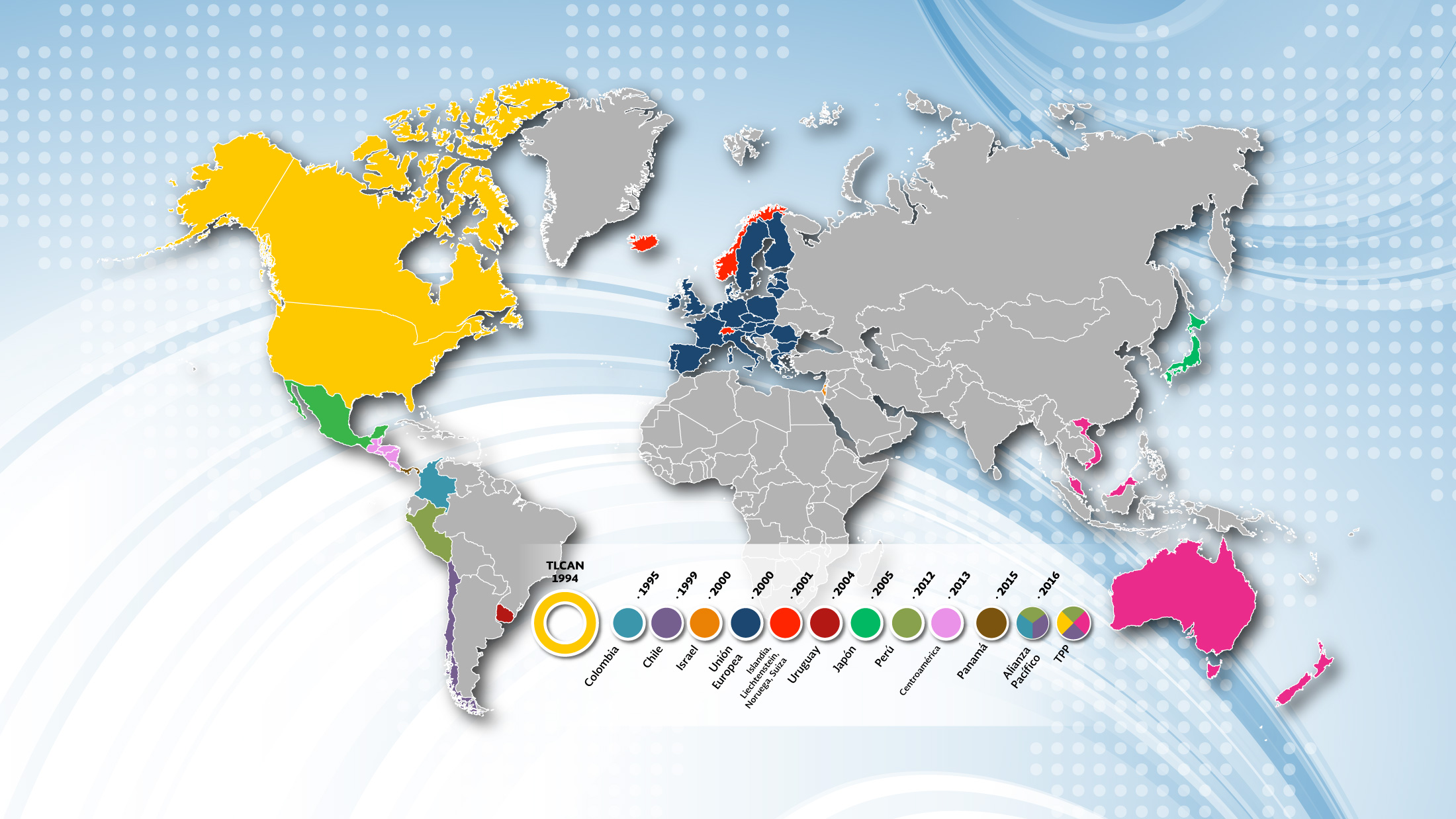
Mexico emerged as a convenient alternative for shippers over-exposed to Asian imports during the COVID-19 pandemic. Not only was industrial infrastructure already present, but proximity to the U.S. market saved executives time and shipping costs.
"Shorter lead times mean goods reach the end user significantly faster, which is critical in today’s customer-first, on-demand market," said Billedo. "At best, transit times from China to the U.S. range from 20 days to six weeks, whereas running a load from Monterrey, Mexico, to Detroit, Michigan, takes just four days or less."
The need for speed and agility has driven the latest wave of logistics investments in Mexico, particularly by rail carriers and trucking firms. Seeing rising shipper interest, Mexican policymakers have proposed developing a rail corridor in the country's southeast that could compete with the Panama Canal, potentially saving shippers days in lead times to the U.S. West Coast, Porras said.
Billedo also emphasized shippers' desire for agility, noting many sought to improve crisis response capabilities after the pandemic.
"Managing production is much easier when plants operate within the same time zone and are only a short flight away," Billedo said. "So, whether it’s a minor issue at the factory or a significant supply chain disruption, the proximity nearshoring [in Mexico] offers is priceless."
Editor’s note: This story is the fifth installment of a series exploring global trade shifts. Read the previous story here.
Correction: This story has been updated to reflect the correct last name and title for Chip Barth.