
Deep Dive
来自我们记者的行业洞察

Apparel suppliers face risk of being phased out of the market due to resistance to technology investment
Los Angeles apparel suppliers still rely on fax orders, with lagging technology investment in the industry. High manufacturing costs, workers' compensation, and regulatory pressures are forcing brands to move overseas, while automation and AI investments are concentrated on demand forecasting and order digitalization.
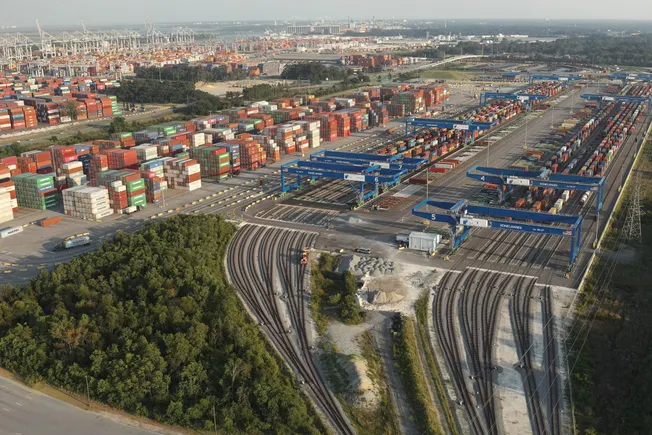
Four charts reveal the evolution of U.S. freight diversion patterns
Since the pandemic, shippers have significantly adjusted their logistics networks in pursuit of supply chain reliability, causing cargo to divert from major gateway ports to smaller and mid-sized ports. Four charts illustrate how this trend has reshaped the U.S. port landscape and market share.
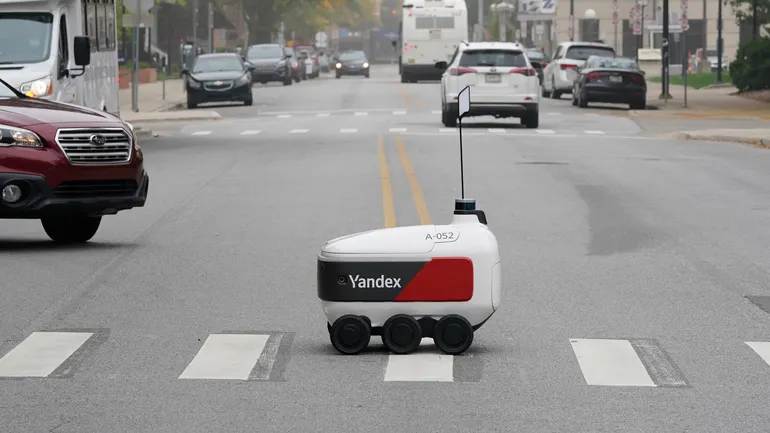
Delivery robots face regulatory 'nightmare': inconsistent state laws hinder national expansion
Regulations for sidewalk delivery robots vary greatly across U.S. states, from weight and speed to operating permits, posing challenges for tech companies' national expansion. Industry executives call for unified standards, but legislative progress is slow, and pilot projects have also exposed issues such as infrastructure and user acceptance.
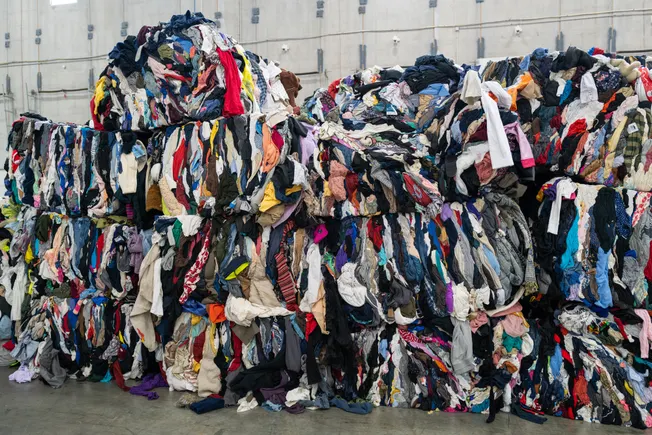
The Simple Solution to Fashion's Sustainability Problem: Produce Less
The fashion industry has a huge environmental impact, but innovative materials such as clothing made from recycled plastic bottles and mycelium leather can only solve part of the problem. Multiple scholars point out that the key lies in reducing total production. This article cites several studies, analyzing the causes of overproduction, cases of brands destroying inventory, and regulatory developments in France, Spain, and the European Union.
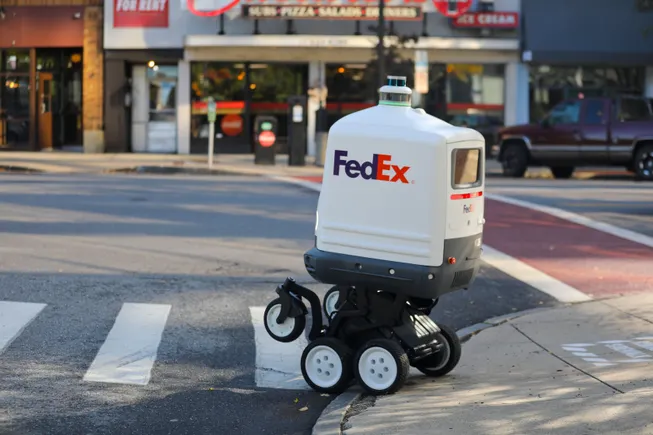
Sidewalk Delivery Robots: How Far Are We from Large-Scale Deployment After FedEx and Amazon Stumbled?
FedEx and Amazon have successively terminated their sidewalk delivery robot projects, raising questions about the feasibility of large-scale deployment. However, industry respondents believe that labor shortages and inflation could act as catalysts for the industry, though challenges such as funding and scenario diversification remain to be addressed.
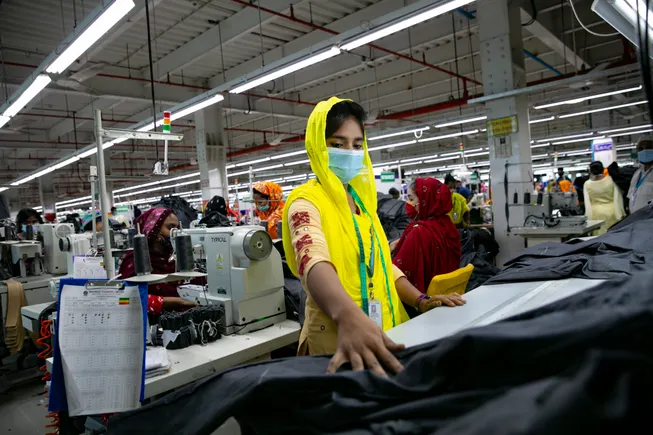
Three Years Later: How COVID-19 Exposed the Vulnerability of Suppliers and Workers Under the Power of Large Buyers
Three years ago, COVID-19 led to large-scale closures of retail stores in the United States and manufacturing factories worldwide. Major brands canceled billions of dollars in orders, shifting financial and operational risks onto suppliers, ultimately causing workers to suffer unemployment, wage cuts, debt, and hunger. Research shows that although some brands paid for canceled orders under public pressure, by the end of 2022, wage claims for workers at most factories remained unresolved. Experts point out that the pandemic merely exacerbated the power imbalances and systemic exploitation that had long existed in the supply chain.
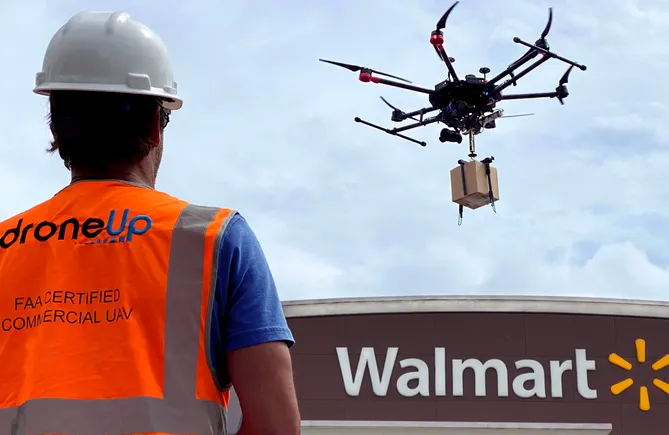
How drone delivery companies can cross the scale threshold and achieve ambitious goals
Zipline and Alphabet's Wing, two giants in the drone delivery field, released major service upgrades earlier this month aimed at expanding delivery scale. However, experts say that to achieve these ambitious goals, companies not only need substantial investment but also must optimize operational efficiency, overcome regulatory restrictions, and win public trust.
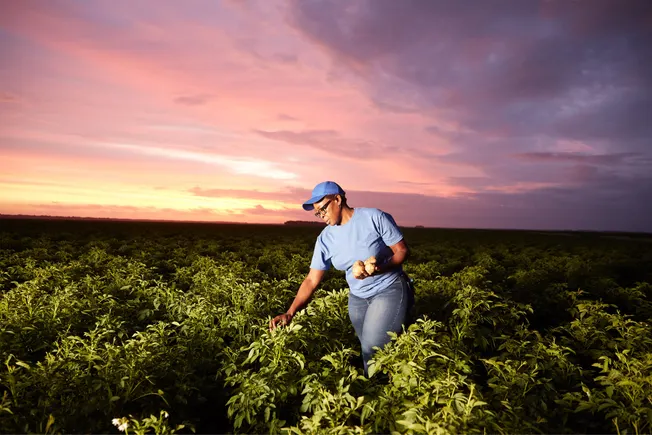
Food companies claim emission reductions within the year, experts skeptical
Facing pressure from sustainability advocates and consumers, food and beverage companies are formulating supply chain emission reduction plans for the next decade. However, experts remain skeptical about related progress, believing the industry faces significant challenges in meeting its goals within the set timeframe.

How FMCG Companies Can Prepare for Market Volatility in 2023
In 2023, the FMCG industry continues to face multiple challenges including supply chain issues, inflation, and geopolitical factors. Companies like Vita Coco and Del Monte Foods are responding through price increases, automation investments, and product innovation, while industry experts predict further cost cuts and potential layoffs may occur.