
Deep Dive
来自我们记者的行业洞察
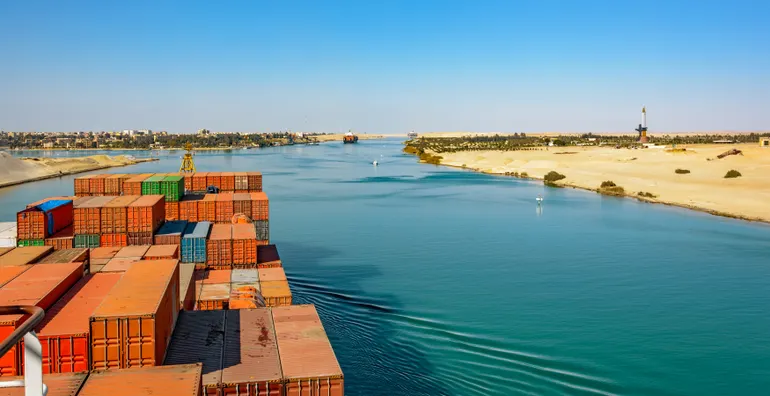
Suez Canal Risk Escalates: Five Key Questions for Shippers Coping with Disruptions
As the year-end approaches, Suez Canal routes face severe challenges due to Red Sea attacks. Approximately 55 vessels have been rerouted via the Cape of Good Hope, with multiple shipping lines announcing diversions or suspensions of Red Sea transits and imposing surcharges. Based on interviews with experts from organizations such as Flexport, Kearney, and Freightos, this article analyzes five major issues: carrier responses, alternative routes, freight rate trends, affected cargo types, and insurance risks, providing decision-making references for shippers.
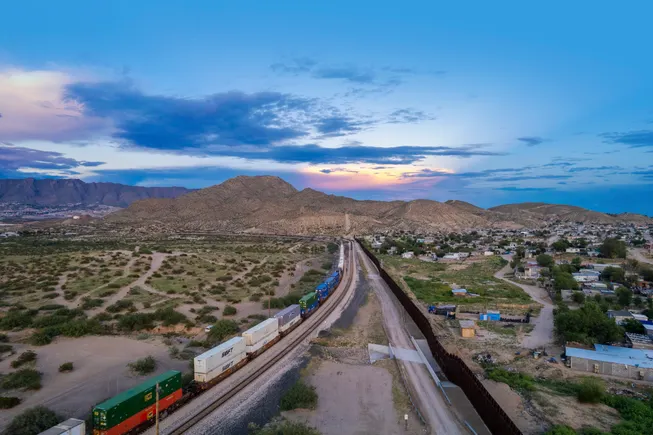
Mexico's Nearshoring Wave: A Supply Chain Shift Years in the Making
Mexico's nearshoring wave is not an overnight development but the result of years of trade agreements and industrial accumulation. The automotive industry attracts substantial foreign investment, and logistics companies are expanding their presence, yet investment concentration is evident. Combining data and expert perspectives, this article analyzes how Mexico has become a key link in the U.S. supply chain.
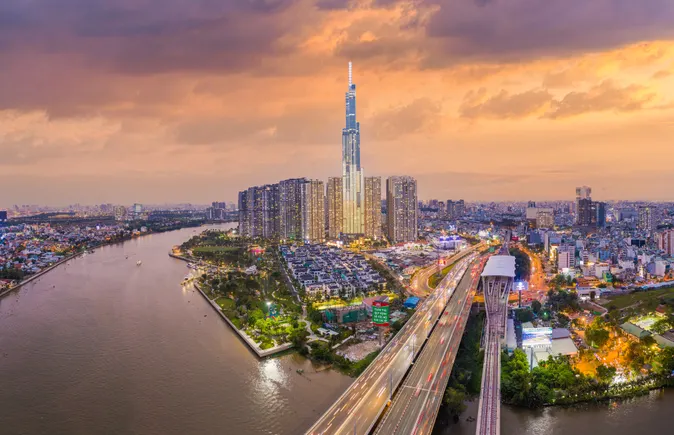
Manufacturers accelerate 'de-China' layout, Vietnam becomes new hotspot for investment
As US-China trade tensions persist, Vietnam, leveraging its labor cost advantages, tax incentives, and network of free trade agreements, is attracting global giants such as Intel, Amkor, and Google to increase investment, becoming a key destination for manufacturing supply chain relocation.
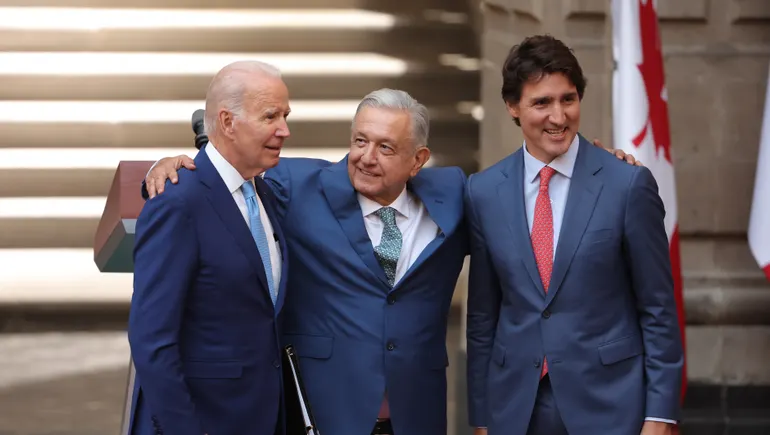
Logistics companies race to adjust layouts in response to global supply chain restructuring
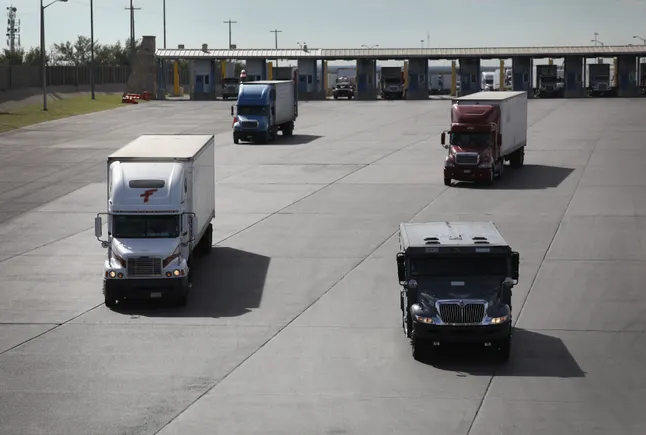
Global supply chains are undergoing profound transformation, with manufacturers investing in new plants in regions closer to consumers or with lower risks to enhance resilience. Logistics companies are following the flow of capital, striving to gain an edge amid the geographic shift in demand by expanding cross-border services, opening new routes, and investing in key markets. This article reviews the latest developments in maritime, air, and multimodal transport.
Climate Change Raises Commercial Property Insurance Costs: Five Strategies for CFOs
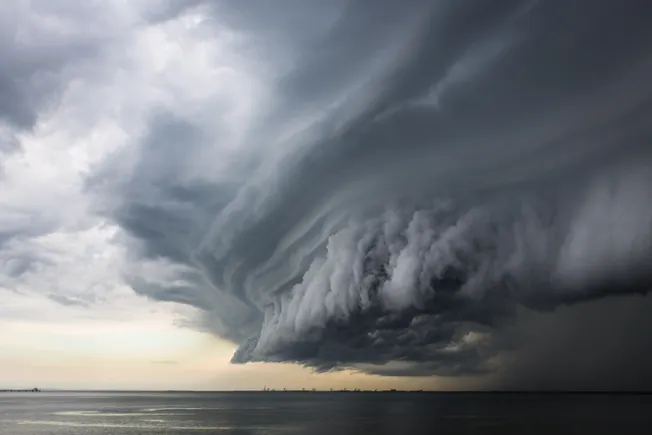
With the increasing frequency of climate disasters such as tornadoes, floods, and hurricanes, U.S. commercial property insurance costs have surged, rising 15% last year—the largest increase in over 30 years. Data from the Swiss Re Institute shows that commercial property insurance claim costs soared 30% in the first half of 2023. Experts point out that CFOs need to address this from five aspects: reassessing risk tolerance, strengthening cooperation with insurers, increasing disaster prevention investment, exploring innovative products like parametric insurance, and leveraging data analysis tools.
How Veterans Can Fill the Manufacturing Labor Gap
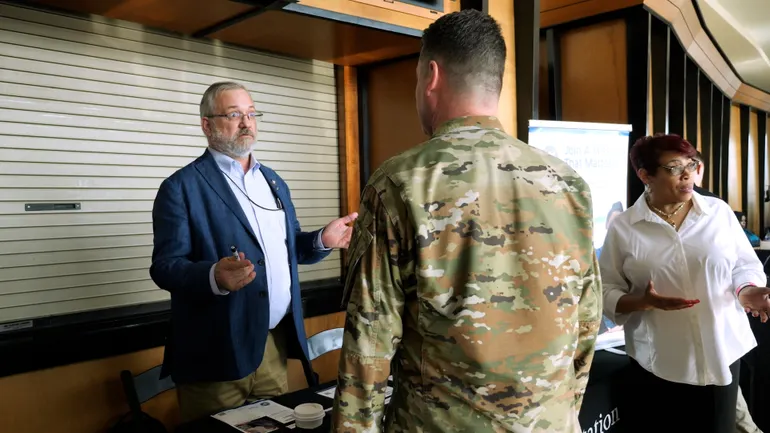
U.S. manufacturing faces about 627,000 job openings, while more than 200,000 military personnel transition out of service each year. Veterans possess leadership, safety awareness, and skills, but are often hindered by resume screening and perception gaps. This article explores, through case studies and expert opinions, how to pave the way for veterans to enter manufacturing.

FedEx and UPS 2024 Rate Increases: What Shippers Need to Know
FedEx and UPS will implement an average 5.9% rate increase in early 2024, lower than the 6.9% in 2023. The increase varies by distance, weight, and service type, with higher increases for expedited and long-distance shipments. Experts note that competition from regional carriers and Amazon Logistics is prompting the giants to adjust strategies, and shippers can leverage this to negotiate better contracts.
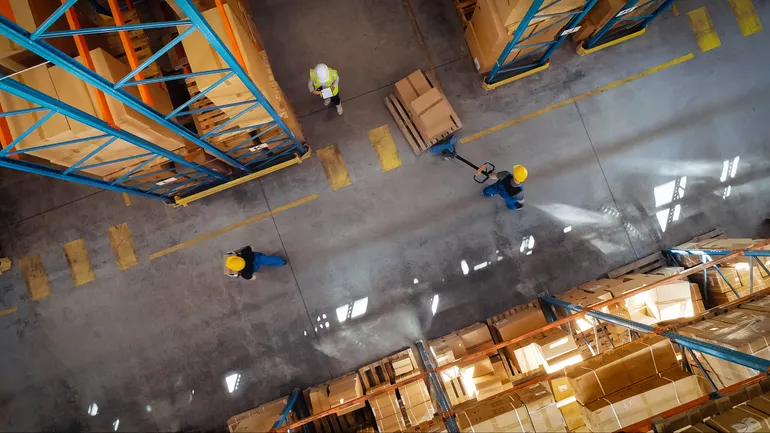
Data Interpretation: Comparison of Retailer Inventory Management Performance
In Q2 2023, multiple retailers and brands made significant progress in inventory management, with lower inventory levels, improved profit margins, and enhanced supply chain efficiency. This article compares and analyzes the performance of various companies through executive statements and key operational metrics, revealing the industry's strategies in response to weak demand.