
FedEx and UPS 2024 Rate Increases: What Shippers Need to Know
FedEx and UPS will implement an average 5.9% rate increase in early 2024, lower than the 6.9% in 2023. The increase varies by distance, weight, and service type, with higher increases for expedited and long-distance shipments. Experts note that competition from regional carriers and Amazon Logistics is prompting the giants to adjust strategies, and shippers can leverage this to negotiate better contracts.
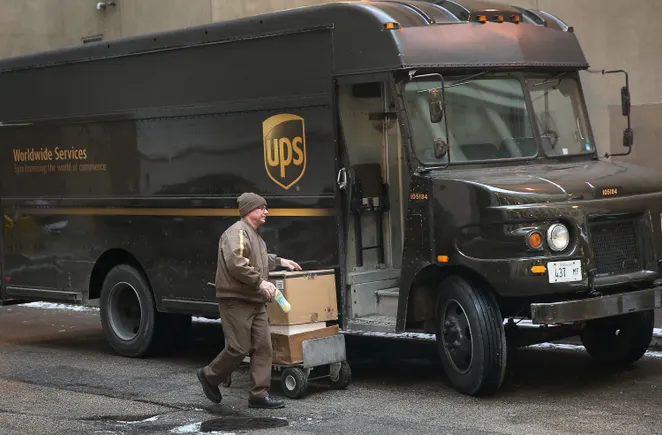
The parcel delivery market may be shifting in favor of shippers, but UPS and FedEx customers still have to contend with rate increases in 2024.
The two delivery giants announced that average rates for their various shipping services would increase by 5.9%, withUPS taking effect on December 26andFedEx on January 1. This increase is lower than the 6.9% announced by both companies in 2023, reflecting pressure from declining demand.
FedEx and UPS subsequently released full details of these rate increases and surcharges. Parcel spending experts say the two competitors' adjustments are strikingly similar, extending beyond the 5.9% average increase.
The following content will analyze which shipping types will face the largest increases, what this reflects in terms of the carriers' strategic evolution, and how shippers can mitigate the impact of higher delivery costs.
Increases target expedited and long-distance shipping
The 5.9% rate increases at FedEx and UPS are only averages. The actual increase a shipper faces varies depending on the shipping characteristics of each delivery, including:
- Shipping distance:Carriers measure distance in "zones," and rate increases for long-distance shipments will be higher than for short-distance ones. According to an analysis by LJM Group, the average increase for FedEx Ground and Air shipments in zones 2-4 is 5.91%, while the average increase for zones 5-8 is 6.39%. UPS shows similar differences.
- Package weight:At FedEx and UPS, heavier packages typically face higher rate increases than lighter ones. For example, according to an analysis by Shipware, packages weighing 1 to 5 pounds see a 5.5% rate increase in both companies' commercial ground services, while packages weighing 11 pounds or more see at least a 6% increase.
- Service used:Packages using faster shipping services typically see price increases higher than the 5.9% average. Shipware's analysis shows that FedEx and UPS set higher minimum rate increases for their air express services compared to slower ground services.
Overnight services see the highest increases
| FedEx Service | Minimum Rate Increase |
| Priority Overnight | 7.88% |
| Standard Overnight | 7.5% |
| 2-Day | 5.49% |
| Economy | 4.47% |
| Ground/Home Delivery | 5.94% |
| UPS Service | |
| Next Day Air | 7.91% |
| Next Day Air Saver | 7.51% |
| 2nd Day Air | 5.48% |
| 3 Day Select | 4.52% |
| Ground | 5.94% |
Source: Shipware analysis. Note: UPS increases effective December 26, 2023; FedEx increases effective January 1, 2024.
Shippers should also consider surcharges applicable to their shipments, which are not included in base rates but will also increase in 2024. Surcharges imposed by FedEx and UPS include fees for large and oversized items, packages requiring additional handling, and deliveries to remote areas.
Mingshu Bates, chief analytics officer at AFS Logistics, said UPS is adjusting the range of ZIP codes it considers rural or remote in the U.S., which will result in additional delivery fees for shippers.
UPS's classification of these ZIP codes has a significant impact on package shipping costs.In 2024, delivery area surchargeswill range from $3.95 to $7.70, while remote area surcharges will be $14.15 in all states except Alaska.
"If your shipments happen to fall into these 'lucky' or 'unlucky' ZIP codes, you'll see a huge difference in costs," Bates said.
FedEx and UPS respond to competition
The differences in rate increases reveal where FedEx and UPS face more intense competition in shipping types.
There are currently numerous regional carriers serving short-distance deliveries, and shippers can choose these companies, which are still expanding their service areas and capacity.
"I think this shows they feel competitive pressure from regional carriers, even though they're reluctant to admit it," said Paul Yaussy, senior consultant at Shipware.
FedEx and UPS also face competition in the lightweight package market, where packages don't require expedited delivery, even over long distances. Amazon Logistics is attracting shippers with prices below those of the delivery giants.
"Some of our clients have received quotes from Amazon Logistics that are quite competitive," Yaussy said. "We see their service guides are very similar to FedEx and UPS."
For expedited services on long-distance and heavier packages, competition is less intense, allowing FedEx and UPS to raise rates more without losing too many shippers. These shipments are also more costly for carriers, prompting them toreduce operating costsandimprove efficiency。
How shippers can mitigate the impact of rate increases
Despite rate increases, delivery demand remains weak, putting shippers in a favorable position to negotiate better contract terms. Parcel carriers are offering deeper discounts to secure volume, benefitingMacy'sandRent the Runwayamong other customers.
Nicholas Fanelli, managing director of Shippingwise, said the key to negotiation is that shippers must clearly understand their greatest strengths as a customer to negotiate lower fees.
"Are you sending multiple packages from the same origin to the same destination on the same day? If so, you have a strong case to negotiate certain surcharges, like fuel surcharges or residential surcharges, because the carrier is going there anyway," Fanelli said.
Experts told Supply Chain Dive that companies should also consider internal adjustments to avoid unnecessary shipping costs.
This could include exploring ways to reduce package dimensions, or splitting large items into two separate packages to avoid surcharges. If the destination is close enough to the origin, shippers can also choose cheaper ground shipping for time-sensitive shipments.
Kevin Miller, vice president of data insights at logistics software provider Sifted, said carriers welcome such adjustments from customers because they make their volume easier to handle.
"Carriers can also offer advice on how to optimize your network for efficiency," Miller said. "Doing so will save costs for both parties."
Editor's note: This article first appeared in our weekly logistics newsletter.Subscribe here。