
Mexico's Nearshoring Wave: A Supply Chain Shift Years in the Making
Mexico's nearshoring wave is not an overnight development but the result of years of trade agreements and industrial accumulation. The automotive industry attracts substantial foreign investment, and logistics companies are expanding their presence, yet investment concentration is evident. Combining data and expert perspectives, this article analyzes how Mexico has become a key link in the U.S. supply chain.
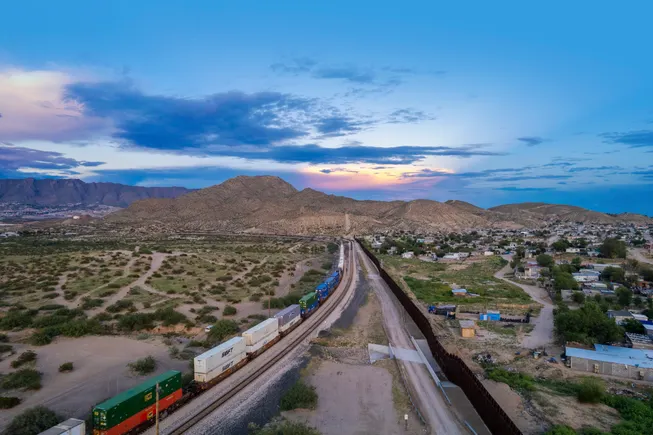
Mexico's position in the U.S. supply chain continues to rise, and its economy is experiencing ripple effects, but the benefits vary significantly across regions and industries. Experts told Supply Chain Dive that in recent years, Mexico has seen growth in the manufacturing of automobiles, electronics, medical devices, home appliances, equipment, and machinery. These changes come as companies consider nearshoring, and they are also driving logistics companies to increase investments in office networks or freight routes.
The U.S. role in trade data
The U.S. role in Mexico's manufacturing growth is clearly visible in trade data. Data analyzed by Supply Chain Dive shows that in 2022, 14% of total U.S. imports originated from Mexico. Meanwhile, U.S. companies have long been making financial investments in Mexico, accounting for 42% of total foreign direct investment in Mexico since 2006.
However, these investments have historically been concentrated in a few industrial sectors and states, a trend that has continued in the recent wave of nearshoring. The following, based on expert interviews and data analysis, takes a deeper look at Mexico's role in the U.S. supply chain.
Automotive industry leads growth
Whether through foreign direct investment or international procurement, the automotive industry holds a prominent share of Mexico's major trade indicators. In the first three quarters of 2023 alone, motor vehicle manufacturing attracted $5.4 billion in foreign direct investment, exceeding levels from any previous full year. For example, BMW, which has operated in Mexico for over 30 years, announced an $860 million investment this year to prepare for electric vehicle production at its San Luis Potosí plant. Tesla has also proposed building a gigafactory in Nuevo León.
Although this figure is driven by large automakers positioning to meet future electric vehicle demand, it also shows how global business dynamics can lead to waves of investment in specific countries.
"Large companies like Tesla also give rise to a larger ecosystem of supporting businesses," said Jessica Billedo, General Manager of Mexico Operations at Arrive Logistics.
Billedo detailed that Chinese automation technology supplier Noah Itech and Belgian glass supplier AGP Group have both announced significant investments in Nuevo León to supply Tesla.
Beyond automotive products, beverages, home appliances, electrical equipment, and medical supplies are also products with growing demand in Mexican manufacturing, according to U.S. import data analyzed by Supply Chain Dive.
Mexico's appeal to shippers
Mexico has long been a manufacturing partner for U.S. buyers, but a range of trade advantages has enhanced its nearshoring appeal. Eric Porras, Director of the MBA and MBA-GBS programs at EGADE Business School of Tecnológico de Monterrey, noted that the country's existing economic development and industrial maturity help attract investment. A broad supplier base means that when manufacturers land in Mexico, the ecosystem already exists.
Chip Barth, Managing Director of Global Supply Chain at TBM Consulting, also mentioned that a strong industrial base makes it easier for shippers to reshore or nearshore because "the knowledge, infrastructure, skilled labor, and technology may already exist in the country."
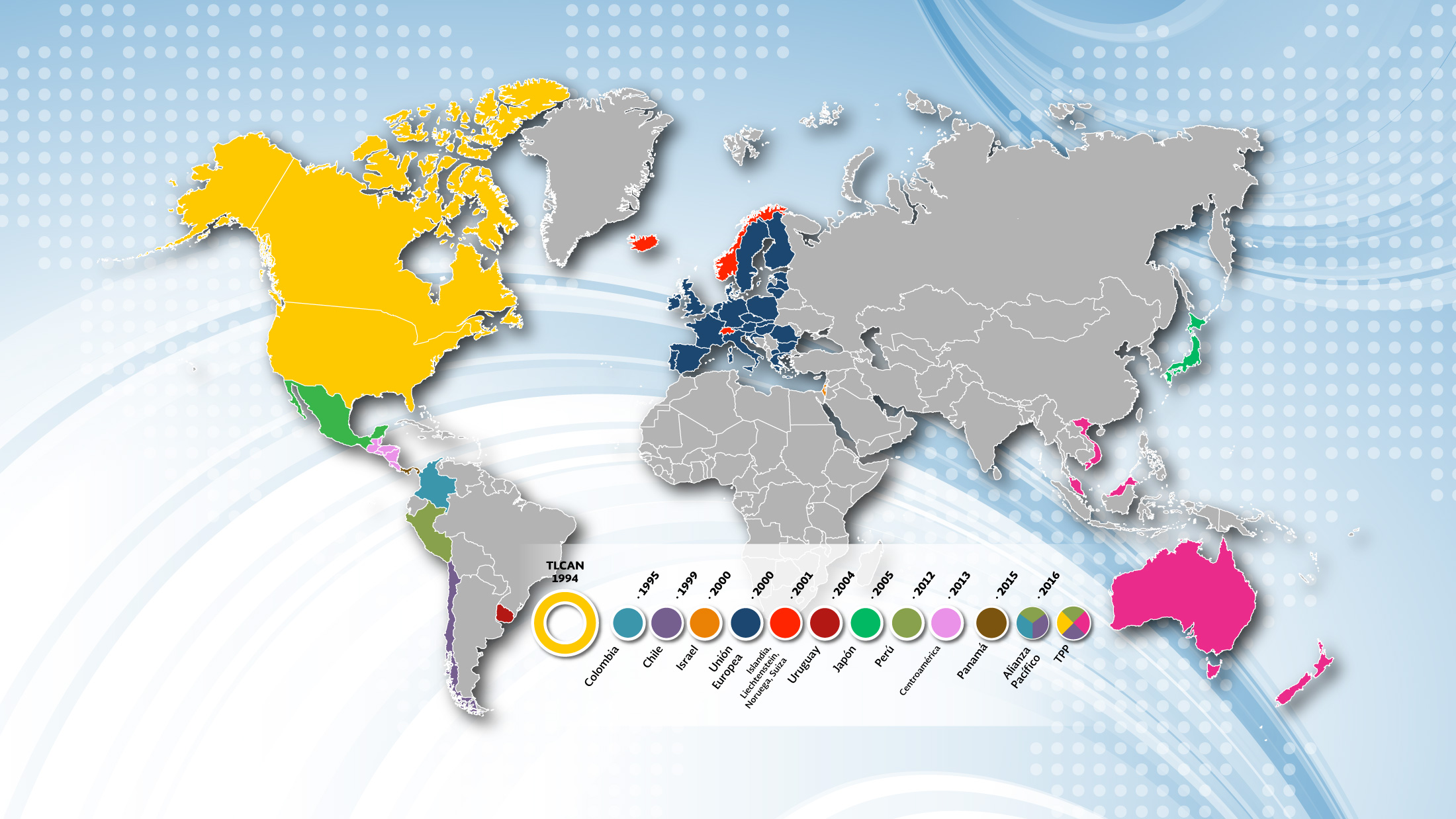
The country's global integration is equally key. The U.S. has free trade agreements with 20 countries, while Mexico has 14 trade agreements with 50 countries, making it an ideal destination for intermediate goods production. Additionally, the USMCA has strengthened Mexico's economic integration with its North American neighbors.
"Mexico, over the years, precisely because of the free trade agreement with the U.S., has built a very important manufacturing base in different industries—the automotive industry is a major success story," Porras said.
 Mexico's free trade agreements cover countries in South America, Europe, and Asia.
Source:Ministry of Economy, retrieved December 14, 2023
Mexico has become a convenient alternative for shippers who became overly dependent on Asian imports during the COVID-19 pandemic. Not only is the industrial infrastructure ready-made, but Mexico's proximity to the U.S. market saves executives time and transportation costs.
"Shorter lead times mean goods reach the end user faster, which is crucial in today's customer-first, on-demand market," Billedo said. "The best transit time from China to the U.S. is about 20 days to 6 weeks, while shipping from Monterrey, Mexico, to Detroit, Michigan, takes only 4 days or less."
The demand for speed and agility has driven the latest wave of investment in Mexican logistics services, especially in rail and trucking companies. Porras said that seeing rising shipper interest, Mexican policymakers have also proposed developing a rail corridor in the country's southeast, which could compete with the Panama Canal and save shippers days of lead time.
Billedo also emphasized shippers' desire for agility in their decision-making, noting that many want to improve their crisis response capabilities after the pandemic.
"When factories are in the same time zone and only a short flight away, production management is much easier," Billedo said. "So whether it's a minor issue at the plant or a major supply chain disruption, the proximity offered by nearshoring in Mexico is invaluable."
Correction: This article has been updated to reflect the correct last name and title of Chip Barth.