
Deep Dive
来自我们记者的行业洞察
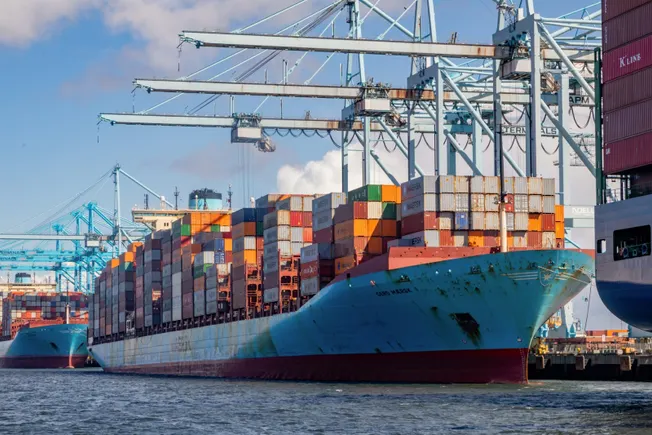
5 logistics trends to watch in 2026
In 2026, the freight market will have sufficient capacity and contract rates favorable to shippers, but tariffs, surcharges, and service risks remain challenges. Based on interviews with multiple industry experts, this article identifies key trends in five major areas—parcel, ocean, air, rail, and trucking—providing logistics managers with strategies to respond.

Supply chain shortages: What’s at risk in 2026?
In 2026, supply chain professionals will face shortages, rising costs, and shifting trade dynamics. Surging copper demand may lead to supply gaps, the US reliance on China for critical minerals is unlikely to change in the short term, medical supplies and pharmaceutical prices are expected to rise, memory chip constraints in the automotive industry will intensify, and beef supply will remain tight as cattle herds are at a 75-year low. Companies are responding by restructuring global networks, deepening supplier partnerships, and adjusting inventory and product portfolios.
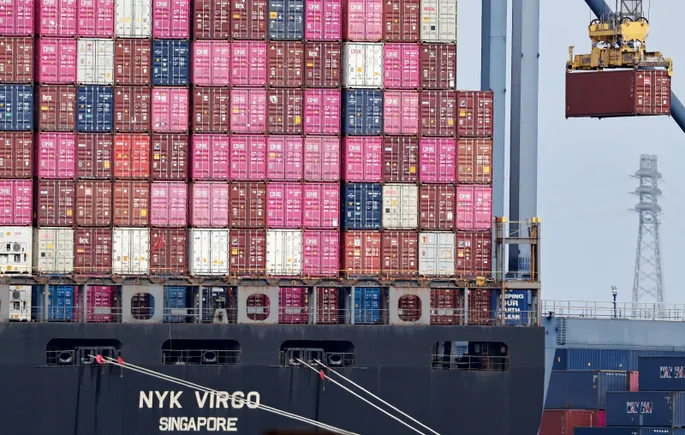
Five Major Trends in Supply Chain Management for 2026
In 2026, supply chain management faces five major trends: geopolitical fragmentation, economic volatility, cost pressures, adjusted AI expectations, and workforce challenges. Experts point out that companies need to shift from short-term responses to long-term structural adjustments to seize opportunities amid uncertainty.


Union Pacific and Norfolk Southern say merger will shorten full-truckload transit times, but shippers remain skeptical
Union Pacific and Norfolk Southern say the merged network can cut full-truckload transit times for east-west gateway exchanges by up to two days, while improving reliability and reducing costs. However, some shippers, citing precedents where previous mergers failed to deliver on service commitments, are skeptical of these expectations. Experts note that interchange delays and insufficient volume at gateways like Chicago may hinder the realization of direct services.

Notice to Cargo Owners: Potential for Tariff Refunds and Key Points
The White House states that new tariffs this year have generated over $150 billion in revenue, but the Supreme Court's hearing in November could change this situation. If ruled unlawful, the government may need to refund approximately half of the tariff revenue. This article analyzes the refund process, uncertainties, and how cargo owners can prepare.

A List of Tariff Tools Available to Trump: From IEEPA to Various Trade Law Provisions
The Trump administration's broad use of tariffs under the International Emergency Economic Powers Act (IEEPA) is set to be reviewed by the U.S. Supreme Court. Two federal courts have already ruled such actions unlawful. This article outlines other tariff tools available to the Trump administration, including Section 232 of the Trade Expansion Act of 1962, Sections 301, 201, and 122 of the Trade Act of 1974, and Section 338 of the Tariff Act of 1930, and analyzes the legal procedures, historical precedents, and potential limitations of each tool.

UPS Buyout Plan: Experts Assess Impact and Potential Risks
UPS is cutting costs through a voluntary buyout plan involving full-time drivers and operations managers, but experts note this move may bring service risks and intensify conflicts with the Teamsters union. The buyout plan aims to address declining Amazon business volume, but union leaders urge members to refuse, worrying about overtime issues and fulfillment of contractual obligations.
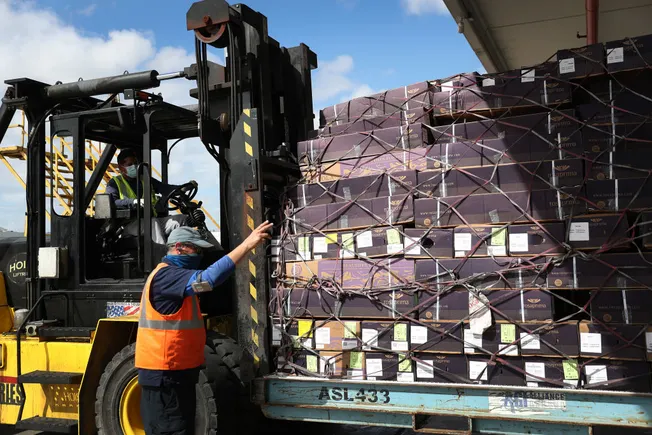
End of De Minimis Exemption: How Shippers Prepare for Peak Season and Beyond
The U.S. de minimis exemption will end on August 29, nearly two years earlier than originally planned. This move will affect e-commerce importers relying on the policy, bringing pricing and customs clearance pressures ahead of the Q4 peak season. Experts advise shippers to adapt to the new rules through bulk imports, domestic warehousing, and cost simulation.

Switch 2 Launches Amid Tariff Storm: Smooth Start, Daunting Challenges Ahead
Nintendo released the Switch 2 on schedule on June 5, and despite fluctuations in U.S. tariff policies, sales exceeded 3.5 million units in the first four days. However, as the summer stocking season approaches and the tariff suspension period nears its end, the company must formulate long-term strategies amid uncertainty to address supply chain restructuring and cost pressures.