
UPS Buyout Plan: Experts Assess Impact and Potential Risks
UPS is cutting costs through a voluntary buyout plan involving full-time drivers and operations managers, but experts note this move may bring service risks and intensify conflicts with the Teamsters union. The buyout plan aims to address declining Amazon business volume, but union leaders urge members to refuse, worrying about overtime issues and fulfillment of contractual obligations.
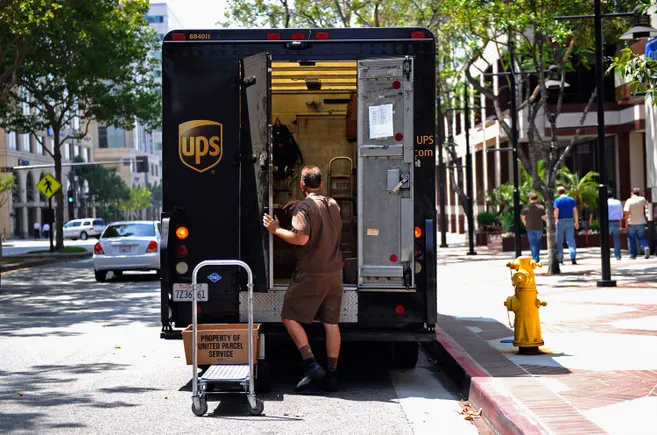
UPS is improving its financial situation through employee buyout programs, but industry observers point out that this move may bring service risks and trigger tensions with the International Brotherhood of Teamsters.
The delivery giant is implementingvoluntary buyout programs for full-time drivers(represented by the Teamsters union) and some U.S.operations managersto achieve the goal of cutting$3.5 billion in expensesthis year. Departures for drivers and managers are set to begin on August 31 and September 30, respectively. The company aims to align network staffing with expectations of reduced business volume from major customer Amazon.Reduced business volumeis expected to match.
"This clearly indicates they expect this portion of business volume not to recover," said Jeremy Tancredi, partner in operational excellence at West Monroe and former UPS industrial engineer.
The buyout incentive for drivers is $1,800 per year of service, with a minimum payment of $10,000. Experts say this is designed to attract high-paid senior employees to accept. Alan Amling, practice assistant professor at the University of Tennessee and former vice president of corporate strategy at UPS, noted that for drivers nearing retirement, this compensation may be worthwhile, but it has limited appeal to other employees.
This is not the first time UPS has attempted to streamline its workforce in recent years. In 2024, the company implementedtargeted layoffsin management and contract positions to respond to weak demand.
This year, streamlining efforts have continued, even before the buyout program began. From the first quarter to the second quarter, the number of employees covered by thenational contractbetween UPS and the International Brotherhood of Teamsters decreased by 14,000, accompanied bya wave of facility closures. The contract covers delivery drivers, package handlers, and other employee groups supporting network operations.
Risks of the buyout program
UPS executives said on a July 29 earnings call that driver interest in buyoutsmet company expectations, but did not provide further details. Meanwhile, the program further reduces union membership, and the union is resisting andurging members to refuse。
"Accepting a buyout is selling your soul, selling out your brothers and sisters," said Sean O'Brien, general secretary-treasurer of the Teamsters, last month onhis "Better Bad Ideas" podcast."
As the program progresses, one risk UPS faces is potential damage to long-term customer relationships, Tancredi noted. For example, new drivers may not know that a certain business prefers packages to be delivered to the back door rather than the front door.
But O'Brien said operational issues were already apparent before the driver buyouts began. The union leader said that given "severe overtime problems nationwide," drivers work up to 12 hours a day to complete deliveries, making it difficult for UPS to justify the buyout program. This leads to longer wait times for customers, O'Brien added.
He further noted that hiring more drivers would limit excessive overtime and help the company fulfill itsnational contract obligations, providing more full-time positions. The contract requires UPS to offer at least 22,500 full-time job opportunities to part-time employees.
"Accepting a buyout is selling your soul, selling out your brothers and sisters."
—Sean O'Brien, General Secretary-Treasurer, International Brotherhood of Teamsters
UPS did not directly respond to O'Brien's comments about overtime in an email to Supply Chain Dive, but said it remains committed to providing high levels of service while adjusting its network and staffing. UPS also said it is on track to meet or exceed staffing requirements in the national contract with the union.
Amling of the University of Tennessee said that for remaining drivers, as the holiday peak season approaches, UPS may require more overtime to fill service gaps. Under UPS's contract with the union, if existing employees cannot meet delivery demand, the company can hire seasonal support drivers during peak season.
Given that UPS expects Amazon's business volume todecline by more than 50%by June 2026, the reliance on overtime may ease. However, experts point out that if overall demand grows more than expected in coming quarters, delays may be more likely to occur during capacity expansion.
"While they save costs, cutting facilities and positions during an economic downturn is much easier than adding facilities and positions during an upturn," Amling said.
A partner in transformation
UPS may turn to long-term partner the United States Postal Service (USPS) to provide last-mile capacity while reducing delivery costs, said Mark Waverek, managing partner at PlaidMark Management and Consulting Services.
Earlier this year, the two carriersterminated the SurePost delivery agreement, under which UPS handed off some economy packages to the postal service for delivery. But the two sides arediscussing a possible restart of cooperation, involving the SurePost service now renamed Ground Saver, as UPS faces unexpected costs from delivering all packages internally.
"The union has done a good job fighting for workers, but unfortunately, the cost of serving the residential market is too high," Waverek said. "So UPS needs an outlet, a partner. I think the postal service would be an ideal partner."
Editor's note: This article first appeared in our Logistics Weekly newsletter.Subscribe here。
