
Tariffs and Iran War Prompt Ocean Shippers to Abandon Traditional Seasonal Shipping Patterns
At a media briefing on July 15, Port of Los Angeles Executive Director Gene Seroka noted that businesses are moving away from traditional seasonal shipping patterns and toward flexible transportation at favorable times. In June, the Port of Los Angeles handled over 1 million TEUs, its best performance for that period in 118 years, while the Port of Long Beach grew 10.6% year-over-year. Tariff policies, the Iran war, and rising fuel costs have increased uncertainty, and July cargo volumes are expected to remain strong.
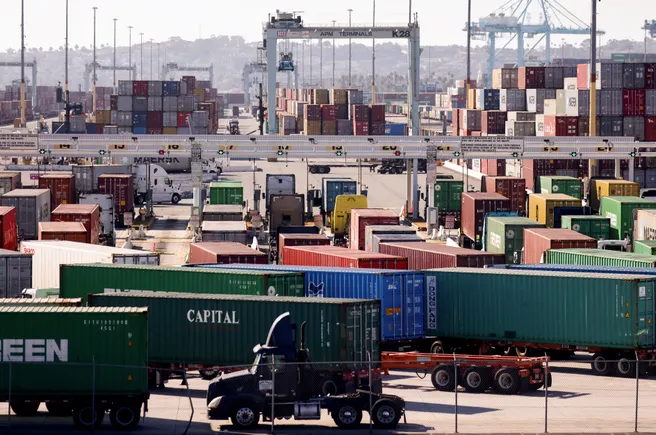
At a media briefing on July 15, Port of Los Angeles Executive Director Gene Seroka said that businesses are gradually moving away from the traditional seasonal shipping model, no longer waiting for the "perfect timing" but seizing any favorable window to transport goods. This shift reflects profound changes in the global trade environment.
"In other words, retailers are making strategic decisions about when to ship and how much to ship, balancing back-to-school and holiday demand against tariffs, rising fuel costs, and global uncertainties," Seroka said at the briefing.
Since the start of this year, port cargo volumes have remained strong as retailers and manufacturers front-load shipments to hedge against ongoing supply chain uncertainties, giving rise to an early peak season. According to industry data, June import demand drove the Port of Los Angeles to handle over 1 million twenty-foot equivalent units (TEUs), marking the port's best June in its 118-year history.
The Port of Long Beach also performed strongly. According to a report released on July 14, the Port of Long Beach handled nearly 780,000 TEUs in June, up 10.6% year-over-year; among which imported TEUs rose 11% year-over-year to 387,025 TEUs.
Seroka revealed that data indicates July will be another strong month, with cargo volume at the Port of Los Angeles expected to exceed 900,000 TEUs.
Key data for the Port of Los Angeles in June
- Total throughput:1,002,734 TEUs, up 12% year-over-year
- Loaded imports:530,558 TEUs, up 13% year-over-year
- Loaded exports:126,365 TEUs, flat year-over-year
- Empty containers:345,811 TEUs, up 17% year-over-year
However, Seroka noted that the situation after July "becomes more unpredictable" as businesses adapt in real time to changing conditions. Influencing factors include trade policies and the trajectory of Section 122 tariffs, which are set to expire on July 24.
The Iran war also continues to impact shipping costs, further exacerbating uncertainty. Currently, fuel accounts for more than 30% of a vessel's single-voyage costs, and Seroka said shipping companies may adjust bunker surcharges in the coming period.
"So, you will see fees rise somewhat, and when oil prices fall, surcharges typically remain elevated and take time to come down to levels consistent with current market conditions," Seroka said.
Looking ahead, Seroka said that the port's import and export operations teams will continue to conduct simulation drills for scenarios such as new tariffs and rising fuel prices, and will reassess after the drills to determine how to respond to any new situation.
"That's why retail has moved goods and inventory forward—because they don't know what will happen after Section 122 expires and cannot make specific predictions," Seroka added.