
DHL Global Forwarding adds Bangkok-Cincinnati route, expanding transpacific air freight capacity
DHL Global Forwarding announced on July 9 the addition of a thrice-weekly cargo flight route from Bangkok to Cincinnati, aimed at providing shippers with more stable flight schedules and predictable costs. The route has been operating since July 1, with a capacity of 100 tons per flight, suitable for oversized and high-value cargo. This move is part of DHL's strategy to expand its air freight network, and it has recently also increased capacity between Asia and Europe. Currently, the technology sector is the main driver of additional capacity demand in Southeast Asia.
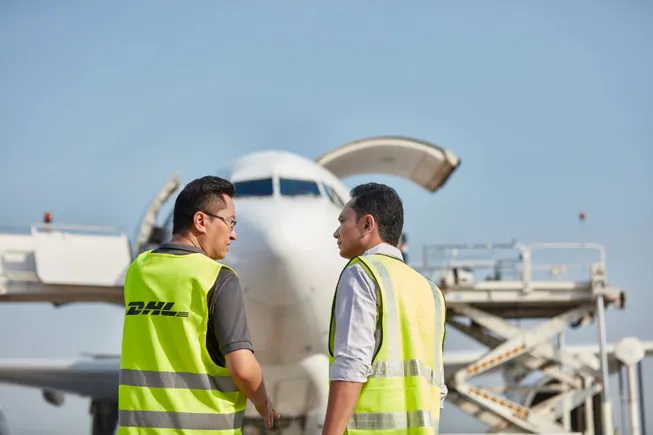
DHL Global Forwarding issued a press release on July 9, announcing the addition of a new cargo route with three weekly flights connecting Bangkok (BKK) and the Cincinnati (CVG) hub, to expand its trans-Pacific air freight capacity.
According to the press release, the route aims to provide shippers with more stable flight schedules and predictable costs. DHL Global Forwarding's trans-Pacific network also includes flight operations from Hanoi (HAN) and Taipei (TPE) to U.S. hubs such as Chicago (ORD).
This widebody freighter route has a capacity of 100 tons per flight, suitable for transporting oversized and high-value cargo. Spokesperson Laura Lehnen told Supply Chain Dive that the air freight service launched on July 1.
"The strategic importance of Southeast Asia as a manufacturing and sourcing region continues to grow," said Henk Venema, Global Head of Air Freight at DHL Global Forwarding, in the press release. "With the new Bangkok-to-Cincinnati route and broader trans-Pacific network coverage, we are providing customers not only speed and capacity but also the reliability and control they need to build more resilient supply chains."
This new air freight service is part of DHL Global Forwarding's strategy to expand capacity in its air freight network, according to the press release. For example, the freight forwarder has recently also added capacity between Asia and Europe.
Currently, the technology sector is the main driver of additional capacity demand in Southeast Asia, Lehnen said.
According to Xeneta's report this month, trade routes from Northeast Asia and Southeast Asia to North America have seen significant growth over the past month, driven by air freight demand from AI hardware and semiconductor shipments. In June, air freight demand rose 7% year-over-year, mainly driven by volumes related to AI hardware, especially on Asia-Pacific to North America trade routes. Xeneta stated that these volumes offset the decline in e-commerce traffic.
Niall van de Wouw, Chief Air Freight Officer at Xeneta, pointed out that supply-demand dynamics are driving up rates on the trans-Pacific corridor, with spot rates in the last week of June surging over 40% compared to the end of February.
Editor's note: This story was originally published in our Logistics Weekly newsletter. Pleaseregister here。