
Mitsubishi Motors Partners with Texas Port to Strengthen U.S. Vehicle Distribution Network
Mitsubishi Motors North America announced an agreement with port operator AMPORTS and the Port of Freeport, Texas, to enhance its vehicle distribution capabilities along the U.S. Gulf Coast and Midwest. This initiative aims to accelerate vehicle delivery by optimizing logistics processes and enhancing supply chain flexibility.
At a Glance
- Mitsubishi Motors North America has reached an agreement with port operator AMPORTS and the Port of Freeport, Texas, to expand its access to the Gulf Coast and Midwest markets, according to a July 7press release。
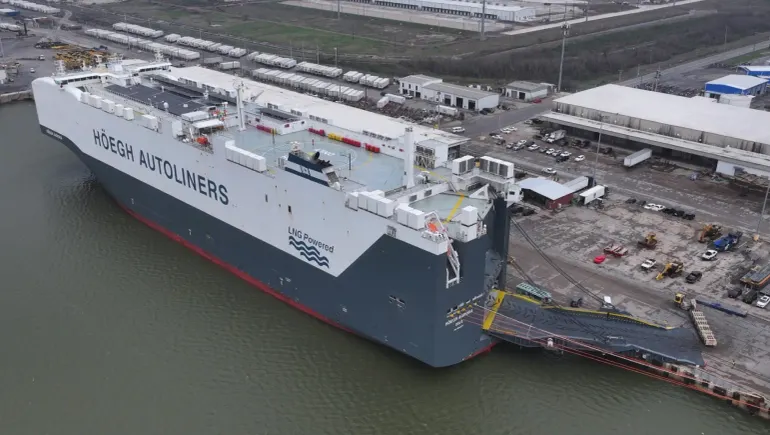
- Under the agreement, the automaker selected the Port of Freeport as a transshipment point to import more vehicles from Japan to the Texas Gulf Coast, aiming to accelerate vehicle delivery to dealer partners, Jeremy Barnes, senior director of communications and events at Mitsubishi Motors North America, said in an email to Supply Chain Dive.
- Because the Port of Freeport offers convenient access to Midwest automotive markets, Mitsubishi Motors can shorten inland transportation distances, improve delivery times, and support a more flexible supply chain, according to the press release.
Deep Dive
Mitsubishi Motors is continuously strengthening its U.S. distribution network to adapt to evolving automotive supply chain demands.
Vehicle transportation has special complexities due to its large size and difficulty in moving, Barnes said. Building efficiency into the system helps Mitsubishi Motors meet customer expectations, he said.
"These capabilities are provided through the port's infrastructure and its tenants and industry partners, and can include vessel operations, terminal services, vehicle processing, storage, and truck and rail connections," Barnes said.
AMPORTS' responsibilities include receiving the automaker's vehicles with stevedoring teams and directly transferring cargo to an on-site vehicle processing facility, where vehicles undergo pre-distribution preparation. Together, these services help reduce operational complexity and enhance coordination across the supply chain, according to the press release.
Mitsubishi Motors began operations at the Port of Freeport on April 28, with more than 500 vehicles arriving that month. Operations have been running smoothly since the partnership began, Barnes said.
Vehicle imports continue to grow at multiple U.S. ports, such as the Port of Charleston, which plans to enhance rail infrastructure and vessel parking areas at its North Charleston terminal to support the state's growing automotive industry.