
USPS Plans to Adjust Delivery Unit Partnership Model, Raising Service and Cost Concerns
The United States Postal Service (USPS) is considering adjusting its partnership model with shipping consolidators, proposing to move package delivery points from end delivery units upstream in the network. Experts point out that this change could affect service levels, push up end prices, and prompt consolidators to reassess their partnerships.
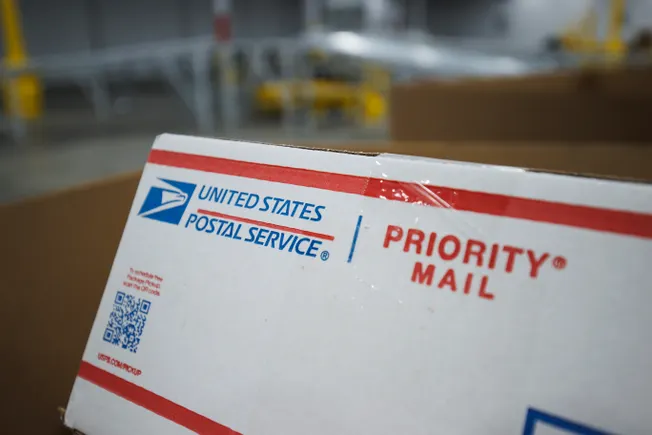
The U.S. Postal Service is considering adjusting how it works with key shipping partners. Experts say this move could challenge service levels and put pressure on delivery prices.
According to multiple experts who spoke to Supply Chain Dive, the proposed changes would affect shipping consolidators—companies that consolidate customer packages and deliver them to Postal Service facilities for last-mile delivery. Consolidators including DHL eCommerce, OSM Worldwide, and Pitney Bowes play a significant role in USPS package delivery, leaving shippers concerned about the potential broad impact of any changes.
"This will ultimately translate into price increases for end customers," said Derek Lossing, former head of Amazon logistics and now founder and principal consultant at Cirrus Global Advisors.
Specifically, multiple experts told Supply Chain Dive that USPS has engaged with key partners to discuss the facility access points used by shipping consolidators to enter its network, as well as the negotiated rate discounts associated with that process.
The Postal Service wants consolidators to drop off packages further upstream in its network, rather than delivering bulk packages to delivery units—the last stop in the agency's network before packages and mail reach their final addresses.
Consolidators are no strangers to introducing bulk packages earlier in the Postal Service network, but they often prefer to inject packages further downstream at delivery units to gain more control over customer shipments and unlock larger discounts.
This change could expose more shipments to delivery delays within the agency's network—USPS has been facing challenges with delivery timeliness amid the ongoing "Delivering for America" reforms.
An industry source with direct knowledge of the proposal emphasized that this change is not imminent. Instead, it is in themidst ofa large-scale network overhaul, and the Postal Service is in early discussions with consolidators about transition plans to exit the delivery unit injection model.
"There is an overarching guideline that discounted rates for [delivery unit] injections will be eliminated, but the specifics of the alternative have not been further defined," the source said of the Postal Service's proposal.
The Postal Service declined to comment.
Changes could reshape the worksharing partner landscape
Historically, the Postal Service has benefited from consolidators bringing bulk packages closer to the end of the delivery process.
This arrangement, known as "worksharing," allows the agency to avoid costs and operational pressures associated with additional package handling and sorting. The Postal Service Office of Inspector General noted in a2018 reportthat the majority of its commercial packages and mail benefit from worksharing discounts.
Experts say that if delivery unit bulk injections and their associated discounts decrease in the future, it would complicate these companies' ability to provide reliable, low-cost services through the Postal Service. Relying more on the agency further along the delivery process would mean greater exposure to potential delays in its network.
"Our discussions with USPS are in early stages, exploring how we can continue to work together to achieve its goals while maintaining the same level of service for our customers," said Andrea Scarpulla, a spokesperson for DHL eCommerce, in an email.
According to Oscar Gladman, director of parcel carrier development at Geodis, this potential move could be an attempt by the Postal Service to build more direct relationships with shippers that use worksharing partners, while advancing its long-term cost-saving goals. The agency has seen growth in itsGround Advantage shipping service, which competes with FedEx and UPS and was a bright spot in an otherwise sluggish quarterly performance.
"Why not push that volume a bit further upstream, charge a higher rate for injecting at that point, and then suddenly Ground Advantage might look a bit more competitive?" Gladman said.
Consolidators might consider shifting volume to other carriers to maintain delivery speeds that meet customer demands.
"Don't assume that if these changes are made, regional carriers won't gain a lot of [volume]," said Jim Cochrane, CEO of the Package Shippers Association. "I think they will."
Proposal aligns with Postal Service's long-term plans
Recently, the agency's service challenges have drawn national attention and come underscrutiny from lawmakers, as Postmaster General and CEO Louis DeJoy advances network reforms under the 10-year "Delivering for America" plan.
As part of that plan, the agency isconsolidating some delivery unitsinto larger sorting and delivery centers to optimize its facility footprint. The Postal Service said in a2023 reportthat it is evaluating more than 100 potential sites for new sorting and delivery centers across the country to provide faster service between local retailers and consumers.

Amid this adjustment, consolidators are working to ease concerns that changes to delivery unit injections are imminent. While reforms will affect current network access points, Kevin Collins, president of ACI Logistix, a Postal Service worksharing partner, told Supply Chain Dive that legal challenges, congressional inquiries, and involvement from the Postal Regulatory Commission could delay or affect any future plans.
Lossing of Cirrus Global Advisors said building direct relationships with the Postal Service could help shippers that rely on consolidators avoid additional costs from potential changes. However, he noted that consolidators still offer advantages worth considering for shippers.
"Pitney Bowes can get a contract signed within a few weeks, and then you can start shipping with them," he said. "But the Postal Service may not be that way."