
Freight
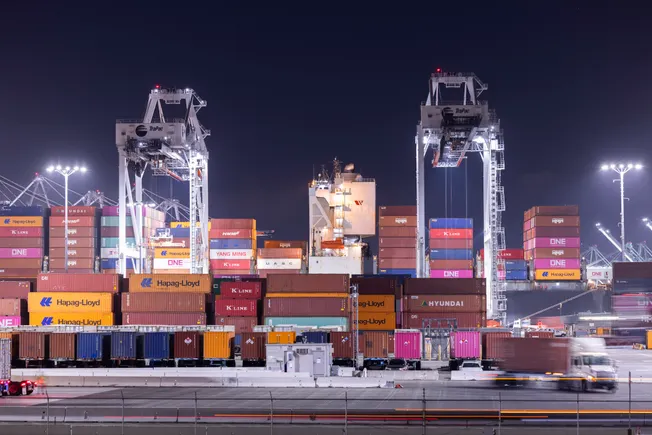
Retailers stocked up for upcoming holiday season
The Global Port Tracker report jointly released by the National Retail Federation (NRF) and Hackett Associates shows that container imports at major U.S. ports increased 13.2% year-over-year in June, but July is expected to see a year-over-year decline of 7.6%. Jonathan Gold, NRF's vice president for supply chain and customs policy, said that despite uncertainty from tariff policy changes, retailers have fully stocked up for the upcoming holiday season.
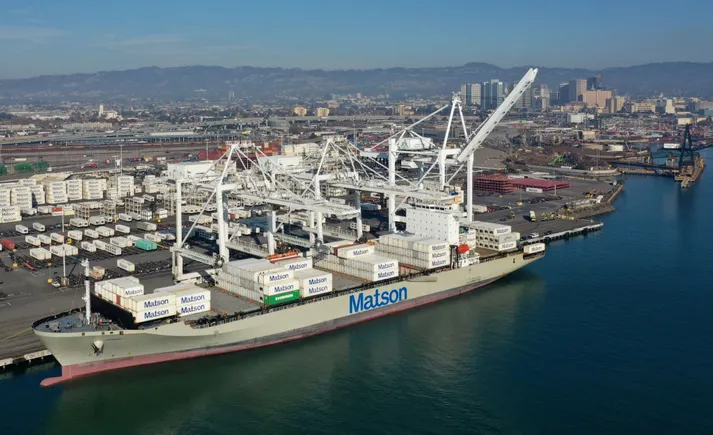
China export frontloading fuels Transpacific trade, Matson says
Matson disclosed during its earnings call that in the second quarter, customers replenished inventory early and front-loaded seasonal goods, boosting export demand from China and Southeast Asia, with demand for its China express services CLX and MAX continuing to exceed capacity. Trans-Pacific container volumes grew 15.2% year-on-year, with the Port of Long Beach, Port of Los Angeles, and Port of New York and New Jersey all reporting strong volumes, widely attributed by the industry to front-loading shipments amid tariff and geopolitical uncertainties.
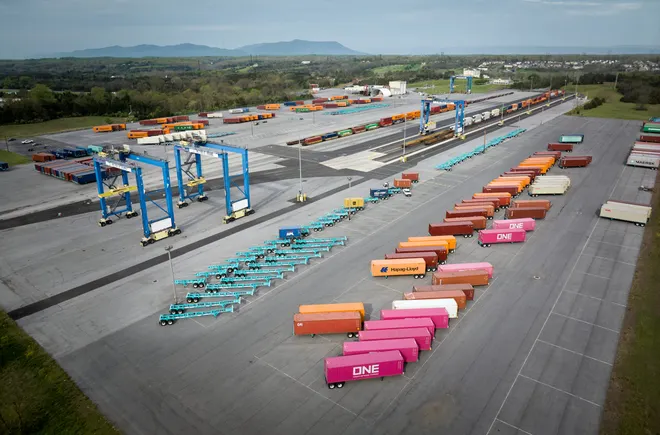
Port of Virginia adds CSX rail service to Indianapolis
The Port of Virginia has added direct service to Indianapolis via CSX rail, with a five-day transit time. The service aims to offer Midwest importers an alternative route that bypasses Chicago congestion and strengthens the port's market reach into traditional manufacturing and population centers.
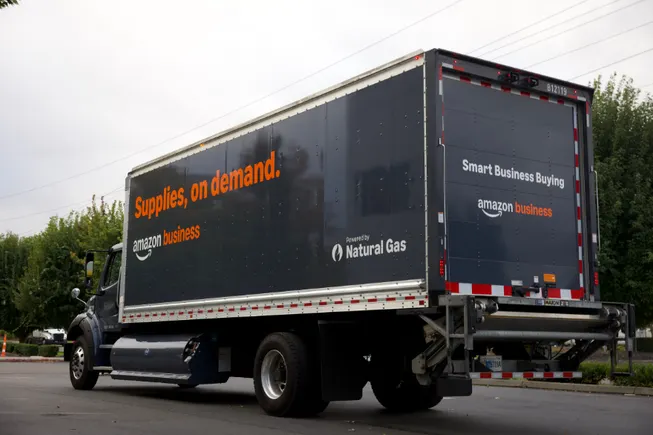
Amazon taps fulfillment model for dedicated, branded delivery trucks
Amazon Business announced the launch of branded delivery trucks in 13 states, providing centralized unloading and palletized delivery services for organizational customers. The service leverages Amazon's fulfillment network, which achieved 500 million deliveries in 2023.
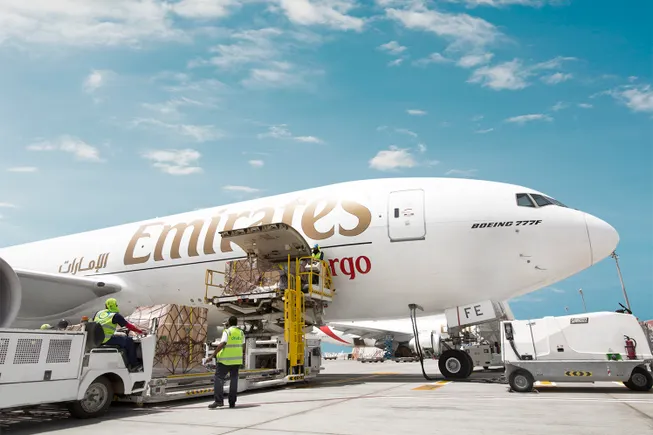
Three Key Factors May Shape the Air Cargo Market in the Second Half of 2026
According to Xeneta's Air Cargo Outlook Update released in July, slowing global economic growth, continuously rising freight rates, and surging demand for AI hardware will profoundly impact the air cargo market over the next six months. This article outlines three key factors: slowing demand and capacity growth, upward revisions in freight rate expectations, and AI's continued role as the strongest growth engine.
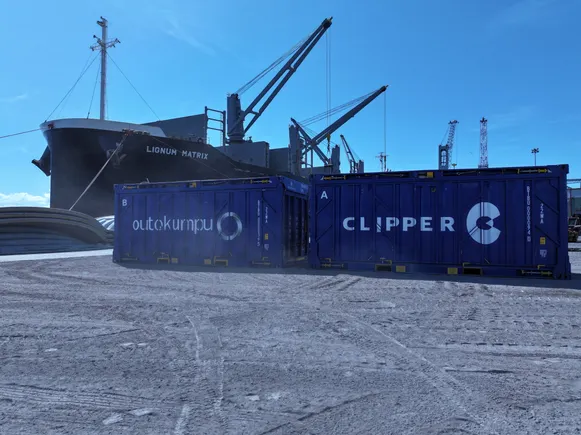
Steel producer adopts collapsible containers to optimize transportation and reduce costs
Steel producer Outokumpu, by adopting collapsible containers to transport steel between Mexico and the Port of Mobile, Alabama, effectively reduces transportation costs, lowers emissions, and promotes the recycling and reuse of stainless steel scrap.
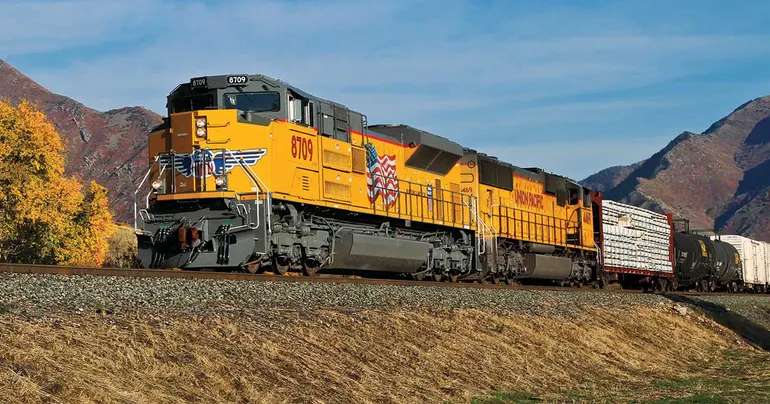
Canadian National reaches agreement with Union Pacific not to oppose its merger with Norfolk Southern
Canadian National and Union Pacific reached a memorandum of understanding, committing not to oppose the latter's merger with Norfolk Southern, subject to approval by the Surface Transportation Board (STB). In exchange, Canadian National will gain access to certain facilities and line operating rights to enhance its connectivity in the U.S. Midwest and cross-border corridors.

Beyond Tool Stacking: Building Supply Chain Stability Through Collaborative Orchestration
Facing ongoing market volatility, logistics teams often fall into the trap of tool stacking. Uber Freight argues that the key to supply chain stability lies in connecting people, processes, and technology through a unified operating model, with a single accountable partner responsible for end-to-end execution. This article analyzes the pain points of fragmented networks, the value of a unified operating model, and how multi-shipper collaboration enhances network resilience.
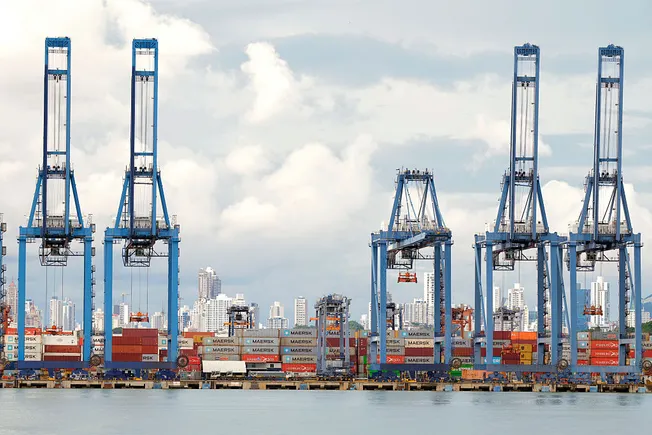
Panama Canal Water Level Crisis: MSC and CMA CGM Raise Surcharges
The ongoing drought in the Panama Canal has caused water levels to drop, leading Mediterranean Shipping Company (MSC) and CMA CGM to successively announce adjustments to Panama Canal surcharges. MSC has introduced a new surcharge of USD 100 per TEU, effective August 19; CMA CGM has increased its surcharge from USD 40 to USD 100, effective July 25. The Canal Authority also plans to further reduce the maximum vessel draft and is considering limiting daily booking slots.
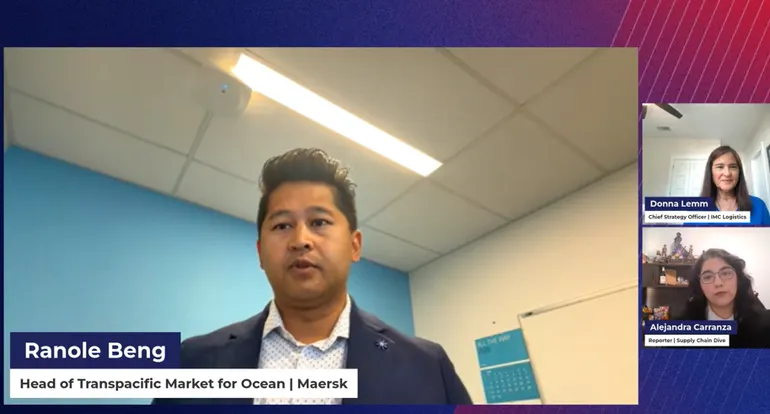
Logistics Resilience Faces Multiple Shocks in 2026
During the online event 'Supply Chain Outlook: 2026 Trends and Risks' held on July 15, multiple logistics executives pointed out that in 2026, the logistics industry is facing multiple challenges including trade policy volatility, capacity tightening, cargo theft, and geopolitical conflicts. Although industry resilience has been tested, maintaining agility and flexibility remains crucial in the future.