
Steel producer adopts collapsible containers to optimize transportation and reduce costs
Steel producer Outokumpu, by adopting collapsible containers to transport steel between Mexico and the Port of Mobile, Alabama, effectively reduces transportation costs, lowers emissions, and promotes the recycling and reuse of stainless steel scrap.
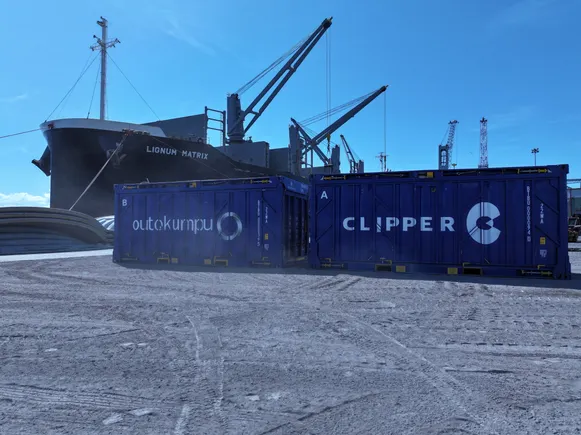
In-Depth Briefing:
- According to an email press release issued on July 22, steel producer Outokumpu is using collapsible containers to transport steel more efficiently between Mexico and the Port of Mobile, Alabama.
- The collapsible containers are designed to help reduce shipping costs, lower emissions, and recycle and reuse stainless steel scrap, the press release said.
- Outokumpu handles approximately 230,000 tons of cargo annually at the Port of Mobile and operates a steel mill in Calvert, Alabama. The company uses the steel handling facility Alabama Steel Terminal and shipping company Clipper Bulk to handle the cargo.
In-Depth Insight:
Because scrap steel is difficult to transport, Outokumpu had been looking for more efficient cargo handling solutions, according to acase studyreleased by the Alabama Port Authority. The collapsible containers, designed by Box2Build, addressed the company's concerns, easing space constraints at the Port of Mobile without affecting the export shipping of finished steel.
"Transporting empty containers to collect scrap steel was simply not feasible; vessel space is already very tight. The collapsible containers provide a solution, allowing four containers to be stored in the space that previously held just one," the press release quoted.
The collapsible containers are stacked when exported, sometimes in groups of four, helping to minimize space usage on fully loaded vessels. In Mexico, the containers are unfolded or expanded and loaded with scrap steel from regional operations. The ocean vessels then sail to the Port of Mobile in Alabama.

At the Alabama Steel Terminal, containers are unloaded, temporarily stored, and prepared for inland transportation. Since empty containers can be stacked, fewer truck trips are needed compared to a truck transporting one container at a time.
As part of the final process, the scrap steel is transported to Outokumpu's Calvert steel mill. The scrap is remelted at the mill and converted into stainless steel products.
Cost savings realized by Outokumpu include: reduced need for dedicated scrap transport, lower container damage and replacement costs, and fewer truck trips due to the stackability of empty containers.
"This initiative demonstrates how infrastructure, terminal expertise, and industry partners like AST, Clipper, and Outokumpu can work together to create smarter, more sustainable supply chains," Cameron Gibson, steel shipping liaison for the Alabama Port Authority, said in the case study.