
Canada Post Strike Risk: Strategic Steps for Shippers to Mitigate Delivery Disruptions
Canada Post may face another labor disruption as contract talks stall. Shippers should assess negotiation status, potential impacts, and contingency strategies to minimize service interruptions.
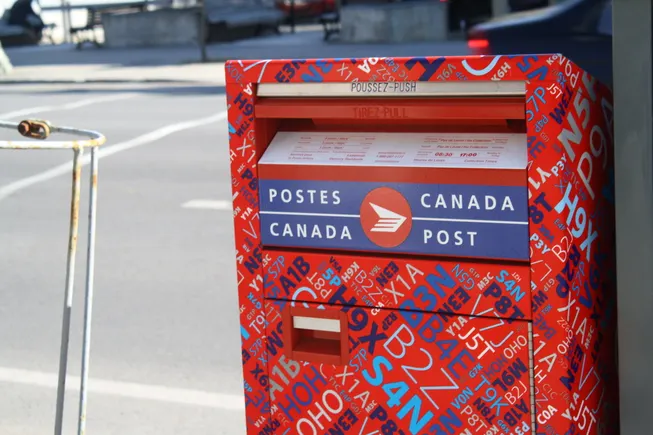
Canada's parcel delivery sector is bracing for a possible renewed strike at Canada Post, which could shift shipping volumes to alternative carriers and cause nationwide delivery delays. The government-owned carrier experienced a work stoppage last year during peak season, halting holiday shipments for over a month until the Canada Industrial Relations Board intervened, resuming operations on Dec. 17. A similar disruption may occur if no new long-term agreement is reached by next month.
Current collective agreements between Canada Post and the Canadian Union of Postal Workers (CUPW) are set to expire on May 22. In an April 3 update, Canada Post warned that a labor disruption is possible on or after that date, and stated it would collaborate closely with customers to mitigate potential impacts. The carrier acknowledged the timing is not ideal, but emphasized the need to provide businesses with essential information for decision-making.
Below are three critical questions shippers should address when developing contingency plans.
Where Do Contract Negotiations Stand?
Negotiations have shown limited progress this year, with both parties reporting a breakdown in talks in early March. A central issue is the handling of weekend delivery. Canada Post proposes creating a new part-time workforce for weekend deliveries and adjusting staffing to match fluctuating volumes, arguing these changes are necessary to remain competitive. CUPW opposes this approach, advocating for full-time employees wherever possible, stating that managerial flexibility comes at the expense of workers who face unstable hours due to shifting consumer demand.
An industrial inquiry commission, established by the government, will submit a report with recommendations to Canada's Minister of Labour by May 15—one week before the potential strike date. Despite this timeline, experts doubt a deal will be reached in time. Alison Layfield, director of product development at ePost Global, noted, "The potential of [a] strike, for which would be the soonest would be May 22, is highly likely. So many of us in the industry are already preparing for this."
How Would a Strike Disrupt Deliveries?
Canada Post is often the preferred carrier for direct-to-consumer shippers due to its nationwide coverage and lack of residential surcharges, according to Imtiaz Kermali, VP of sales and marketing at eShipper. It also serves as a critical last-mile partner for other carriers, especially for rural addresses. During last year's strike, shippers scrambled to reroute volumes to alternative carriers, which imposed restrictions such as service pauses and volume caps to manage the influx.
Data from project44 indicates that Canada's on-time delivery performance declined by 14% during the strike. Shippers typically use an average of more than three carriers for last-mile shipments to or from Canada, compared to six for the overall last-mile market. Additionally, carriers like UPS can charge up to 40% more than Canada Post for similar services.
However, a late May strike might be less disruptive than the previous one, experts suggest. E-commerce volumes are currently soft due to tariff-driven uncertainty, leaving ample capacity. Maggie Barnett, CEO of LVK Logistics, a fulfillment provider in Canada and the U.S., explained, "There's still going to be disruptions. But instead of seven- or eight-day delays, we would see three- to four-day delays on some of these items, with potentially longer times for pickups from the fulfillment centers."
Other carriers have expressed readiness. FedEx stated it has a plan to maintain reliable service even with increased demand. Purolator is incorporating lessons from the last strike into its contingency plans, ensuring strong service for existing customers. Neither carrier disclosed specific details of their plans.
Despite preparedness, carriers may not open their networks to all shippers seeking temporary solutions. Kermali warned that managing a volume surge is resource-intensive and risks alienating premium customers if service quality drops. "Carriers want to avoid that, because then their premium customers that they treat are also affected by a small, quick surge of business that comes in and goes out," he said. "So businesses need to prepare to ensure that they have a network readiness plan."
What Should Shippers Do to Prepare?
Shippers should secure alternative arrangements in advance, either through direct carrier contracts or third-party logistics providers. They must also evaluate cost and coverage implications of switching carriers, especially for letter mail or rural deliveries, which may see significant price increases. Transparent communication with customers about potential delays and available options is crucial.
For example, if a company uses Canada Post for standard delivery and private carriers for expedited shipping, it could recommend expedited options to ensure timely orders. Layfield also suggested asking customers with PO boxes to provide physical street addresses to avoid disruptions. "There doesn't necessarily have to be an interruption or delay in their package delivery if, say those customers with a PO box can provide a physical street address instead of that PO box," she said.

