
Deep Dive
来自我们记者的行业洞察
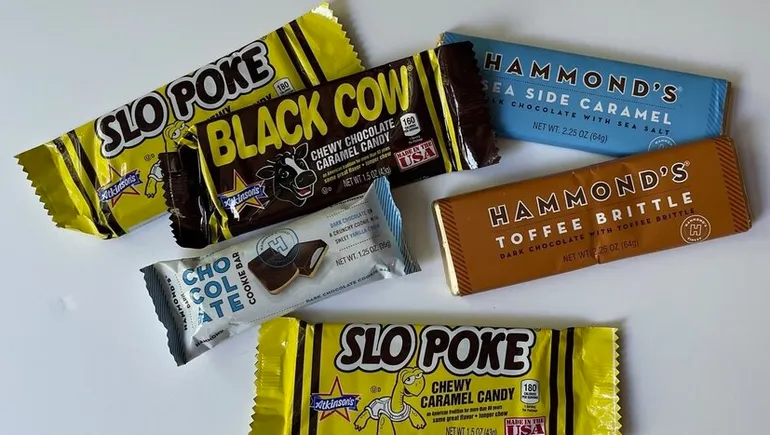
Supply chain pressures persist, forcing small and medium-sized U.S. candy makers to restructure their operations
Small and medium-sized candy manufacturers in the U.S. are facing multiple challenges, including labor shortages, rising logistics costs, and unstable raw material supplies. To cope with these difficulties, companies are forced to adjust their recruitment strategies, procure raw materials in advance, and re-evaluate their business models to survive in a volatile market environment.
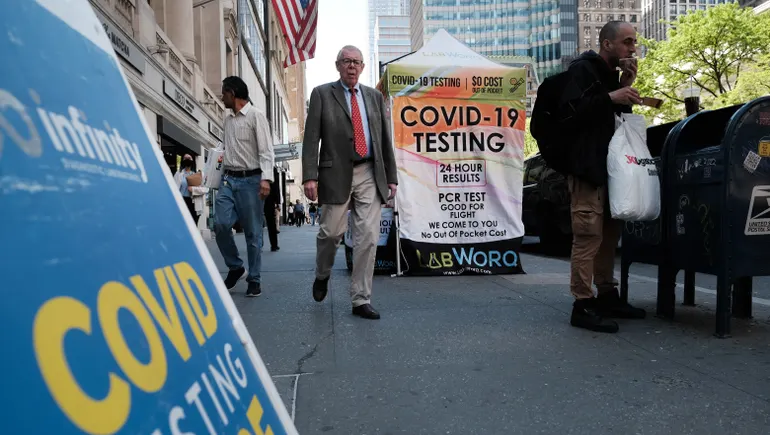
As demand for COVID-19 testing recedes, diagnostic reagent manufacturers accelerate strategic transformation
The COVID-19 pandemic fueled revenue growth for a number of small and medium-sized diagnostic reagent companies, but as schools, businesses, and government agencies gradually scale back large-scale testing programs, these firms are being forced to rapidly adjust their business models to survive. Industry experts note that demand for home self-testing will not fade in the short term; some companies have partnered with pharmacy chains and distributors to tap into the consumer market, while others are shifting toward multi-pathogen testing. The future direction of the U.S. FDA's Emergency Use Authorization has become a key regulatory milestone of shared concern across the industry.

The Supply Chain Odyssey of 'Lady Day': How a Picture Book Experienced the Pains of Global Logistics
A photography book about Billie Holiday reached readers more than two months after its scheduled release date due to supply chain issues such as a grounded cargo ship and port congestion. This incident reflects the fragility and unpredictability of global logistics amid the pandemic and multiple shocks.
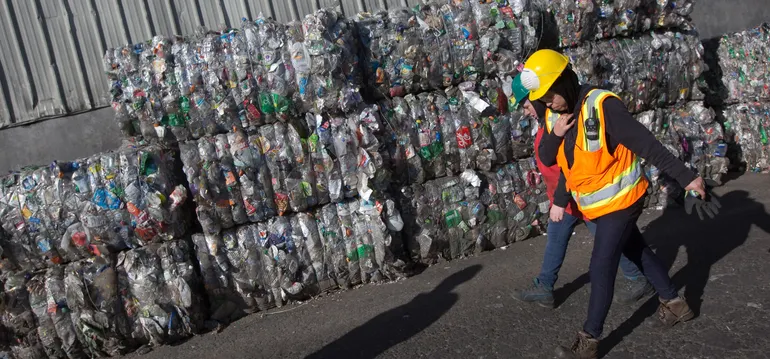
Supply Chain Realities Challenge FMCG Sustainable Packaging Goals
Over the past two years, fast-moving consumer goods companies such as Keurig Dr Pepper, PepsiCo, and Mondelēz International have successively announced targets to cut the use of virgin plastics in packaging over the coming decades, shifting toward more environmentally friendly alternatives like recycled plastics and paper. However, supply chain disruptions caused by the pandemic, limitations in the existing U.S. recycling system, and new variables such as the Russia-Ukraine conflict are posing complex challenges to these timelines. Industry experts point out that commitments were made without a foundation for achieving them, and price and supply fluctuations continue to affect progress. This article explores price volatility in virgin and recycled resins, structural issues in the recycling industry, cost pressures from paper substitute materials, and the far-reaching impact of high energy prices on the packaging industry.