Deep Dive
来自我们记者的行业洞察
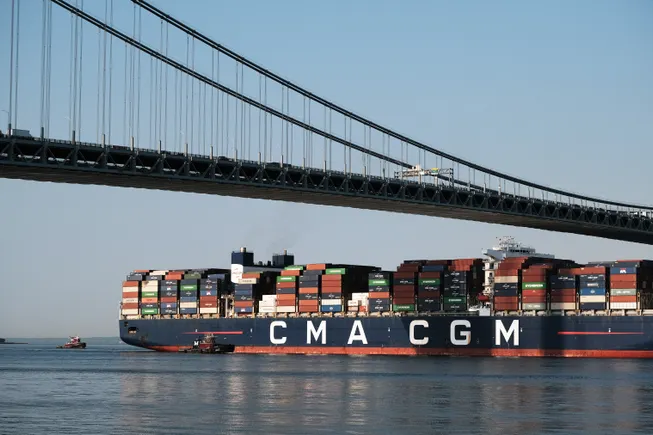
Under the Shadow of Strikes, Cargo Diversion Becomes a Key Strategy in the 2022 Supply Chain Response Playbook
Against the backdrop of unresolved labor negotiations at West Coast ports and the threat of railroad strikes, cargo diversion became an important strategy in supply chain management in 2022. The comparison of throughput between the Port of Los Angeles and the Port of New York-New Jersey, import data from FourKites, and cases of rail freight diversion reveal the scale and impact of the diversion behavior. However, diversion also brings new challenges such as longer transit times, higher costs, and port congestion.
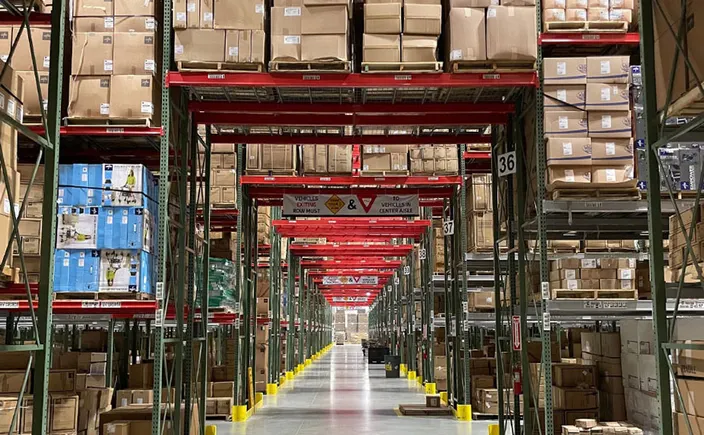
Holiday Inventory Backlog: Retailers Accelerate Clearance to Welcome Peak Season
As the holiday season approaches, retailers face inventory backlog challenges and are taking measures such as price cuts to clear stock, but the outlook remains uncertain.

ESG backlash cannot stop SEC's new climate risk disclosure rules
Despite criticisms of ESG such as "woke capitalism," lawyers and former regulators believe that the SEC's proposed climate risk disclosure rules will not be derailed by the backlash. The rules are expected to be published before January next year, requiring listed companies to disclose carbon emissions and climate risk information, and may retain the strictest compliance requirements. Corporate CFOs need to prepare in advance because compliance costs are high and face legal challenges.
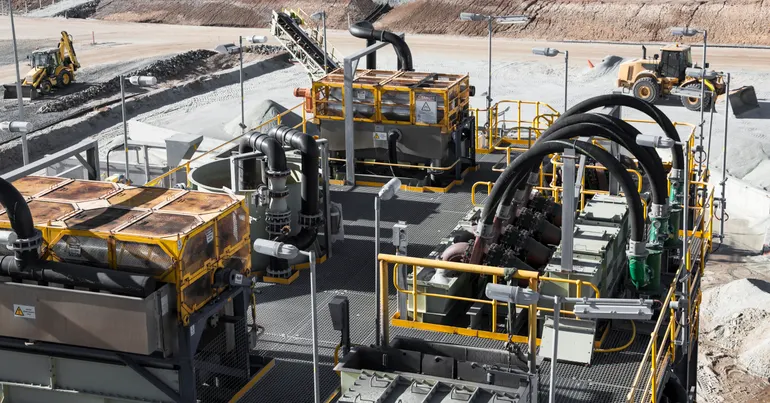
Roadmap for the Transformation of the U.S. Lithium Supply Chain: Strategic Layout from Domestic Mining to Manufacturing Autonomy
To reduce dependence on overseas lithium resources and advance the energy transition, the Biden administration is vigorously supporting the construction of a domestic lithium battery supply chain through policies such as the National Blueprint for Lithium Batteries 2021-2030. However, the United States currently accounts for only about 3.6% of global lithium reserves, and its only domestic lithium mine is located in Nevada. Industry insiders point out that building a complete chain from mining, processing, to manufacturing from scratch is a formidable task, facing multiple challenges including cost, environment, and technology. Meanwhile, the government is attempting to accelerate this process through tax credits, grants, and public-private partnerships, while also exploring supplementary pathways such as recycling and new battery chemistries.
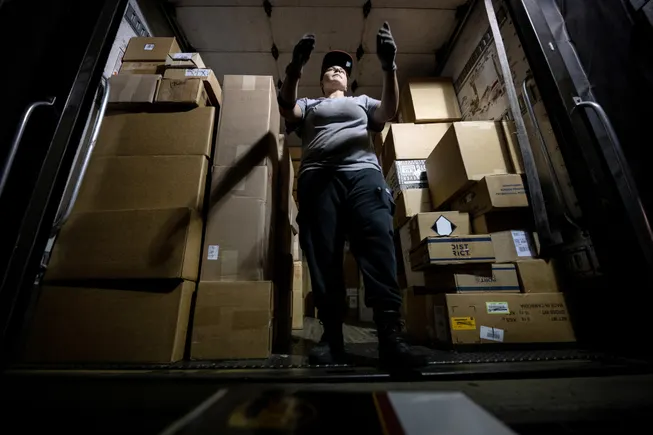
UPS and FedEx Rate Hikes Are Coming: How Can Shippers Prepare?
UPS and FedEx have announced an average rate increase of 6.9%, but actual cost increases may be higher due to factors such as surcharges, distance, and remote area deliveries. Industry experts advise shippers to monitor fuel surcharges, optimize warehouse networks, explore alternative carriers, and seize the opportunity of cooling demand to negotiate more favorable contract terms.
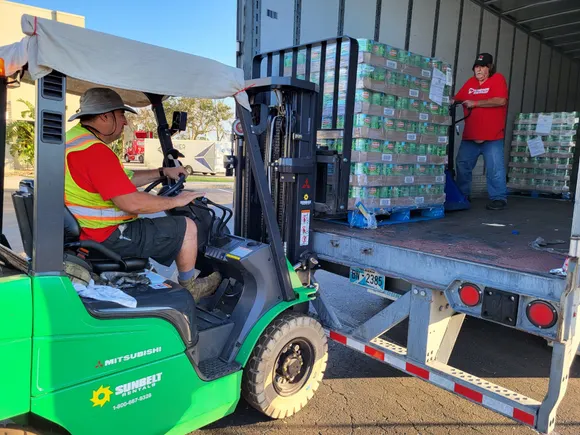
How the Trucking Industry Helped Feed a Million People in Florida After Hurricane Ian
After Hurricane Ian severely hit Florida, Operation BBQ Relief, together with truck drivers and the American Logistics Aid Network, overcame challenges such as road disruptions to set up meal distribution points in Charlotte County, planning to distribute at least one million meals, and had already airlifted approximately twenty thousand meals to isolated areas.
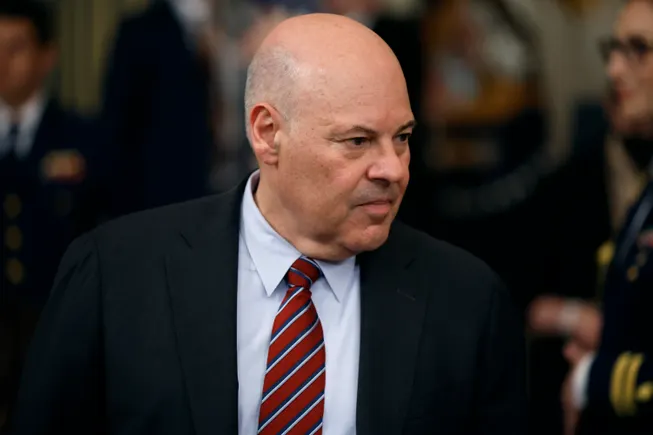
Postmaster General DeJoy Pushes Reform: Can the US Postal Service Compete with FedEx and UPS?
Postmaster General Louis DeJoy is driving a transformation of the agency, aiming to compete with private carriers like FedEx and UPS while achieving financial stability. This article analyzes his reform initiatives, the challenges faced, and the industry outlook.

Under Supply Chain Pressure, FMCG Giants Accelerate Expansion Through M&A
Facing supply chain disruptions and labor shortages, an increasing number of FMCG companies are choosing to rapidly enhance manufacturing capabilities by acquiring existing plants rather than building new capacity. Cases such as Hershey's acquisition of Dot's Pretzels and its contract manufacturer, and Hormel's acquisition of Planters with its factories, demonstrate that controlling production is crucial for long-term brand growth.
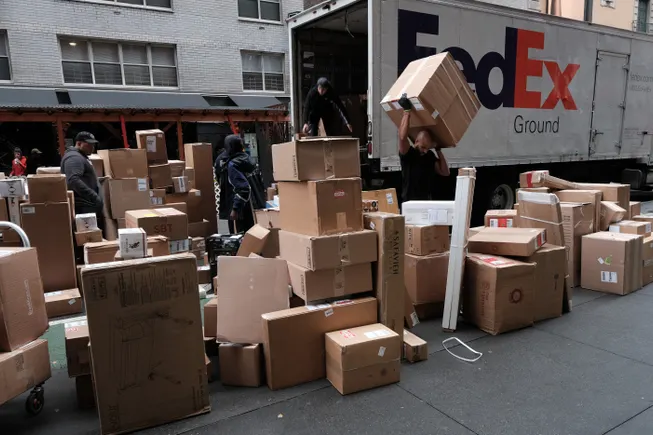
FedEx Ground Network and Contractors Conflict Intensifies: A Game of Survival and Future
Tensions between FedEx Ground and its independent contractors reached a peak in 2022. Contractors accused the company of unfair pay and rising costs, and threatened to halt operations during the peak season. This article delves into the root causes of the conflict, industry impacts, and potential legal consequences.