
UPS Buyout Programs Draw Expert Scrutiny: Service Risks and Labor Tensions in Focus
UPS is implementing voluntary buyout programs for full-time drivers and select operations managers to achieve $3.5 billion in expense reductions this year. Experts see risks to service quality and labor relations, while the Teamsters union urges members to reject the offers. The company faces challenges balancing cost cuts with operational reliability.
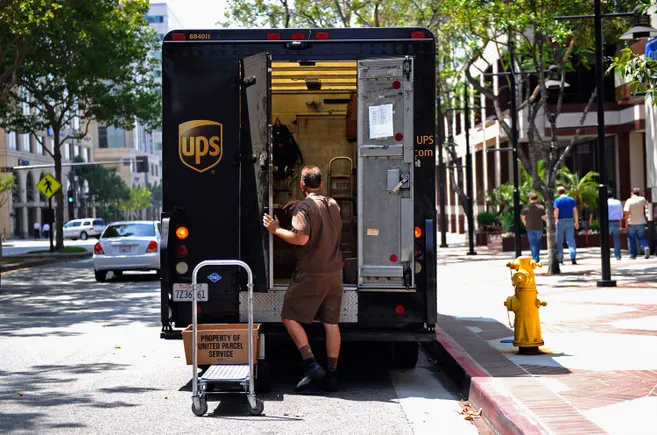
UPS is pursuing employee buyouts to bolster its financial performance, but industry observers caution that the strategy could introduce service reliability concerns and heighten friction with the International Brotherhood of Teamsters union.
The delivery company is currently executing voluntary separation programs for full-time drivers, who are represented by the Teamsters, and select operations managers in the U.S., as part of its goal to achieve $3.5 billion in expense reductions this year.
Driver separations were scheduled to begin Aug. 31, with manager separations starting Sept. 30. The initiative aims to align network staffing with a planned reduction in volume from Amazon, a major customer.
"It's a clear sign that they don't see this volume coming back," said Jeremy Tancredi, a partner in West Monroe’s operations excellence practice and a former UPS industrial engineer.
The buyout incentive for drivers offers $1,800 per year of service, with a minimum payout of $10,000. Experts say this structure is designed to appeal to higher-paid veteran UPS employees, potentially offering a favorable deal for those nearing retirement but less attractive for others, according to Alan Amling, an assistant professor of practice at the University of Tennessee and former VP of corporate strategy for UPS.
This is not UPS's first attempt to reduce its workforce in recent years. In 2024, the company implemented targeted cuts in management and contracted positions as it adjusted to softer demand.
The downsizing has continued into this year, even before the buyouts began. From Q1 to Q2, the number of employees covered by UPS's national contract with the International Brotherhood of Teamsters dropped by 14,000 amid a wave of facility closures. The union's contract covers delivery drivers, package handlers, and other employee groups that power the carrier's network.
Buyout Risks
UPS executives said on a July 29 earnings call that buyout interest among drivers was in line with the company’s expectations, though they did not disclose further details. Meanwhile, the program is putting additional pressure on Teamsters membership, prompting the union to push back and urge members to reject the offer.
"You're selling your soul and selling your brothers and sisters out if you take this buyout," Teamsters General President Sean O’Brien said on his "Better Bad Ideas" podcast last month.
As the program advances, one risk for UPS is potential strain on long-standing customer relationships, according to Tancredi. For example, a new driver may not know that a business prefers deliveries to be made at the back of the building rather than the front.
But operational cracks were already visible before the driver buyouts commenced, O'Brien said. The Teamsters leader argued that the buyout program is difficult for UPS to justify given the "massive overtime problem throughout this whole country," with drivers facing up to 12-hour workdays to complete all deliveries. This issue is leading to longer customer wait times, according to O'Brien.
Hiring more drivers would limit excessive overtime and help the carrier fulfill its national contract obligations to create more full-time job opportunities, he added. The requirement calls on UPS to offer part-time workers the chance to fill at least 22,500 full-time openings.
“You’re selling your soul and selling your brothers and sisters out if you take this buyout.”
— Sean O'Brien, General President, International Brotherhood of Teamsters
In an email to Supply Chain Dive, UPS did not address O’Brien’s overtime remarks but stated it remains committed to providing high levels of service amid its network and staffing adjustments. UPS also said it is on pace to meet or exceed the staffing requirement in its national contract with the Teamsters.
For drivers remaining with the company, UPS may require more overtime to cover service gaps as the busy holiday season approaches, according to Amling. The company can hire seasonal support drivers during peak season if delivery needs are not met by existing workers, per UPS’ contract with the Teamsters.
With UPS expecting Amazon volume to decline over 50% by June 2026, the reported overtime reliance could dissipate. However, if overall demand jumps more than expected in future quarters, delays could become more likely as UPS works to expand capacity, experts said.
"While they are saving money, it's a lot easier to eliminate facilities and jobs in a downturn than it is to add facilities in an upturn and jobs," Amling said.
A Partner in the Overhaul
UPS could turn to the U.S. Postal Service, a longtime partner, to provide last-mile capacity while still reducing delivery costs, according to Mark Waverek, managing partner at PlaidMark Management and Consulting Services.
At the start of the year, the two carriers ended their SurePost delivery arrangement, in which UPS handed off some economy-service packages to the Postal Service. But the two sides are discussing a potential reunion for SurePost — now named Ground Saver — as UPS grapples with unexpected costs from delivering all of that volume in-house.
"The [Teamsters] union did a great job of negotiating for the worker, but unfortunately, the costs are too high to serve the residential market," Waverek said. "So UPS needs an outlet, and they need a partner. And I think the post office would be a great partner.”
Editor's note: This story was first published in our Logistics Weekly newsletter. Sign up here.
