
In 2024, parcel shippers may reduce the number of delivery service providers
Industry experts predict that in 2024, parcel shippers may reduce the number of delivery service providers they use, regional small carriers face consolidation pressure, and FedEx and UPS are competing for market share through discount strategies.
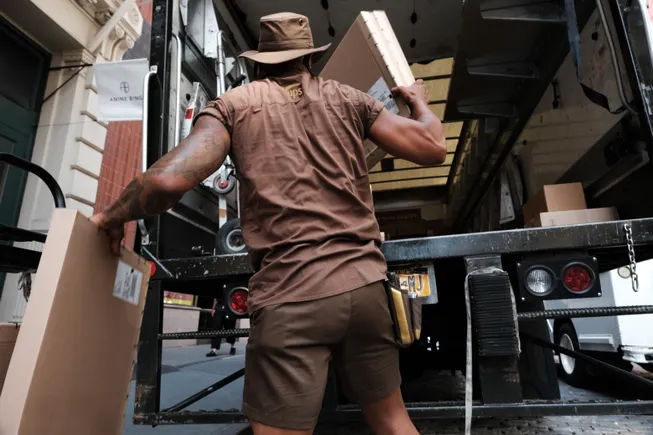
Parcel shippers may be inclined to reduce the number of delivery carriers they use in 2024, according to industry experts who spoke with Supply Chain Dive, contrasting with the widespread rise during the pandemic.carrier diversification strategiesSmaller, regional delivery carriers—those not part of the FedEx, UPS, and U.S. Postal Service systems—are especially vulnerable to potential reductions. Large carriers areoffering shipping discountsto counter declining volumes, and in an environment of uncertain demand, shippers may find it harder to justify spreading their shipments across numerous carriers.
"There could be some consolidation next year," said Andy Whiting, co-founder and CEO of parcel carrier Better Trucks. "For us, that means making sure we have a solid, high-value 'deliver-to-doorstep' network. Customers are comparing us to FedEx and UPS."
Carrier consolidation is already happening. The number of carriers used by shippers spiked during thesummeras businesses prepared for a potential UPS strike. But asstrike concerns eased, diversification levels are falling back like in early 2023. According to data from project44 provided to Supply Chain Dive, the number of carriers per company account has declined for three consecutive months, dropping to 5.74 in December.
Carrier diversification trends lower at year-end
Average number of last-mile carriers used per company account
"At some point, there isn't enough volume to split among five carriers—it's just not enough," said Josh Dinneen, chief commercial officer of parcel carrier OnTrac, in an interview last year.
FedEx and UPS compete for share with discounts
As delivery demand slows, capacity is no longer an issue, meaning carriers must compete more aggressively to attract more volume and revenue into their networks. As a result, giants like FedEx and UPS are offering discounts to capture more market share and attract price-sensitive customers.
In a LinkedIn post earlier this month, Dean Maciuba, managing partner for the U.S. at Crossroads Parcel Consulting, mentioned that FedEx offered discounts to merchants with little or no shipping revenue in their accounts. The offer claimed that eligible shippers could take advantage of these discounts through FedEx's small business discount program.

Meanwhile, UPS is working towin back volume lost during the intense contract negotiations with the International Brotherhood of Teamsters over the summer。Rent the Runwayis one customer that took advantage of this opportunity to lock in better rates, in exchange for UPS handling the majority of its shipping needs.
"We have several clients who were major UPS customers that switched away, and now UPS is eager to win that business back," said Stephanie Martin, CEO of Navigo Consulting Group, a transportation spending consultancy.
During the negotiations, shippers diverted about 1.5 million packages per day to FedEx, the U.S. Postal Service, and other carriers. As ofOctober, UPS had regained about 40% of that volume. CEO Carol Tomé said on an earnings call that half of that returning volume came from FedEx.
However, FedEx Chief Customer Officer Brie Carere insisted in December that the companystill retained the 400,000 packages it gained from UPS during the uncertain period, meaning UPS's regained volume could only come from the U.S. Postal Service or smaller carriers.
In any case, both delivery giants benefited from their efforts to capture more packages during the busy Black Friday shipping week. According todata from Shipium, during that period, they took a larger share of volume from regional delivery carriers than in the same period last year.
Alternative carriers still have advantages
Although the discount strategies of FedEx and UPS pose challenges for smaller delivery carriers seeking to expand market share, experts say shippers will not completely abandon alternative carriers. After all, thanks tothe emergence of third-party tools in recent years, it has become easier for shippers to diversify their carrier base. Additionally, regional carriers, while adapting to UPS and FedEx pricing strategies, have alsoexpanded their own service offerings。
"We see regional carriers offering very competitive rates, and we also see improvements in service quality," Martin said.
Martin noted that delivery needs and carrier preferences vary by customer, so there is no magic number for how many carriers a company should use. However, she added that consumer-facing retailers often lean more toward a multi-carrier model than shippers in other industries. "They want the ability to flex volume and use different carriers," Martin said.
For shippers seeking diversification, service reliability is the top concern, followed by ease of use and implementation. Better Trucks' Whiting said they want a delivery service that looks and feels comparable to UPS and FedEx, while avoiding the complexity of adding more carriers. "They don't want to need a huge logistics team internally to figure out how to allocate volume and optimize spend," he said. "They basically want a 'one-click' simple solution."

How FedEx and UPS competitors are adjusting
Executives at smaller parcel carriers told Supply Chain Dive they are focused on maintaining high service levels in existing markets to keep current customers satisfied. Compared topast years, expansion in 2024 will take a more cautious approach.
Steven Bergan, president of GLS U.S., said that if shippers do reduce their carrier mix this year, smaller delivery carriers might pivot to specialized delivery services and expand their offerings when the demand environment improves. One strategy to drive growth is partnering with other regional carriers. GLS and Better Trucksestablished a partnership last year, allowing customers of both to use each other's carrier coverage areas for deliveries. GLS's network focuses on the western U.S. market, while Better Trucks provides delivery services in several regions, including the Midwest and much of Texas.
This collaboration helps both companies offer competitive services to customers looking to enter new markets, countering national carriers' efforts to capture more volume. "I expect there will be winners and losers, and we believe the network we are building will be one of the winners," Whiting said.