
Risk

UPS Strike Risk Rises: How Shippers Can Brace for Potential Disruption
With the UPS-Teamsters contract expiring July 31, the threat of an Aug. 1 strike grows. Logistics experts urge shippers to diversify carriers and prepare contingency plans, as negotiations stall over pay and benefits.
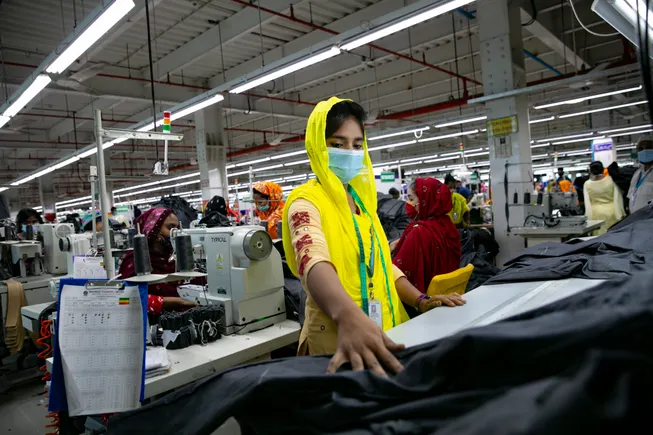
Three Years Later: How COVID-19 Exposed the Vulnerability of Suppliers and Workers Under the Power of Large Buyers
Three years ago, the COVID-19 pandemic led to the closure of retail stores in the United States and manufacturing factories worldwide, with major brands canceling billions of dollars in orders, causing immense losses for suppliers and workers. Research shows that workers faced unemployment, unpaid wages, debt, and hunger, while buyer behavior has not fundamentally improved to this day.

2023 Outlook: How FMCG Companies Can Navigate Persistent Market Volatility
Supply chain woes, inflation, the ongoing war in Ukraine, and soaring input costs are testing the resilience of FMCG industry executives. Companies such as Vita Coco and Del Monte Foods have implemented measures including price increases, automation investments, and portfolio adjustments, and anticipate market volatility in 2023 to be on par with the past two years.
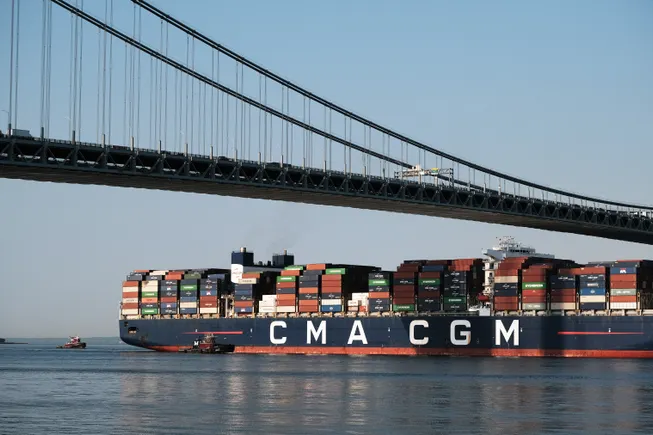
Amid Strike Concerns, Cargo Diversion Becomes a Key Link in 2022 Supply Chain Strategy
In 2022, the U.S. supply chain faces dual uncertainties from port and railroad labor negotiations. Cargo volumes at West Coast ports decline, while the share of East Coast ports rises, as shippers adopt cargo diversion strategies to hedge against strike risks. Yet this strategy is not without costs; diversion leads to longer delivery times, higher logistics costs, and may trigger port congestion. Experts expect cargo diversion to become a routine option in shippers' future supply chain planning.
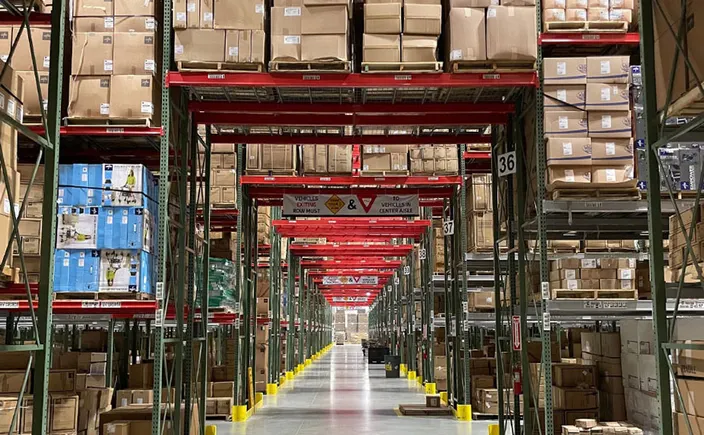
Holiday Inventory 'Hangover': Retailers Accelerate Clearance to Prepare for Peak Season
At the end of September, Nike announced 'decisive actions' on inventory, shaking the industry. Data shows that retail inventory in the second quarter of 2022 surged 31% year-over-year, hitting a ten-year high. Companies such as Target, Adidas, and Hasbro have followed suit with price cuts to clear stock. Although retailers hope to 'clean house' before the holiday season, analysts expect inventory levels to only 'improve slightly,' with margin pressure extending into 2023.

ESG opposition unlikely to stop SEC's new climate risk disclosure rules
Despite political criticism of ESG as "woke capitalism," lawyers and former regulators expect the SEC to still issue climate risk disclosure rules by January next year, requiring listed companies to detail carbon emissions and climate risks, and may retain the most stringent compliance requirements.
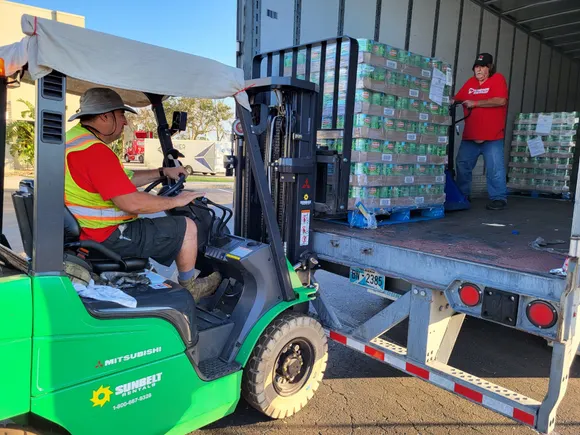
Trucking industry helps feed millions in Florida after Hurricane Ian
After Hurricane Ian made landfall in Florida, volunteers such as truck driver Joe Myerly, through organizations like Operation BBQ Relief, overcame road obstacles to transport food and supplies, supporting a large-scale meal effort. The American Logistics Aid Network and others provided transportation and refrigerated trailers, helping the nonprofit achieve a supply of 60,000 to 80,000 meals per day, with plans to eventually reach 100,000 daily, for a total goal of one million meals.

Under Supply Chain Pressure, FMCG Giants Expand Manufacturing Capacity Through M&A
Amid ongoing supply chain turbulence, an increasing number of FMCG companies are choosing to address challenges by acquiring existing plants rather than building new capacity. Cases such as Hershey's acquisition of Dot's Homestyle Pretzels and Hormel's acquisition of Planters show that securing manufacturing capability has become a core consideration in deals. This article analyzes the drivers, risks, and industry trends of capacity acquisition through M&A.
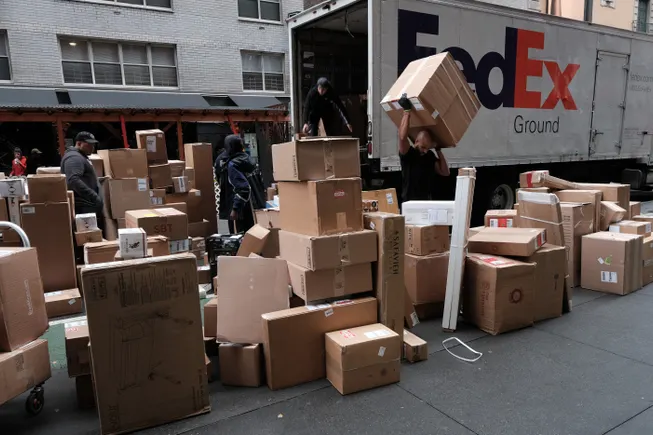
FedEx Ground Network and Contractors Conflict Intensifies: A Game of Survival and Model
As the surge in package demand brought by the pandemic fades, the long-standing conflict between FedEx Ground and its 6,000 independent contractors erupted in 2022. Contractors represented by Spencer Patton publicly demanded higher compensation, the elimination of Sunday deliveries, and restrictions on temporary changes, with some even threatening work stoppages during peak season. Analysts point out that residential delivery compensation lower than commercial delivery, rising costs, and declining demand are eroding contractor profits, while the legal dispute over franchise rights may become the next focal point.

Can the retail industry bridge the supply chain emissions gap?
The greatest difficulty in retail decarbonization lies in Scope 3 emissions, which are indirect emissions across the value chain's upstream and downstream activities, constituting the vast majority of its carbon footprint. Despite data collection challenges and slow industry progress, experts emphasize the need for immediate action and highlight the importance of policy support and supply chain collaboration.