
Technology
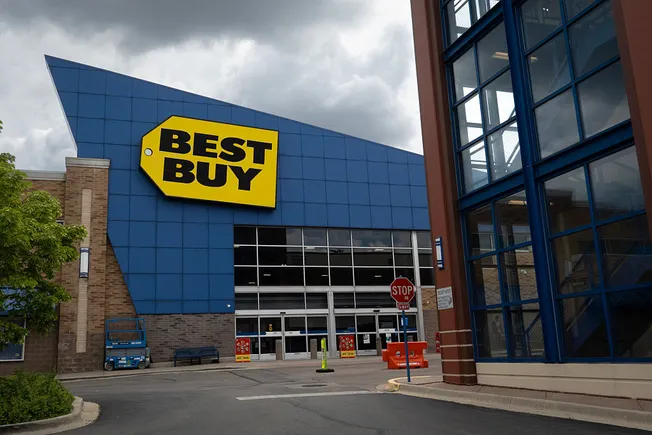
Best Buy Deploys Solar Field at California Distribution Center to Enhance Operational Sustainability
Best Buy has activated a solar field at its Dinuba, California distribution center, generating approximately 5.87 million kilowatt-hours annually, enough to power 559 homes, making it the first distribution center in its network equipped with a solar field. This initiative is part of the company's 2040 net-zero emissions goal, while the company also reduces its supply chain carbon footprint through measures such as the 'Get There Greener' program, cardboard balers, and polystyrene densifiers.
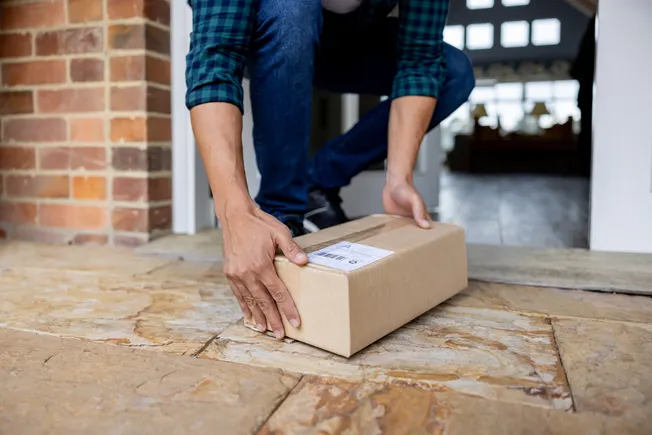
Can AI Gains Give Alternative Delivery Providers an Edge?
As FedEx and UPS retreat from lower-yielding volume, alternative carriers like SpeedX, UniUni, and Veho are deploying AI tools—from chatbots to delivery photo verification and routing optimization—to gain a competitive edge. Experts say AI helps level the playing field, but human drivers remain essential.

One Year In: How Medtech Companies Are Navigating Tariff Pressures
One year after the Trump administration's 'Liberation Day' tariffs, medtech companies are absorbing costs through efficiency drives rather than price hikes or R&D cuts. With new tariff mechanisms replacing invalidated ones, firms face similar financial impacts, while targeted supply chain shifts and legal monitoring define their response.
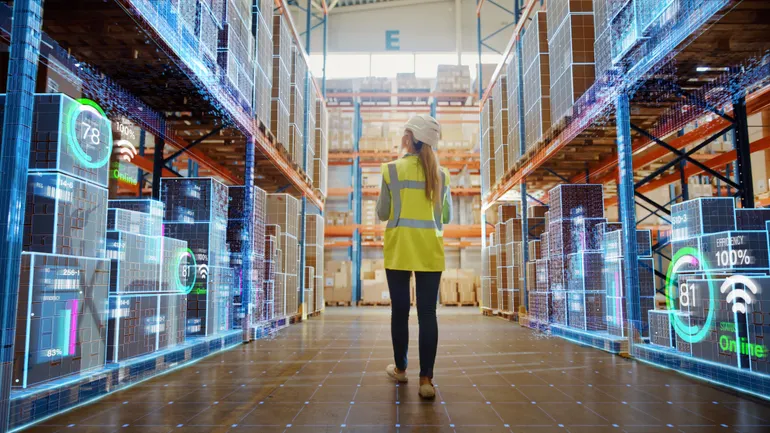
AI Opens New Frontier in Supply Chain Planning
Supply chain planners are increasingly adopting AI and machine learning to refine demand forecasts and inventory management after pandemic and inflation disruptions. However, data quality, historical trends, and budget constraints still pose significant hurdles.

Apparel suppliers fall out of fashion as tech investment lags
Aging family-run apparel factories in California resist digital transformation, facing high costs, regulation, and a shrinking workforce, even as brands push for supply chain innovation.
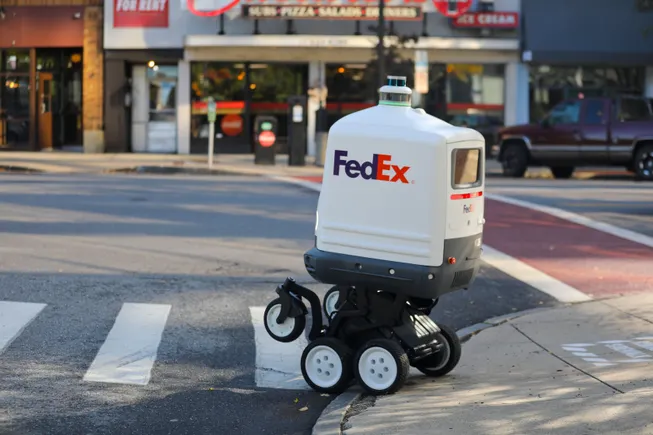
Sidewalk Delivery Robots: FedEx and Amazon Retreat, but Industry Insiders See a Path Forward
FedEx and Amazon have ended their sidewalk delivery robot tests, but the sector's remaining players argue that labor shortages, inflation, and rising fuel costs create tailwinds for adoption. However, executives acknowledge that scaling requires addressing funding gaps, diversifying beyond food delivery, and navigating regulatory and infrastructure constraints.