
Trump proposes halving aluminum tariffs in exchange for investment commitments in the U.S.
U.S. President Trump signed a proclamation to halve the annual aluminum import tariff for companies that commit to investing in aluminum production in the U.S. The plan is to be implemented by Commerce Secretary Howard Lutnick, with companies required to begin construction by January 20, 2029. This move continues similar incentive policies previously offered to steel and aluminum producers in Canada and Mexico.
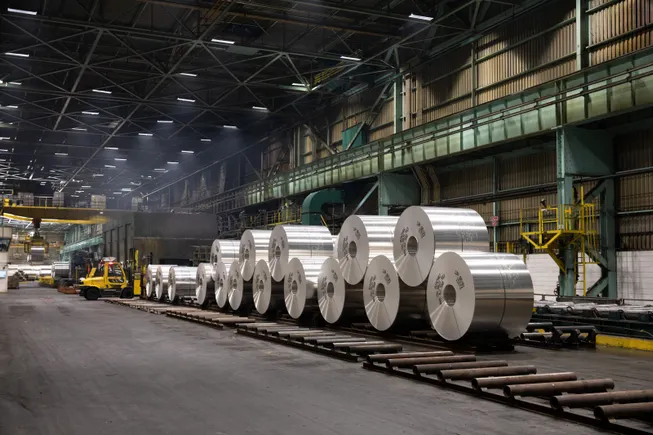
More businesses may soon be eligible for relief from U.S. aluminum import tariffs under a proclamation signed by President Donald Trump on Monday.
The proclamation lays out a specific path to halve tariffs: companies can receive a 50% tariff reduction on a certain annual volume of aluminum imports, provided they commit to investing in U.S. aluminum production. Currently, most aluminum imports face a 50% tariff.
To encourage the return of aluminum production, Commerce Secretary Howard Lutnick will establish a program for companies to apply for reduced tariff rates. Under the proclamation, companies must submit plans to build, renovate, or expand aluminum facilities in the U.S. and commit to starting construction by January 20, 2029.
The Commerce Department may also set additional information and analysis requirements and evaluate other factors before approval, including the commercial viability of the plan and expected annual output. Once a company is approved, the tariff burden on its annual aluminum imports matching expected production will be halved.
Trump did not disclose when the program would take effect or what other information would be required for approval. The White House did not immediately respond to requests for further information.
This latest action by the Trump administration builds on a similar process the Commerce Department established earlier this year for Canadian and Mexican steel and aluminum producers. That program halved metal tariffs in exchange for commitments to invest in domestic production.
Unlike Monday's announcement, the previous program required companies to be suppliers to U.S. manufacturers and goods to comply with the USMCA. Applicants also had to submit information such as sources of primary raw materials and expected project milestones, and were subject to intensive record-keeping requirements to demonstrate ongoing compliance.