
Freight

Network flexibility: The key to maintaining service in volatile markets
In volatile markets, shippers face the dual challenge of maintaining service and controlling costs. This article points out that simply increasing the number of carriers does not guarantee reliable capacity; the key lies in the optionality provided by network scale, mode-agnostic scheduling capabilities, and network-level collaborative execution. Uber Freight's case shows that through a multi-shipper network and intelligent systems, companies can increase routing guide compliance to 97% during disruptions and achieve 96% on-time delivery during peak seasons.
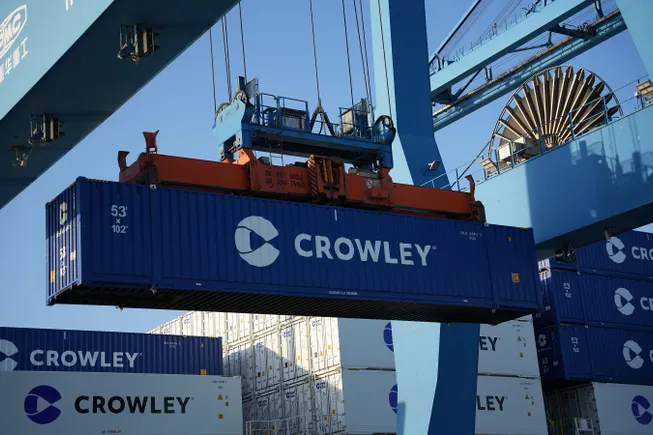
Crowley launches Central America-Port Houston ocean service
Crowley has announced a new direct weekly shipping service linking Central America (Guatemala and Honduras) with Port Houston in Texas. The service aims to meet rising demand for fresh produce and other goods, with the first vessel scheduled to arrive in Houston on Sept. 10.

The future of freight audit isn’t finding more errors, it’s preventing them
The traditional metrics for freight audit are the number of errors detected and the amount recovered, but the industry is shifting toward a more forward-looking question: why errors occur and how to avoid their recurrence. By integrating multi-source data such as EDI and APIs, and leveraging AI and machine learning, audit can evolve from transaction control to a preventive mechanism, ultimately forming transportation financial intelligence to support better decision-making.
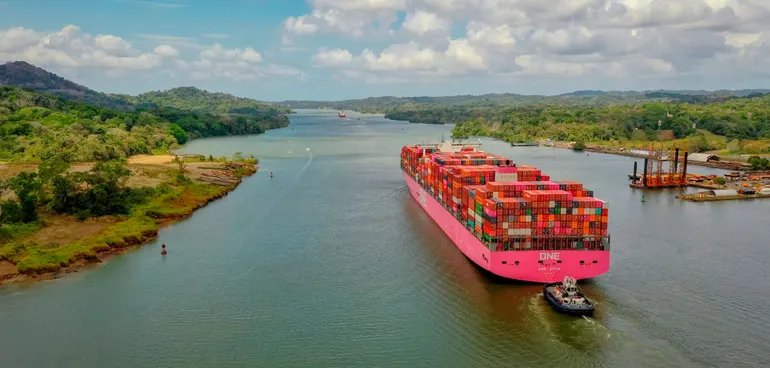
Panama Canal to trim daily shipping slots due to El Niño
The Panama Canal Authority issued a shipping advisory on August 20, announcing that due to drought issues caused by El Niño, it will reduce the daily transit slots for the Neopanamax locks from the usual 10 to 9 starting September 3, and for the Panamax locks from the usual 26 to 25 first, then further to 23 on September 15. Meanwhile, the 48-foot draft restriction originally scheduled to take effect on August 26 has been postponed to September 2, and the 47.5-foot draft restriction originally scheduled for September 3 has been postponed to October 1. The Authority stated that precipitation in the watershed during the current hydrological year (May to August) is 34% below the historical average, and El Niño in 2026-2027 may further reduce rainfall.
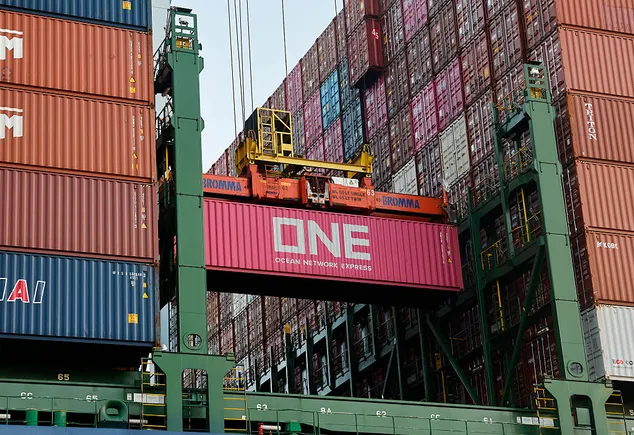
Port of Los Angeles preps for cargo bump as shippers navigate global risks
Port of Los Angeles Executive Director Gene Seroka said at a media briefing on Tuesday that the port expects cargo volumes to grow 5% year-over-year over the next 6 to 8 months due to ongoing Red Sea conflicts and the implementation of Panama Canal draft restrictions. Although Seroka emphasized that this growth is not a commitment, the port has prepared through communication with trucking associations, terminal operators, shipping lines, and the International Longshore and Warehouse Union.
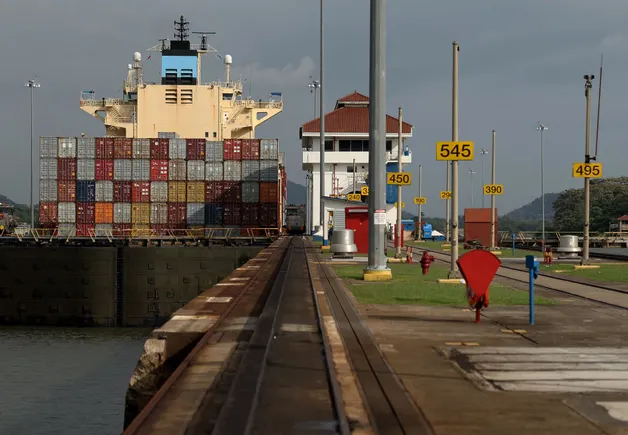
Ocean carriers up fees in response to ongoing Panama Canal draft restrictions
In response to potential drought impacts, the Panama Canal Authority recently announced the fourth and fifth rounds of draft restriction measures. As a result, multiple shipping companies including MSC, CMA CGM, Hapag-Lloyd, and ONE have announced or updated related surcharge standards, covering routes from Asia to the US East Coast and the Gulf of Mexico.
Blank sailings curb ocean capacity gains
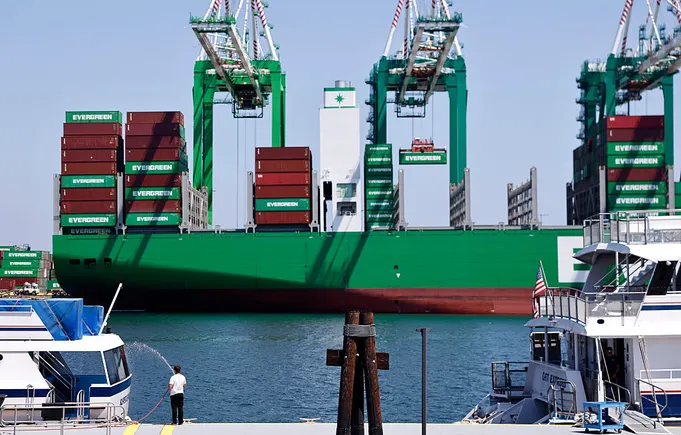
According to Sea-Intelligence's Blank Sailings Tracker report released on July 24, despite carriers continuously injecting new capacity into the market, the number of blank sailings in the first half of 2026 was up to 4.5 times higher than the same period in 2019, with actual available capacity growth significantly lagging behind nominal capacity. On the Asia to U.S. East Coast route, capacity grew by 46% while blank sailings increased by 215%, and on the U.S. West Coast route, the two metrics were 16% and 62%, respectively. Industry experts point out that the gap between physical capacity and available capacity is widening, and shippers need to readjust their supply chain expectations.
BNSF adds faster intermodal service in the Southwest
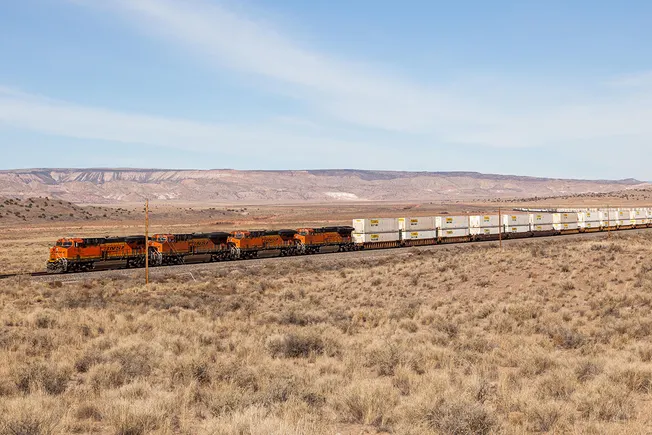
BNSF Railway announced on August 10 that it is launching a faster intermodal service from Phoenix to Dallas-Fort Worth, with transit times exceeding three days, operating six days a week. This move aims to address domestic peak season capacity demand and paves the way for the Logistics Park Phoenix facility, which is set to open in 2027.
Muted air cargo peak season activity signals weaker H2
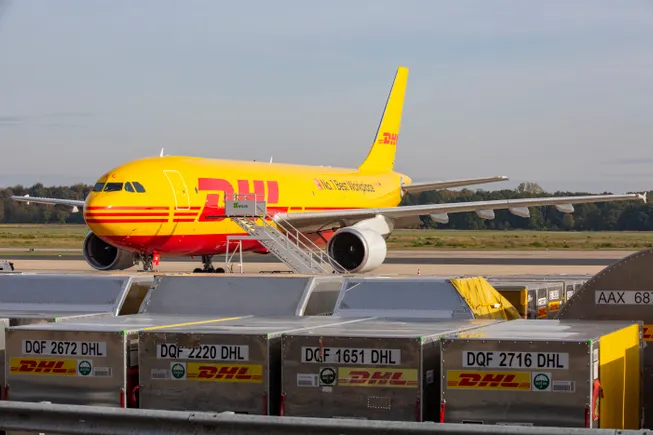
According to an Aug. 6 report from Xeneta, air cargo rates are softening and peak season activity shows little sign of picking up, signaling a weaker market outlook for the second half of 2026. Spot rates increased 28% year over year in July to $3.12 per kilogram, but declined 6% month over month. Chief Airfreight Officer Niall van de Wouw noted that only one shipper conversation mentioned peak season charters, reflecting lower expectations for the coming months.
Asia to US East Coast ocean rates rise to new high
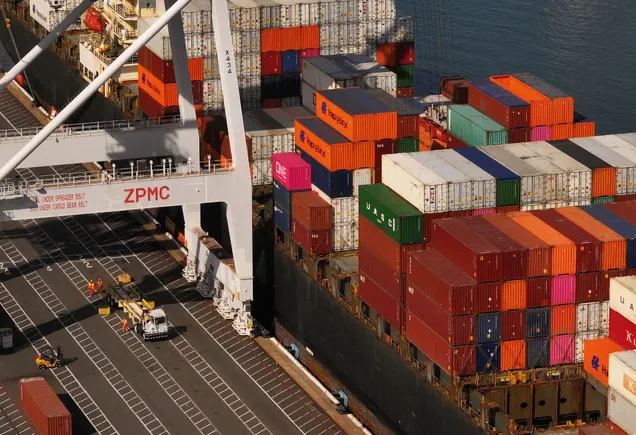
Freightos data shows that spot rates on the Asia-to-US East Coast route hit a new high of $9,144 per FEU this week, up 1% week-over-week; West Coast route rates rose 11% week-over-week to $6,826. Despite the early start of the peak season, transpacific rates diverged from Asia-Europe routes, and the industry was surprised by the resilience of rates.