
Deep Dive
来自我们记者的行业洞察
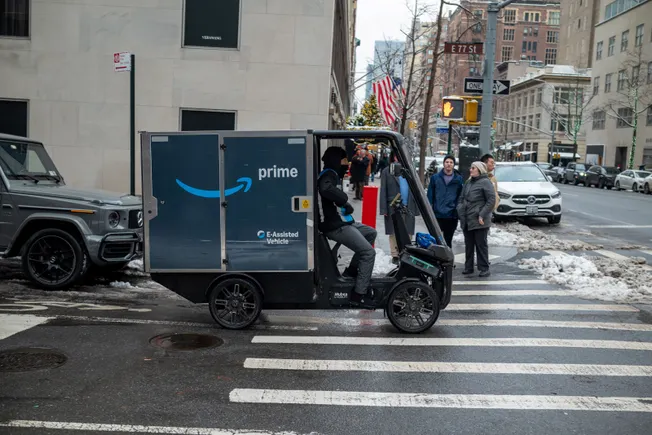
How a New York City bill could shake up Amazon, FedEx delivery operations
A bill in New York City aimed at restricting third-party delivery models—the Delivery Protection Act—is drawing widespread attention in the logistics industry. The act would require large last-mile warehousing and delivery facilities to directly hire workers. If passed, it could raise delivery costs, prompt businesses to move operations outside the city, and have far-reaching effects on the operations of companies including Amazon, FedEx, and even DoorDash.
BJ’s Wholesale Club to cut SKUs by 20%
BJ's Wholesale Club plans to reduce SKU count by approximately 20% over the next two years, from an average of about 7,500 to 6,000-6,500. President and CEO Robert Eddy revealed during the August 21 earnings call that some categories have already completed reductions in the second quarter with initial results visible, with the next round of adjustments scheduled for September and around year-end. The company also stated it will balance sales and profits by reducing duplicate items, optimizing categories such as beverages, and introducing new products and white space categories.
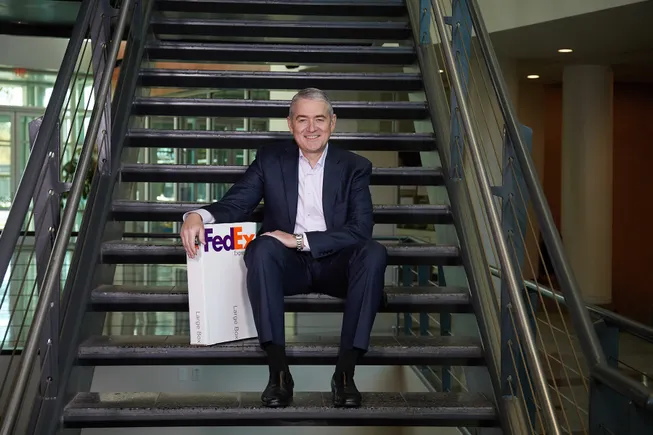
FedEx’s healthcare leader outlines next steps in sector growth plan
FedEx continues to intensify its focus on healthcare logistics, with senior executive Nick Gennari leading the newly formed FedEx Life Sciences division to counter competition from rivals like UPS. Gennari emphasizes that a healthcare-focused team structure, cold chain capabilities, and FedEx Surround technology are key differentiators. The company plans to expand cold chain facilities into secondary markets and targets the pharmaceutical sector as the next growth priority, which accounts for nearly half of the $80 billion addressable market.

Canada to install retaliatory tariffs of up to 50% on US imports
Canada confirmed retaliatory tariffs of up to 50% on US goods, effective Sept. 8, targeting steel, dairy, appliances, and more. The finance department later removed seafood from the list, citing industry feedback, while a $7.5 billion support package was announced.

Trump vows 50% tariffs on Canada cars, trucks, auto parts, steel
U.S. President Trump announced via social media on Monday that he will impose 50% tariffs on cars, trucks, auto parts, and steel imported from Canada, effective January 1. This follows the breakdown of U.S.-Canada trade negotiations last Friday, with Canadian Prime Minister Carney vowing to retaliate in kind. The White House has not yet issued a formal tariff order, and the integration of the new tariffs with existing Section 232 provisions and the USMCA remains unclear.

Trump’s 50% tariff on many Canada imports in effect as talks stall
The United States and Canada failed to reach an agreement on Friday to avoid the 50% tariff promised by President Trump, further deteriorating bilateral trade relations. Canadian Prime Minister Carney announced the suspension of negotiations and instructed negotiators to return to Ottawa. The US side accused Canada of making new demands and reneging on commitments. The 50% tariff has now taken effect, and Canada plans to implement reciprocal retaliation measures on September 8.

Walmart expands 30-minute express delivery to 38 US markets, competing for consumers with speed
Walmart has expanded its 30-minute express delivery service to 38 US markets, adding cities such as Nashville and Omaha. Since its launch in May, the service has covered more areas. The company stated that fast delivery has driven a 48% increase in GMV, and the proportion of paid fast delivery orders has reached an all-time high.
Starbucks Advances 24-Hour Inventory Turnover, Aiming for 'Never Out of Stock'
During its July 29 earnings call, Starbucks disclosed that it is testing a 24-hour operating model and expanding daily deliveries, with the goal of building a pull-based supply chain that completes inventory replenishment within 24 hours to ensure 'never out of stock.' CEO Brian Niccol noted that this move will reduce back-of-house space and achieve 'right inventory, right place, right time.' Previously, Starbucks abandoned a computer vision inventory counting system due to employee feedback calling it 'unreliable,' and has already cut 30% of its SKUs to simplify the menu.

Can AI gains give alternative delivery providers an edge?
As the barrier to adopting artificial intelligence lowers, emerging courier service providers are leveraging tools such as AI chatbots, image verification, and intelligent routing to improve service quality and operational efficiency, aiming to capture a larger share in a highly competitive market.

Supreme Court decision raises stakes for broker hiring practices
On May 14, the U.S. Supreme Court unanimously ruled that freight brokers no longer enjoy preemption defense under the Federal Aviation Administration Authorization Act in negligent hiring lawsuits. The ruling stems from the Montgomery v. Caribe Transport II case, involving a severe accident in 2017 that led to an amputation. Industry experts point out that this move will drive up insurance costs for brokers (potentially by 3 to 5 times), accelerate the exit of small carriers, and benefit large carriers and brokers with ample capital and good compliance records. The case will be remanded to the Seventh Circuit Court of Appeals for retrial, and the full legal implications may take years to materialize.