
Deep Dive
来自我们记者的行业洞察
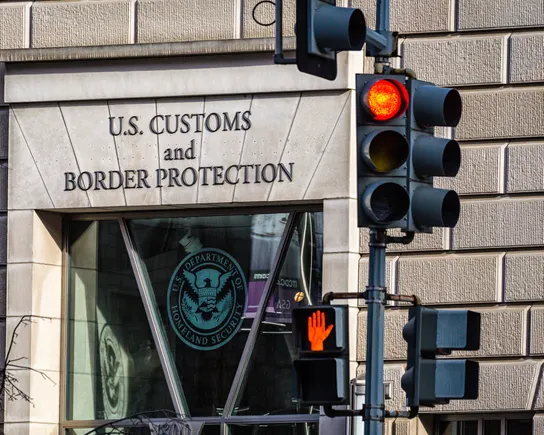
CFOs face tricky tariff refund questions as process gains steam
The U.S. federal government's tariff refund process is progressing faster than expected, and CFOs are facing accounting, tax, and legal issues on how to handle the refund amounts.
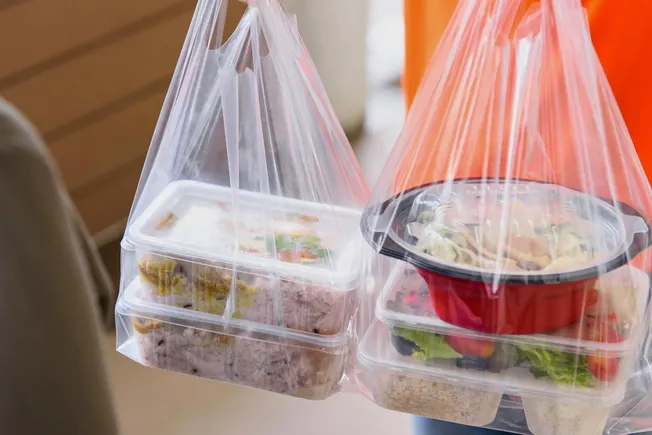
Plastic packaging suppliers raise red flags over Iran war impact
The Iran war has lasted 11 weeks, significantly impacting the plastic packaging industry: resin prices have surged and supply chains are disrupted. Experts note that Asian and European markets are particularly affected, while North America is relatively milder, but the global impact is far-reaching. Many companies have raised prices in response, and the industry expects recovery to take months or even longer.
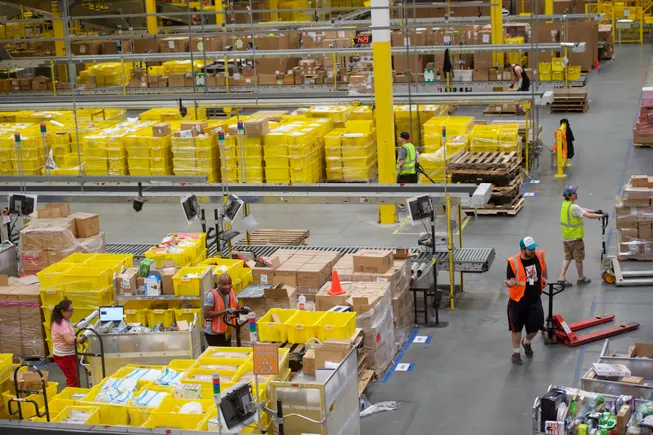
Is Amazon Supply Chain Services already a logistics heavyweight?
Amazon announced the launch of Amazon Supply Chain Services (ASCS), opening its freight, parcel delivery, and fulfillment network to all businesses. Industry experts believe that while this move will not disrupt existing logistics giants like FedEx and UPS in the short term, leveraging its vast infrastructure and one-stop service bundling, Amazon will continue to expand its market share over the next three years, posing a direct threat to small and medium-sized carriers that compete primarily on price.
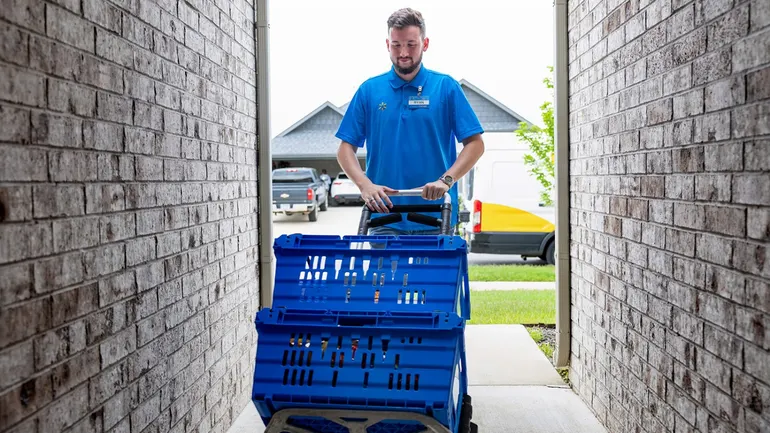
Why more retailers are offering same-day delivery
In 2026, same-day delivery services have significantly expanded in the retail sector, with FedEx, Amazon, and Sam's Club among those launching or upgrading related offerings. Industry experts point to rising consumer demand for precise, reliable delivery and the emergence of non-store delivery models as key factors driving this trend. However, additional fees and store operational pressures remain obstacles that retailers must overcome.

One year in: How medtech companies are coping with tariff challenges
The Trump administration's tariff policies targeting major trading partners have been in place for a year, and the medical device industry continues to face pressure. Unlike the pharmaceutical sector, which has made large-scale investments in U.S. manufacturing plants, medical device companies—due to complex supply chains and lengthy certification cycles—have more often adopted strategies such as cost reduction and supplier diversification. Industry consultants and analysts note that tariffs have a significant impact on profitability, but companies prioritize protecting R&D and avoid passing costs on to hospitals. As policy shifts from IEEPA to Section 122 and Section 301 investigations, companies are responding through tariff modeling and seeking exemptions, while also watching for new uncertainties that Section 232 investigations may bring.
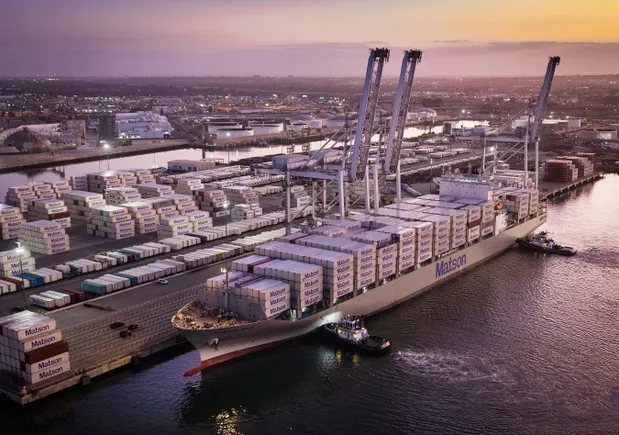
Tariff refund process still unclear for many companies
More than a month has passed since the U.S. Supreme Court ruled most tariffs imposed by the Trump administration under IEEPA invalid, yet the tariff refund process remains unclear. Among over 300,000 affected companies, only a few have filed lawsuits, with most waiting for the launch of CBP's new portal CAPE or adopting a wait-and-see approach. Lawyers point out that refunds may trigger chain reactions such as downstream supply chain claims and class-action lawsuits. A KPMG survey shows 62% of companies expect to receive refunds, but the specific mechanism remains uncertain.
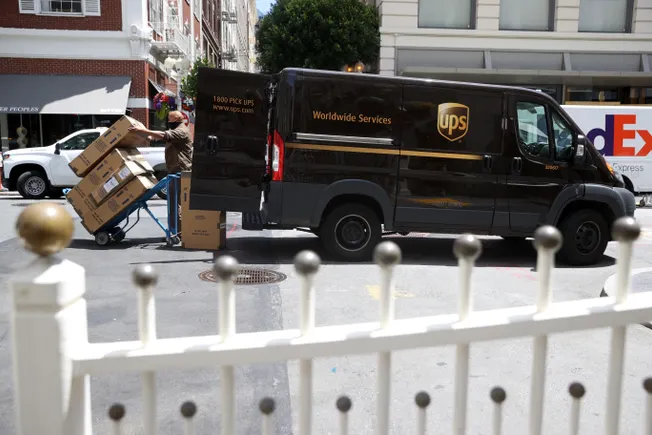
How FedEx, UPS shippers can limit fuel surcharge pressures
Affected by the situation in Iran, fuel costs have risen, prompting express carriers such as FedEx and UPS to increase fuel surcharges starting in March, while the United States Postal Service also plans a temporary 8% price increase for certain parcel services effective April 26. Experts note that shippers can offset fee increases by negotiating fuel discounts, reducing other logistics costs, adjusting transportation modes, or turning to regional alternative carriers.

3 ways FedEx, UPS competitors are leveling up in 2026
In 2026, competitors of FedEx and UPS are vying for market share by launching new features, expanding delivery coverage, and improving service quality. Based on interviews at the Manifest 2026 conference, this article outlines the specific initiatives of companies such as Veho, UniUni, and Better Trucks.
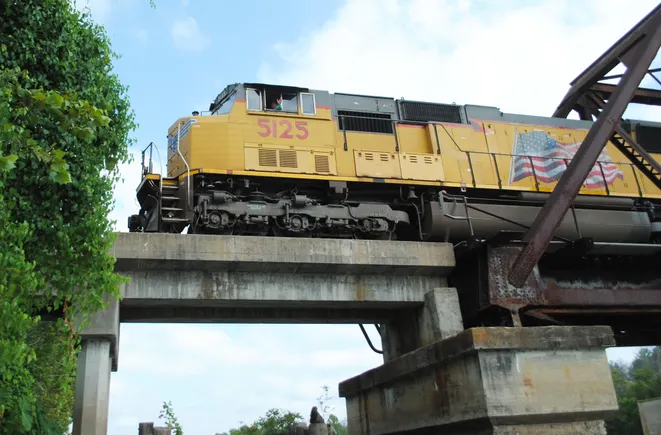
How a combined UP-NS railroad would alter market dynamics
Union Pacific plans to acquire Norfolk Southern, and if approved, it would form a 52,000-mile transcontinental network, raising competition concerns. The Surface Transportation Board has rejected the initial application, and the railroad companies plan to resubmit by the end of June. This article outlines scale data, industry reactions, and executive viewpoints.
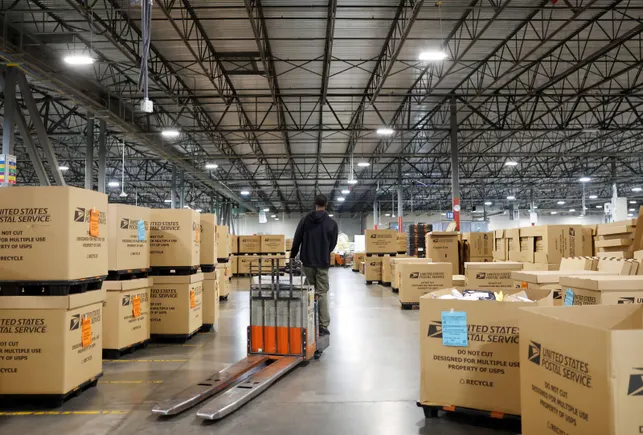
Top supply chain risks and trends to follow in 2026
After the dramatic fluctuations caused by tariffs, the supply chain in 2026 is unlikely to return to calm. Trade policy uncertainty persists, supplies of critical materials such as semiconductors and beef are constrained, and operational cost pressures coexist with logistics reliability issues. Supply chain leaders must maintain resilience under multiple pressures.